
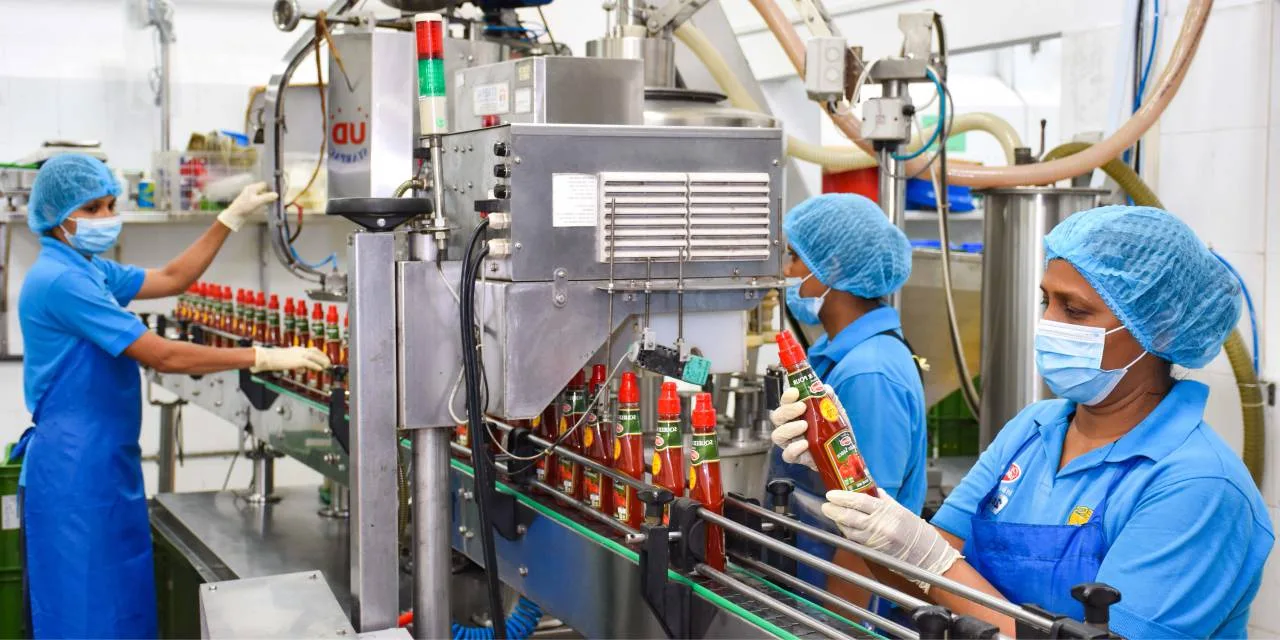
A TeamLease RegTech report highlights how rising compliance costs, overlapping regulations and frequent policy changes are increasing operational pressure on India’s food processing MSMEs.
May, 2026: India’s food processing industry, largely driven by micro, small and medium enterprises (MSMEs), is facing growing challenges due to rising compliance costs, overlapping regulations and frequent policy changes, according to a report by TeamLease RegTech.
The report highlights that food processing businesses operate within a complex regulatory ecosystem involving central, state and local authorities, making compliance an ongoing and resource-intensive process. A typical mid-sized food processing company operating across multiple states must comply with more than 3,285 unique regulatory obligations, translating into nearly 11,554 annual compliance actions when filing frequencies are considered.
These obligations span food safety, labour welfare, taxation, packaging standards, environmental protection and several other regulatory areas. Labour laws alone account for nearly half of the total compliance burden, significantly increasing operational complexity for businesses.
The report further noted that around 29% of these compliance requirements carry criminal provisions, including imprisonment for procedural violations, exposing companies to substantial legal risks even in cases of minor non-compliance.
Adding to the challenge, the sector witnessed over 130 regulatory changes during the past year, making it increasingly difficult for businesses, – particularly MSMEs – to keep pace with evolving requirements. Many smaller enterprises lack dedicated legal, regulatory or quality assurance teams capable of monitoring and implementing these frequent changes in real time.
ALSO READ: Food Safety Failures in India: Regulatory Gaps, Adulteration Trends, and the Way Forward
ALSO READ: Sustainability Challenges for Food Industry: From Supply Chains to Consumers
“This constant change is especially difficult for MSMEs, which often lack specialised legal or quality assurance teams. These smaller businesses struggle to track and implement new rules in real-time,” the report stated.
According to the report, delays in adapting to revised regulations can lead to financial penalties, licence suspensions and expensive product recalls, further straining already resource-constrained businesses.
The food processing sector also faces the challenge of navigating overlapping regulatory jurisdictions involving agencies such as the Food Safety and Standards Authority of India, Bureau of Indian Standards, AGMARK and various state-level enforcement authorities. In several product categories, including honey, ghee and packaged drinking water, manufacturers are required to obtain multiple certifications, often resulting in duplicate testing procedures and higher operational expenses.
Infrastructure limitations remain another major concern, particularly in smaller cities and semi-rural regions where access to accredited laboratories, cold-chain logistics and certified equipment vendors is limited.
ALSO READ: Govt to Launch New Round of PLI to Boost Food Processing Growth
ALSO READ: Importance of Third-Party Audits in Food Safety Certifications
Rishi Agrawal said effective regulatory compliance today requires digital systems, trained personnel, management oversight, regular third-party audits and reliable regulatory partnerships—investments that are often difficult for MSMEs to afford.
“Without this strategic shift, the mounting weight of compliance becomes more than just an administrative hurdle; it becomes a tangible barrier to national and global expansion,” Agrawal said.
The report also pointed out that high-risk food categories such as meat, dairy, seafood and ready-to-eat products are facing stricter regulatory scrutiny. Authorities are increasingly mandating real-time cold-chain monitoring and advanced testing protocols, compelling companies to invest in expensive technology upgrades and infrastructure modernisation.
Piruz Khambatta emphasised that compliance has become indispensable for businesses operating in the food sector.
“In today’s world, compliance is not a choice but an absolute necessity for the growth and survival of organisations,” Khambatta said in the report.
ALSO READ: Top 10 Technologies Transforming Food Processing
ALSO READ: Rising Consumer Shift: Food Sustainability Takes Center Stage
India’s food processing industry continues to be structurally dominated by small enterprises. The report estimates that nearly 24.59 lakh food processing units operate in the unregistered segment, accounting for more than 98% of all units in the sector.
The report called for greater simplification, harmonisation and digitisation of compliance frameworks to improve ease of doing business and unlock the long-term growth potential of India’s food processing industry.
Disclaimer: The above story is verified and authored by ANI staff. ANI is South Asia’s leading multimedia news agency with over 100 bureaus across India, South Asia and the world. The views appearing in the above report do not reflect the opinions of PFIonline. The image is for representational purpose only.

Have a news or topic to share with industry? Write to us editorial@pfionline.com