A successful bakery operation today requires more than good recipes. Explore the bakery and confectionery industry in India, including bakery business, production, machinery, food safety, FSSAI compliance, packaging, fortification and latest trends.
Table of Contents
The bakery and confectionery industry in India is an important and rapidly developing segment of the food processing sector. It covers a broad range of products, including bread, biscuits, cakes, rusks, pastries, chocolates, sugar confectionery and other speciality products.
The industry combines traditional bakeries and small businesses with large-scale automated manufacturing plants and established packaged-food brands. Changing lifestyles, urbanisation, demand for convenience foods and growing interest in premium and health-oriented products are reshaping the market.
For bakery entrepreneurs, manufacturers, production managers, food technologists, quality professionals and packaging specialists, understanding these changes is increasingly important.
A successful bakery operation today requires more than good recipes. Product formulation, ingredient quality, process control, machinery, food safety, packaging, shelf life and regulatory compliance all have a direct bearing on product quality and profitability.
This Bakery and Confectionery Industry guide brings together PFI’s key resources covering the complete bakery value chain – from starting a bakery business and selecting equipment to food safety, FSSAI compliance, packaging, fortification and emerging industry trends.

Starting a Bakery Business
How to Become a Bakery Industry Entrepreneur
Starting a bakery business requires careful planning. Beyond baking skills, entrepreneurs need to assess the target market, product range, investment requirements, location, production capacity, ingredient sourcing and distribution model.
A small retail bakery has very different requirements from an industrial bread or biscuit manufacturing unit. Equipment, manpower, utilities, packaging and working capital must therefore be planned around the intended product portfolio and scale.
Licensing and food-safety requirements should also be considered before the business begins operations.
For a practical roadmap, see How to Be a Bakery Industry Entrepreneur.
Bakery Management and Production Planning
Once a bakery is operational, efficient management becomes critical. Bakery products are often perishable, while demand can fluctuate by day, season and occasion. Poor production planning can therefore lead to either stock-outs or unnecessary product waste.
Inventory control, production scheduling, staff management, recipe standardisation, preventive maintenance and quality checks can help improve operational efficiency.
More practical advice is available in Bakery Management: Some Practical Tips.
Bakery Production Technology and Ingredients
How to Produce Good Quality Bread
Consistent bread quality depends on both ingredient characteristics and process control. Flour protein, water quality, yeast activity, dough hydration, mixing, fermentation, proofing and baking all influence the final product.
Even relatively small changes in dough temperature or fermentation conditions can affect loaf volume, crumb structure, texture and flavour. Commercial bakeries therefore need defined processes and appropriate quality checks to maintain consistency across batches.
For a detailed technical guide, read What All One Needs to Bake a Good Quality Bread.
Bread Improvers and Dough Conditioners
Bread improvers, also called dough improvers, are widely used in commercial bakery production to improve dough handling, loaf volume, crumb softness and product consistency.
Depending on the formulation, they may contain enzymes, emulsifiers, oxidising or reducing agents and other functional ingredients. They can also help bakers manage variations in flour quality and achieve specific product characteristics.
Their use must, however, comply with applicable food additive and labelling requirements.
Learn more in Role of Bread Improver or Dough Improver.
Bakery Machinery and Equipment
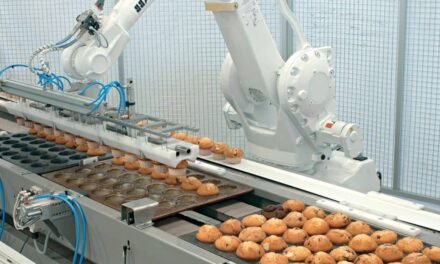
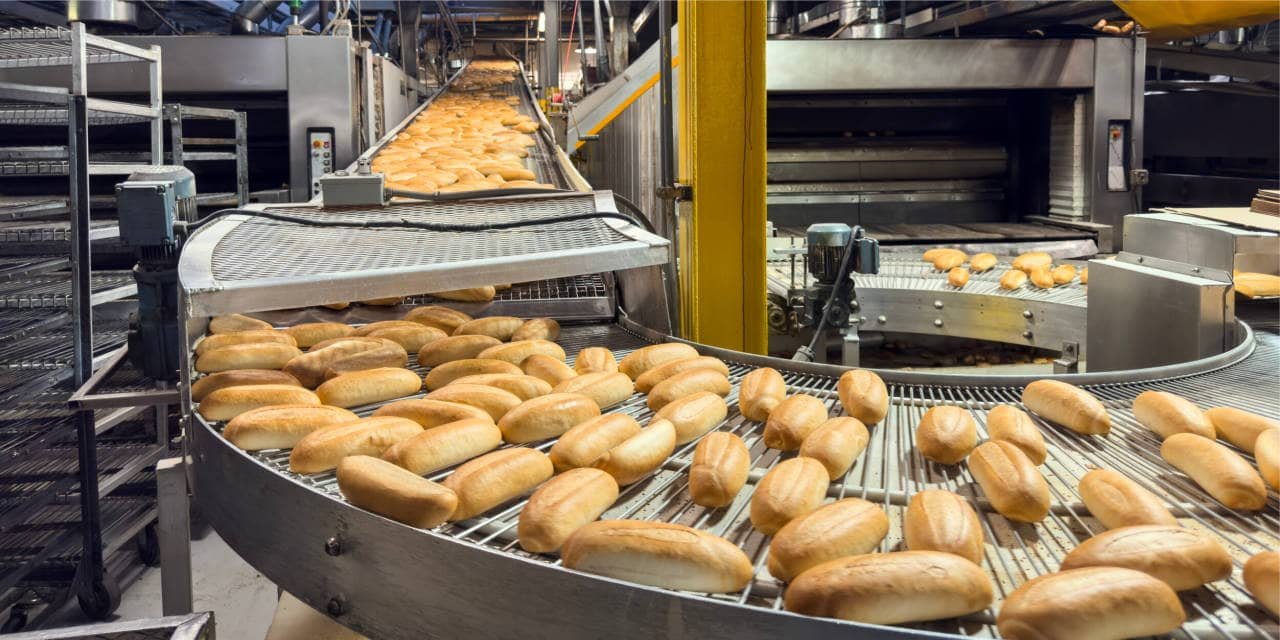
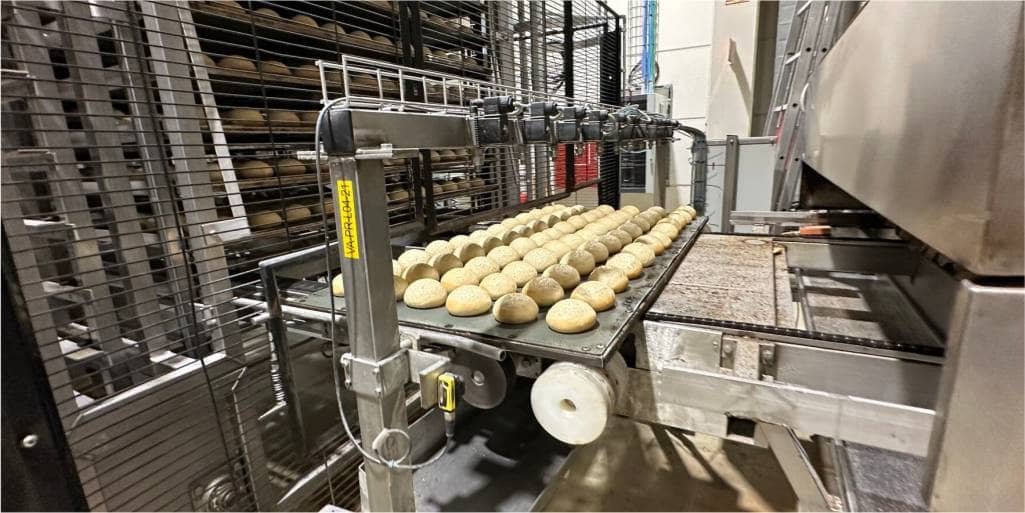
Modern bakery manufacturing can involve mixers, dividers, moulders, sheeters, proofers, ovens, cooling systems, slicers and automated packaging equipment.
Machinery selection should be based on the product range, production volume and process requirements. Energy consumption, cleaning access, maintenance, changeover time, floor space and future capacity should also be considered.
An introduction to the major equipment categories is provided in An Introduction to Bakery Machinery.
Industrial Bakery Oven Cleaning and Maintenance
Industrial ovens are among the most important pieces of bakery equipment. Regular inspection and cleaning help maintain heat transfer, product consistency and equipment reliability while reducing the risk associated with carbon deposits and accumulated residues.
Cleaning and preventive maintenance should follow the equipment manufacturer’s recommendations and the bakery’s food-safety programme.
See How to Clean an Industrial Bakery Oven for practical guidance.
Bakery Food Safety and FSSAI Compliance
Food Safety Issues in the Indian Bakery Industry
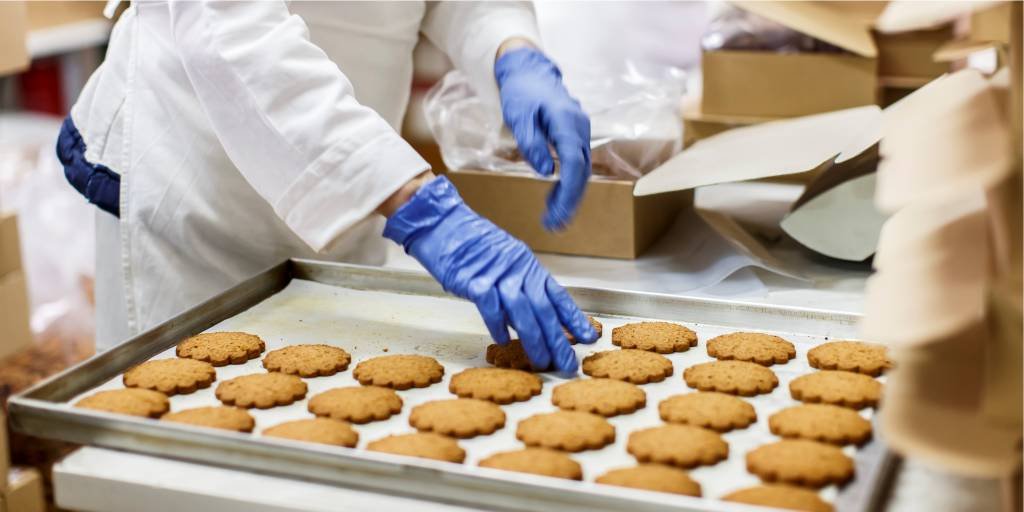
Food safety is a critical part of bakery manufacturing. Potential hazards can occur at almost every stage, from receiving flour and other ingredients to mixing, baking, cooling, packaging, storage and distribution.
Important concerns include microbiological contamination, allergens, foreign matter, chemical hazards, pest activity and poor personal hygiene. Cream-filled and other high-moisture products require particular attention to temperature control and shelf-life management.
Supplier approval, incoming-material inspection, cleaning and sanitation, pest management, employee hygiene, traceability and effective recall procedures are essential elements of a sound food-safety system.
PFI examines these issues in Indian Bakery Industry and Food Safety Issues.
FSSAI Compliance for Bakeries
Every bakery and confectionery business in India must meet the food-safety requirements applicable to its operations. These may cover FSSAI licensing or registration, hygiene practices, food additives, product standards, labelling and record keeping.
Regulatory requirements can change, so bakery businesses should refer to the latest FSSAI notifications and applicable regulations rather than relying on outdated checklists.
For a consolidated overview, read Food Safety in Bakery Industry: A Complete FSSAI Compliance Guide.
Bakery Packaging and Ingredient Innovation
Packaging of Bakery and Confectionery Products
Packaging has a direct impact on the shelf life and quality of bakery products. Bread and other moisture-sensitive products require appropriate moisture control, while biscuits, chocolates and products containing fats may require protection against oxidation.
Packaging also needs to withstand handling and distribution while providing suitable product information and consumer convenience.
For manufacturers, the challenge is to balance product protection, barrier performance, cost, appearance, sustainability and end-of-life considerations.
Explore the subject through Packaging of Bakery Products, Packaging for Bakery Products and Snack Foods and How to Optimize Bakery and Confectionery Packaging.
Fortification of Bakery Products
Bakery products can provide an effective vehicle for delivering selected micronutrients because products such as bread and biscuits are widely consumed.
Fortification, however, requires more than adding nutrients to a formulation. Fortificants can influence dough properties, colour, flavour, texture and product stability. Manufacturers therefore need to consider nutrient levels, uniformity, sensory quality and applicable regulatory requirements.
PFI’s technical resource Fortification of Bakery Products examines the subject in greater detail.
Defatted Soy Flour in Bakery Products
Defatted soy flour can help increase the protein content and nutritional value of bakery products while also contributing functional properties. Its inclusion can affect dough rheology, flavour, colour and texture, particularly at higher levels.
Formulation trials are therefore important when incorporating soy flour into bread, biscuits and other bakery products.
See Defatted Soy Flour in Bakery Products for more information.
Indian Bakery Market and Industry Trends
Indian Bakery and Confectionery Industry
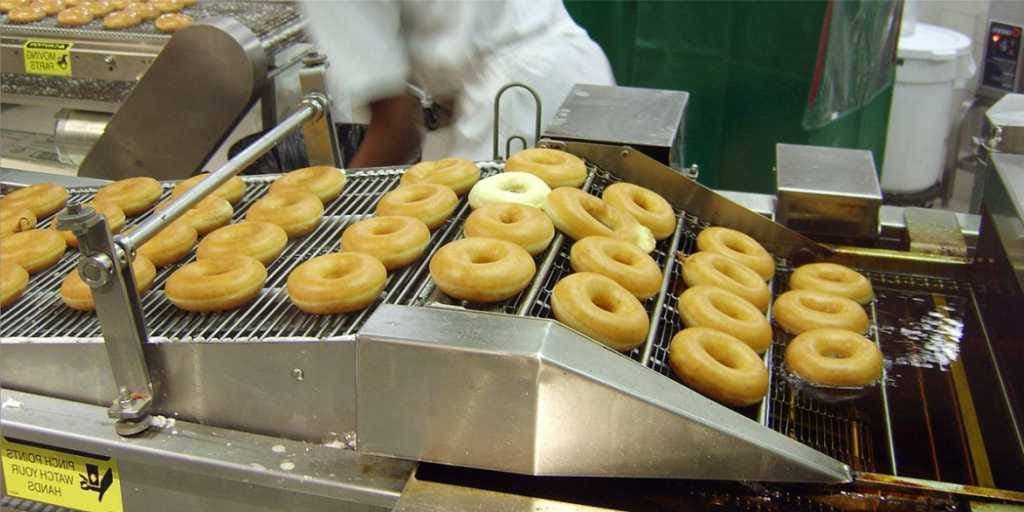
The Indian bakery industry includes a large number of traditional and small bakeries alongside organised manufacturers and national brands. The market is gradually seeing greater demand for packaged, branded, premium and convenient products.
According to IMARC, the Indian bakery market was valued at about US$15.05 billion in 2025. The estimate covers a defined set of bakery products, and other research reports give different market values because their product coverage and methodology differ.
The underlying market drivers are nevertheless clear. Urbanisation, changing lifestyles, convenience, premiumisation and interest in healthier formulations are influencing product development and purchasing behaviour.
For a broader market perspective, see India’s Bakery and Confectionery Industry.
Latest Trends in the Confectionery Industry
The confectionery industry is responding to changing consumer expectations through sugar reduction, alternative sweeteners, clean-label positioning, premium chocolates, functional ingredients and more sustainable packaging.
Premium and artisanal products are also creating opportunities beyond conventional mass-market confectionery. At the same time, manufacturers must ensure that new formulations deliver acceptable taste, texture, shelf life and production performance.
Read the latest analysis in Recent Trends in Confectionery Industry.
The Future of the Bakery and Confectionery Industry
The bakery and confectionery industry in India is entering a period in which traditional baking expertise is increasingly supported by automation, improved process control, ingredient science and better packaging technology.
For manufacturers, future growth will depend not only on increasing production but also on maintaining consistent quality, improving food safety, controlling costs and responding quickly to changing consumer preferences.
This PFI guide provides a central reference point for understanding the bakery industry in India, with links to detailed resources on bakery business, production technology, bakery machinery, food safety, FSSAI compliance, packaging, fortification and confectionery trends. Whether you are planning to start a bakery, expand an existing production facility, develop a new bakery product or improve an established manufacturing operation, these resources provide a practical starting point for further exploration.
Bakery and Confectionery Industry: FAQs
The bakery and confectionery industry covers the manufacture and sale of products such as bread, biscuits, cakes, pastries, rusks, chocolates and other confectionery products.
Major segments include bread and buns, biscuits and cookies, cakes and pastries, rusks, packaged bakery products and speciality bakery products. The organised sector also includes industrial-scale production for retail, foodservice and institutional markets.
Equipment varies with the product and production scale. Common machinery includes mixers, dough dividers, moulders, proofers, ovens, cooling equipment, slicers and packaging machines.
Key trends include premiumisation, convenience, healthier formulations, whole-grain and millet-based products, reduced-sugar products, automation, improved packaging and greater interest in clean-label and functional ingredients.
Common risks include microbiological contamination, allergens, foreign matter, chemical hazards, pest activity and poor temperature or hygiene control. Risk levels vary according to the product and process.

Have a news or topic to share with industry? Write to us editorial@pfionline.com