Effective pest management is a critical part of food safety in processing and manufacturing facilities. Learn how food processing facilities can strengthen pest management through sanitation, structural proofing, monitoring, IPM, documentation and targeted chemical control.
In food safety, a pest is any insect, rodent, bird or other organism capable of damaging or contaminating food, crops or livestock. Left unchecked, pests can contaminate raw materials and finished products and disrupt processing, storage and distribution. For food manufacturers, an infestation can lead to product losses, recalls, regulatory action and serious damage to brand reputation.
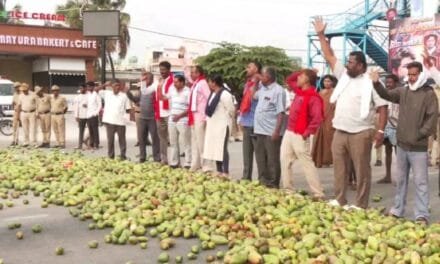
Recent enforcement cases underline the risk. In August 2026, India’s Food Safety and Standards Authority of India (FSSAI) suspended the licences of VKC Nuts Pvt Ltd in Uttar Pradesh and Chheda Specialities Foods Pvt Ltd in Maharashtra after inspections found live insects in stored pistachios, rodent droppings on production floors, damaged rodent bait stations and houseflies on exposed food. Both facilities scored below 45% in FSSAI compliance audits. A similar case involved Switz Foods, a Kolkata bakery where inspectors reported fly and mosquito infestation along with unhygienic crate-washing and production areas.
The problem is not limited to India. In December 2025, the U.S. FDA announced a major recall after Gold Star Distribution, Inc. was found storing food, drugs and cosmetics in a warehouse contaminated with rodent and bird droppings and rodent urine. The recall affected products distributed across several states and raised concerns about potential Salmonella and leptospirosis risks.
These cases demonstrate why pest management must be treated as an operational food-safety programme, not simply as a periodic pest-control service. The programme needs prevention, monitoring, corrective action and proper documentation. PFI’s discussion of the cost of food safety failure also highlights the wider business consequences when food-safety controls fail.
Know the Pests and Their Behaviour
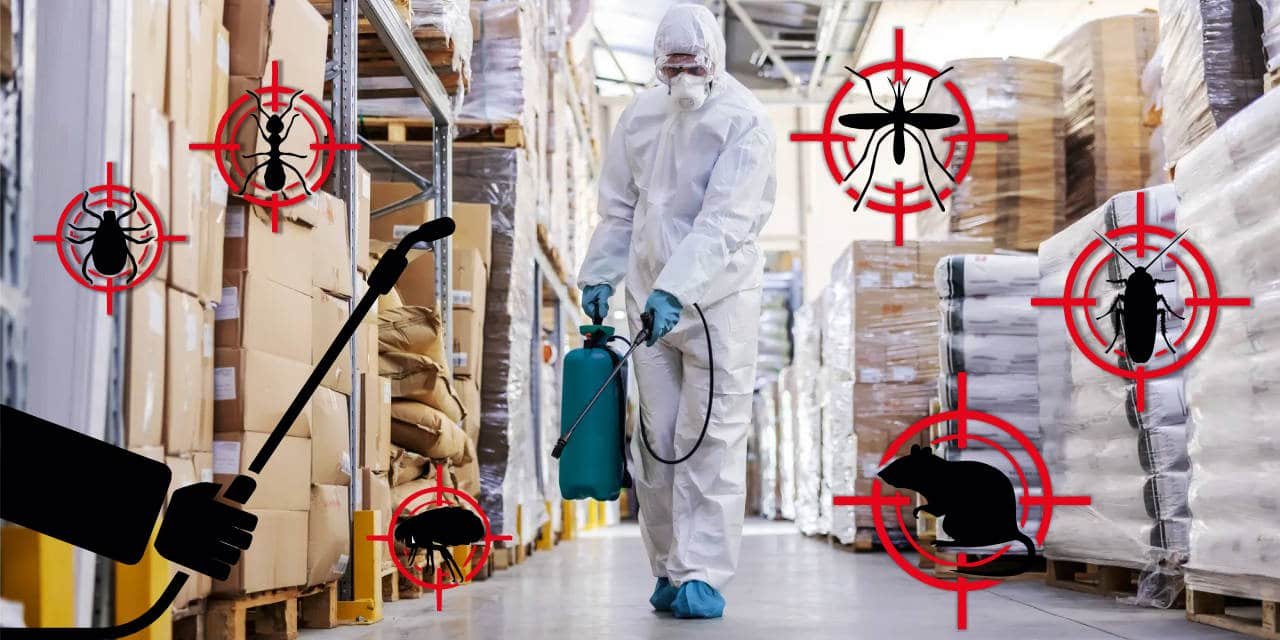
Food processing facilities commonly encounter cockroaches, ants, rodents, flies, birds, spiders, mosquitoes, geckos and stored-product insects. Understanding their behaviour helps facilities identify vulnerabilities and select appropriate preventive measures.
Cockroaches prefer warm, dark and undisturbed locations and can reproduce rapidly. Ants may be attracted to sugars, proteins or fats and generally forage in organised colonies. Rodents can enter through surprisingly small gaps and may carry pathogens such as Salmonella and Leptospira. They can also learn to avoid traps, making continuous monitoring important.
Flies, including fruit, drain, flesh and house flies, commonly breed in decaying organic matter and can mechanically transfer foodborne pathogens. Geckos can climb most surfaces and may contaminate food areas through droppings and shed skin.
Why Pests Enter Food Facilities
Pests generally establish themselves where they can find four basic requirements – food, water, shelter and access.
Water may come from leaks, condensation, poorly maintained drains or stagnant water. Food sources include spills, processing residues, waste and improperly stored raw materials. Clutter, voids, false ceilings and unused equipment can provide shelter. Gaps in walls, unscreened vents, open doors and other structural weaknesses provide access.
These risks can be addressed through the four Ds – Deny Entry, Deny Food, Deny Shelter and Destroy.
The location and structure of the facility also influence pest pressure. Plants located near farmland, forests, waste sites or other potential pest sources may face greater external pressure. Incoming raw materials, packaging and pallets can introduce pests and should therefore be inspected before entering production or storage areas. This is part of a broader contamination-control approach. See PFI’s article on how contamination during food processing occurs for a wider look at contamination risks within processing operations.
Equipment design also matters. Machinery with inaccessible crevices can become long-term harborage. Ease of cleaning should therefore be considered when selecting and installing equipment. Personnel movement can also provide a pathway for pests, making appropriate controls for footwear, clothing and personal hygiene important at facility entry points.
Equipment design and maintenance also affect hygiene performance. For more on this aspect, see PFI’s article on optimising cleaning and maintenance of food processing equipment
What Regulators Expect
Under FSSAI Schedule 4, Part IV, food businesses are expected to maintain effective pest prevention and control measures. Similar preventive principles are reflected in the U.S. FDA Preventive Controls requirements under 21 CFR 117 and EU Regulation (EC) 852/2004.
These requirements also sit within the broader framework of Good Manufacturing Practices (GMP), which covers the basic conditions needed to maintain hygienic food production. PFI’s guide to Good Manufacturing Practices in the Food Industry provides further context.
Key requirements include:
- Professional pest control: Treatment should be carried out by authorised or appropriately licensed pest control personnel and should not take place when exposed food or food-contact materials could be contaminated.
- Approved chemicals: Only permitted and appropriately approved pest-control products should be used. Chemicals must not come into contact with food, utensils or food-contact surfaces. Methyl bromide fumigation is prohibited.
- Physical proofing: Holes, gaps and drain openings should be sealed. Windows and vents should have suitable mesh or fly screens, while external doors should be properly sealed and fitted with self-closing devices or suitable brush strips.
- Storage controls: Food should be stored in pest-proof containers, kept off the floor and adequately separated from walls, typically by at least 18 inches (45 cm). Pesticides and other chemicals should be stored separately from food and food-handling areas.
- Trap and bait placement: Insect light traps should be positioned below six feet and away from direct outdoor visibility. Rodent bait stations should be secure, numbered and identified on a facility layout.
Non-compliance can result in significant financial and operational consequences. Under India’s Food Safety and Standards Act, 2006, applicable violations can attract penalties of up to ₹5 lakh, along with other regulatory action, including suspension of licences.
Documentation is Part of Pest Management Programme
A pest management programme is only as strong as the records supporting it. Auditors need evidence that the programme is being implemented consistently, not simply that a pest-control contract exists.
Regular verification is equally important. PFI’s article on the importance of third-party audits in food safety certifications discusses how independent audits can help identify gaps in food-safety systems.
Facilities should maintain, at a minimum:
- A current, signed service agreement with a qualified pest control operator.
- A facility layout showing the location and identification of traps and bait stations.
- Pest-control service records covering the date, target pest, chemicals and concentrations used, findings and corrective actions.
- Historical pest-management records. At least one year should be retained, while many international systems recommend maintaining two years of records.
Building an Integrated Pest Management Programme
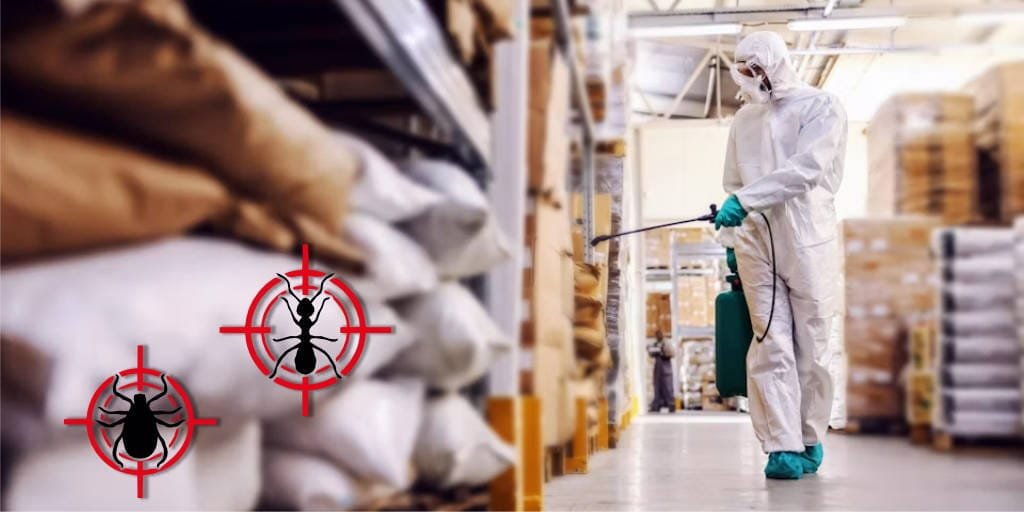
Modern food facilities increasingly use Integrated Pest Management (IPM), which gives priority to prevention and monitoring rather than routine chemical treatment. Inspection findings, trap activity and pest trends help determine where and when intervention is required. Chemical control is used as a targeted measure rather than the default response.
An effective programme is a shared responsibility between the food business and its pest-control specialist.
- Cleaning and sanitation: A documented cleaning and inspection programme should cover floors, roofs, false ceilings, drains and equipment at appropriate daily, weekly, monthly and annual frequencies. The objective is to remove food residues, moisture, harbourage and signs of pest activity.
- Cleaning is one of the first lines of defence against pest activity. PFI’s article on cleaning and sanitation in food processing looks more closely at the role of sanitation in preventing contamination.
- Waste management: Waste should be covered, protected from pests and removed frequently. Poor waste handling can quickly create both pest and food-safety risks.
- Entry-point control: External doors should be properly sealed, manufacturing windows screened and warehouse loading areas designed to minimise pest entry. Automatic doors, air curtains, rubber sealing strips and, where appropriate, double-door vestibules can provide additional protection.
- Habitat correction: Roofs, false ceilings and other concealed areas should be inspected and proofed regularly. Exterior vegetation should be trimmed and kept away from the building envelope. Appropriate exterior lighting can also help reduce attraction of flying insects.
Chemical Control Should Be Targeted
Chemical control has a role in pest management, but it should be carefully controlled. Only trained and licensed technicians should apply pesticides. Every application, whether indoors or on the grounds, should be documented, including the material used, target organism, quantity, treated area, application method, dosage, date and time, re-entry interval and technician’s signature.
Pesticides should be stored in locked, clearly labelled and adequately ventilated areas, physically separated from production areas. Spill-control materials should be available, and disposal should follow label instructions and applicable regulations.
Device placement should follow defined spacing and monitoring requirements. Exterior rodent bait stations should generally be positioned at 15-30 metre (50-100 foot) intervals around the perimeter. They should be tamper-resistant, anchored and locked using manufacturer-approved devices.
Interior monitoring devices should be spaced at approximately 6.5-12 metres (20-35 feet) along storage walls and positioned at doors with potential rodent-entry points. These devices should be inspected weekly.
Insect light traps should be located at least 3-4 metres (10-12 feet) from exposed product lines. They should be numbered and cleaned regularly, with weekly cleaning during peak season and monthly cleaning during the off-season. Tubes should be replaced annually.
Bird control is best managed through exclusion measures such as netting, screening and mechanical deterrents rather than chemical control.

Monitoring Makes Pest Control a Management System
A pest management programme cannot be treated as a “set and forget” activity. Its effectiveness should be formally reviewed at least every six months using service records, pest trends and monitoring data.
The review should consider whether device locations remain appropriate, whether treatment frequency needs adjustment and whether structural or sanitation problems require corrective action. Repeated pest activity should trigger investigation into the underlying cause rather than simply another treatment.
A rigorous pest management programme combines sanitation, structural proofing, monitoring, documentation and controlled chemical management. For food manufacturers, the objective is not merely to eliminate pests after they appear, but to prevent them from entering and establishing themselves in the first place.
When pest management is built into everyday food-safety operations, the benefits extend beyond regulatory compliance. It protects raw materials and finished products, reduces avoidable losses and helps protect the reputation of the food business.
Pest activity is one of several routes through which foreign material and biological contamination can enter a food operation. PFI’s guide to six steps to prevent physical contamination in food provides additional guidance on controlling contamination risks.
Pest Management in Food Facilities: FAQs
Pest management helps prevent contamination of raw materials, food products and processing areas. An effective programme also reduces product losses, recalls, regulatory action and damage to brand reputation.
Common pests include rodents, cockroaches, ants, flies, birds, mosquitoes, geckos and stored-product insects. The type and level of pest pressure can vary with the facility, its location, raw materials and sanitation conditions.
Pests generally require food, water, shelter and access. Controlling these four conditions forms the basis of the 4 Ds approach – Deny Entry, Deny Food, Deny Shelter and Destroy.
Integrated Pest Management is a preventive approach that combines sanitation, structural proofing, monitoring and targeted intervention. It gives priority to preventing and detecting pest activity rather than relying on routine chemical treatment.
Facilities should maintain pest-control service agreements, facility layouts showing traps and bait stations, service records, pest findings, chemicals used, corrective actions and historical pest-management records.
Facilities can reduce pest entry by sealing gaps and openings, screening windows and vents, maintaining properly sealed doors, controlling loading areas, inspecting incoming materials and pallets, and keeping the surrounding area properly maintained.
The programme should be formally reviewed at least every six months. Reviews should consider pest trends, service records, device locations, treatment frequency and recurring structural or sanitation problems.
No. Chemical control should be targeted and used as part of an integrated pest management programme. Prevention, sanitation, monitoring and structural proofing should form the first line of defence, with chemical treatment applied when required and under controlled conditions.