UK trade mission promotes Scottish salmon exports in India after a 33% tariff removal, with B2B meetings focused on import compliance, cold chain and distribution.
October 2026: A major UK trade mission to India has announced more than £1 billion in new commercial deals, as both countries seek to expand trade and investment following the implementation of their free trade agreement. Among the opportunities being pursued are increased exports of British food and drink, including Scottish salmon, following the removal of a 33% import tariff on the product under the trade pact.
The delegation comprises more than 100 businesses, senior UK government ministers, seven mayors from northern England and a combined authority leader. According to the British High Commission, the mission aims to strengthen commercial ties, encourage investment and help UK businesses convert the trade agreement into new market opportunities.
Representatives from the British food and drink sector include Salmon Scotland, the Agriculture and Horticulture Development Board (AHDB), the British Meat Processors Association, the National Farmers’ Union, the Scotch Whisky Association, Fever-Tree, Kendamil and Walker’s Shortbread.
Scottish Salmon Producers Explore Indian Market
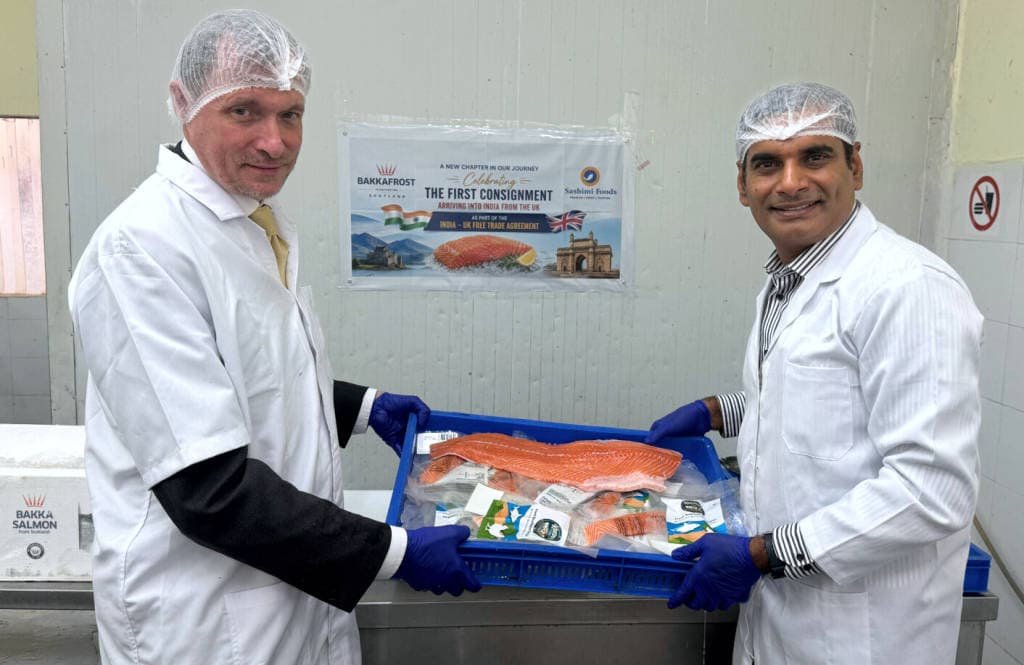
Scottish salmon producers are stepping up efforts to establish stronger commercial links with Indian importers, distributors and hospitality businesses. The removal of the 33% tariff has improved the trade terms for Scottish salmon entering India, creating an opportunity for exporters to assess demand and develop distribution channels.
Representatives from Mowi Scotland, Scottish Sea Farms, Bakkafrost Scotland and Loch Duart visited New Delhi as part of a trade mission organised by Salmon Scotland.
The Forum of Indian Food Importers (FIFI), in collaboration with the UK India Business Council (UKIBC) and Scottish Salmon, organised an industry roundtable, business-to-business (B2B) matchmaking showcase and networking reception. The event brought together Scottish producers, Indian seafood importers, executive chefs and hospitality professionals.
The discussions focused on sourcing opportunities, cold-chain requirements, import compliance and distribution channels. These issues are central to introducing premium seafood into India, where product quality and food safety depend on reliable temperature control, efficient logistics and compliance with import requirements.
The initiative facilitated 33 direct B2B interactions between the participating salmon producers and Indian importers and distributors. The meetings provided an opportunity to discuss commercial requirements, assess potential supply arrangements and understand the needs of India’s foodservice and hospitality sectors.
Cold Chain and Import Compliance in Focus
For seafood exporters, market access involves more than favourable tariff terms. Maintaining product quality during air freight, customs clearance, storage and domestic distribution is essential, particularly for chilled products with limited shelf life.
Importers and exporters must also establish clear procedures for documentation, food safety compliance, traceability and temperature monitoring. These requirements influence landed costs, delivery schedules and the ability to supply hotels, restaurants and other institutional buyers consistently.
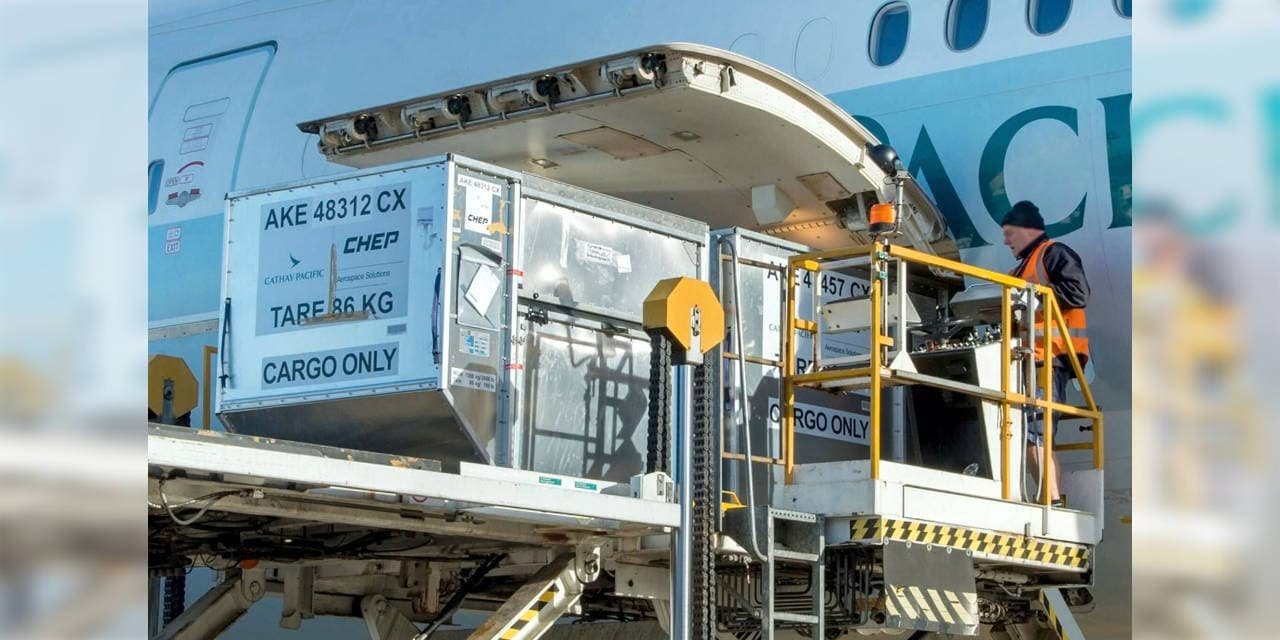
The trade discussions also follow an earlier logistics exercise in July, when a consignment of Bakkafrost Scotland salmon was flown to India to test transport arrangements after the tariff change. The exercise highlighted the importance of assessing the practical requirements of moving seafood into the Indian market.
Amit Lohani, Founder Director of FIFI, said India offers significant opportunities for international food producers, but success depends on understanding local regulations, supply-chain needs and buyer expectations. He added that direct engagement between producers and importers can help establish reliable trading relationships and broaden product choices for India’s hospitality and foodservice industry.
UK-India Trade Agreement Opens New Opportunities
Scotland Secretary Douglas Alexander said the agreement could create new export opportunities for Scottish producers, particularly in salmon and whisky, while supporting investment and employment in Scotland.
Environment, Food and Rural Affairs Secretary Angela Eagle said the UK government was working with British farmers and food and drink businesses to build new trading relationships and translate the agreement into export opportunities.
The trade mission also includes businesses from other sectors, with announced commercial deals exceeding £1 billion. These include a £50 million investment in artificial intelligence research in the UK and an expansion of aviation services by Menzies Aviation.
The UK-India trade agreement is expected to increase bilateral trade by £25.5 billion annually in the long term, according to the British High Commission. For food exporters, the next stage will involve converting improved tariff access into regular orders, dependable logistics and sustained relationships with Indian buyers. For Scottish salmon producers, the combination of tariff relief, direct importer engagement and logistics trials offers a route to building a presence in India. However, long-term growth will depend on competitive pricing, consistent quality, reliable cold-chain infrastructure and the ability to meet Indian market requirements.

Have a news or topic to share with industry? Write to us editorial@pfionline.com