
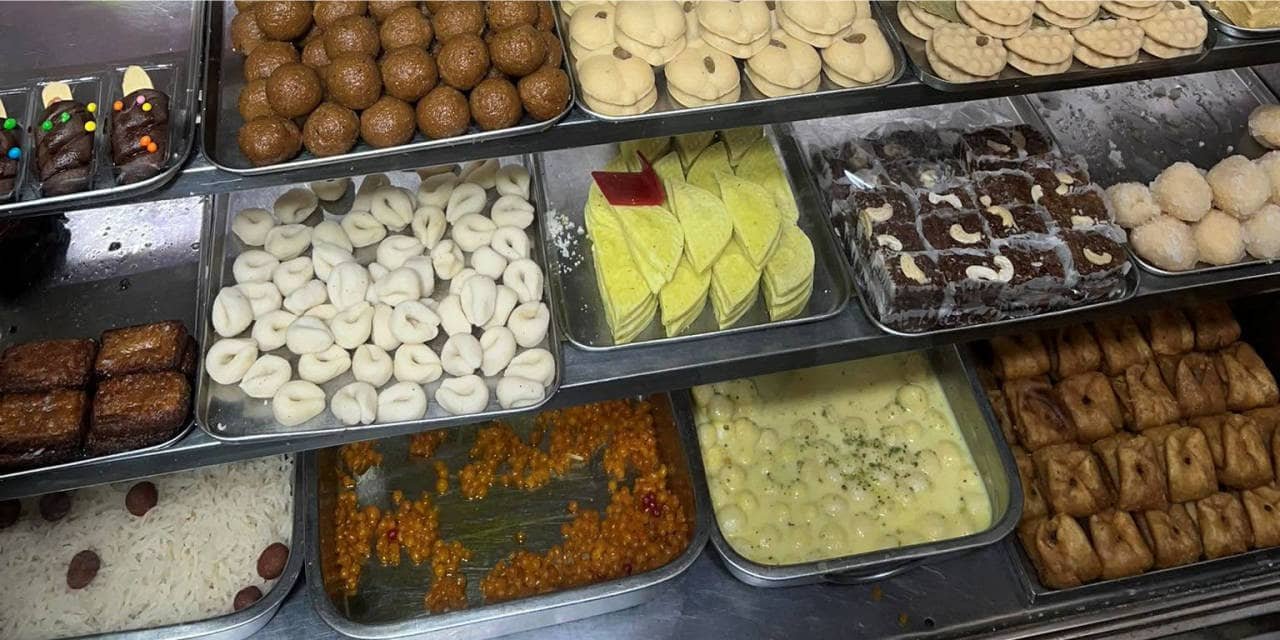
Uttar Pradesh makes ‘Use by Date’ mandatory for loose sweets from October 15, 2026, and bans ethylene glycol and diethylene glycol in milk processing.
The Uttar Pradesh Food Safety and Drug Administration (FSDA) has mandated the display of a ‘Use by Date’ on all sweets stored and displayed for sale at counters across the state, ahead of the 2026 festive season. The requirement, effective October 15, aims to improve transparency in the sweets trade and help consumers make informed decisions about product freshness and shelf life.
The move addresses a long-standing regulatory gap concerning loose sweets, for which there was previously no clear mandatory requirement to display an expiry date or ‘Use by Date’. While packaged sweets are already subject to such labelling requirements, similar provisions were not explicitly applicable to loose products.
FSDA inspections at sweet manufacturing and retail establishments revealed that sellers frequently failed to provide clear information about the dates of manufacture and expiry. As a result, consumers were often unable to assess the freshness and remaining shelf life of the sweets they purchased.
According to an order issued by Dr Roshan Jacob, Commissioner, FSDA, the shelf life of sweets varies according to their type and nature, ranging from one day to 30 days. Their quality, taste and freshness are also influenced by ingredients and prevailing weather conditions.
Under the existing system, packaged sweets are already required to carry an expiry date or “Use by Date”. However, there was no clear mandatory provision for displaying such information on loose sweets. Officials said the initiative is meant to improve transparency in the sweets trade while ensuring that consumers receive essential information about the food products they buy.
The department emphasised that displaying the ‘Use by Date’ would help consumers understand the appropriate consumption period and make informed choices regarding the freshness and quality of sweets.
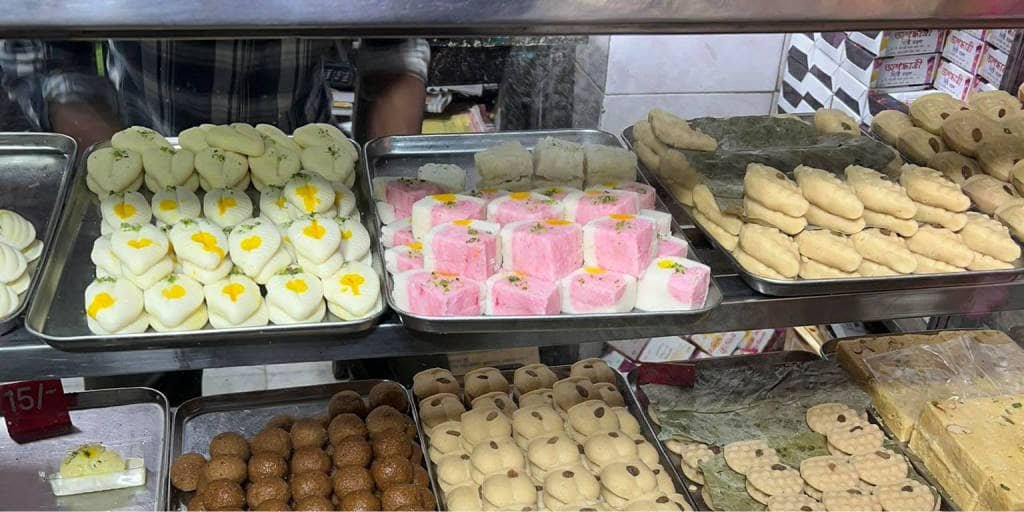
The new requirement will apply to sweet shops and retailers selling loose sweets or unpackaged (open-counter), making date disclosure an essential part of consumer information during the festive period, when demand for traditional confectionery typically increases.
Shelf Life Varies by Type of Mithai
The state does not prescribe a single shelf life for all types of sweets. Instead, sweet manufacturers and sellers have flexibility to determine the appropriate ‘Use by Date’ based on the type of preparation, ingredients, nature of the product and prevailing weather conditions.
This flexibility, however, places responsibility on sellers to ensure that the product remains safe and of acceptable quality throughout the declared period.
In general, the shelf life of traditional mithai can range from one to 30 days. Milk- and khoya-based products such as kalakand, rabdi and malai roll generally have a shorter shelf life because of their higher moisture content and greater susceptibility to microbial spoilage.
Dry-fruit and ghee-based sweets such as kaju katli and laddoo generally have a longer shelf life, often ranging from seven to 15 days or more, depending on factors such as moisture content, ingredients, processing and storage conditions.
Compliance and Enforcement
The FSDA mandate is being implemented under the broader food safety and regulatory framework applicable to food businesses.
Ahead of the October 15 deadline, district authorities are conducting awareness and inspection drives to help sweet manufacturers and retailers understand the new requirement. In Ghaziabad, for example, 18 dedicated teams have been constituted for the exercise.
Once the requirement takes effect, failure to display the prescribed ‘Use by Date’, or sale of sweets beyond the declared date, may attract action under applicable food safety and labelling provisions. Depending on the nature and severity of the violation, enforcement action may include financial penalties and other regulatory measures against the food business operator.
The requirement also places greater emphasis on the responsibility of sweet sellers to monitor product quality during the declared shelf-life period. For the industry, this makes appropriate shelf-life assessment, storage conditions and clear date disclosure increasingly important, particularly during the high-demand festive season.
UP Bans Ethylene Glycol and Diethylene Glycol in Milk Processing
In a separate food safety measure, the Uttar Pradesh government has prohibited the use of ethylene glycol and diethylene glycol in milk and milk product processing units.
The department also said enforcement and inspection activities had found that some milk processing establishments were using ethylene glycol or diethylene glycol as coolants during processes such as pasteurisation and refrigeration.
The FSDA highlighted the serious health risks associated with potential contamination of milk by these substances. Leakage in processing equipment could allow the chemicals to enter milk or milk products, creating a potential food safety hazard.
As an alternative, the department has permitted the use of propylene glycol, which is already used by several milk processing units. The department said that “propylene glycol can be used as an alternative and is already being used by many milk processing units”.
Together, the two measures underline the state’s focus on strengthening food safety oversight, improving consumer information and addressing potential contamination risks across the food supply chain.

Have a news or topic to share with industry? Write to us editorial@pfionline.com