The processed food industry faces growing sustainability challenges driven by resource intensity, waste generation, emissions, and shifting consumer perceptions. Rajat K Baisya examines key environmental and operational issues, evolving consumer expectations, and the role of technology, innovation, and circular practices in building a more sustainable and resilient food processing ecosystem.
Table of Contents
Why Sustainability Matters in the Food Industry
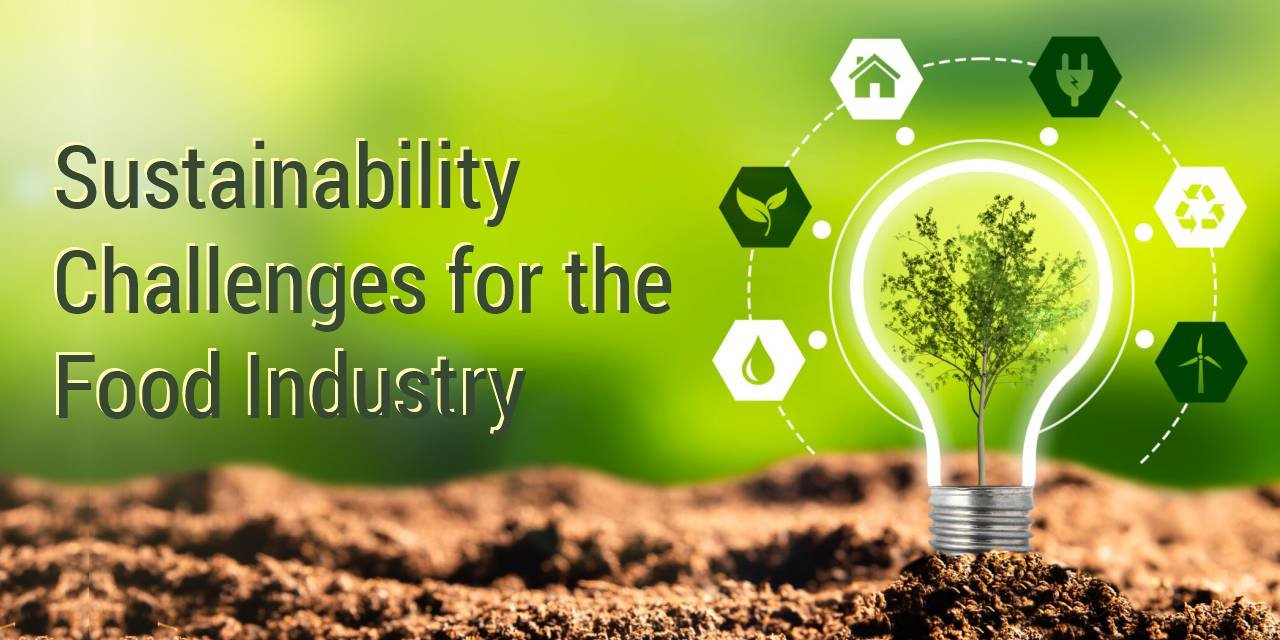
Sustainability is a key concern across all economic and industrial activities, regardless of industry type or category. The processed food industry also faces major sustainability issues, including high greenhouse gas emissions, excessive water consumption and land use, wastages during handling and processing, as well as packaging material wastes, high dependency on resource-intensive agriculture, both water and air pollution driven by long supply chains, and intense and high energy processing, and so forth.
| Also Read: Rising Consumer Shift: Food Sustainability Takes Center Stage
| Also Read: How Sustainability is Revolutionizing Food Industry
Natural Resource Depletion and Waste Generation
Key sustainability Issues and challenges of the Food Processing industry can thus be classified into various categories, including:
* Greenhouse Gas Emissions: The food industry is responsible for GHG emissions from energy-intensive processing, transportation (long supply chains), and agricultural inputs like fertilizers, contributing to climate change.
* Natural Resource Depletion: Heavy use of land, water, energy, herbicides, pesticides, and fertilisers, straining and depleting natural resources.
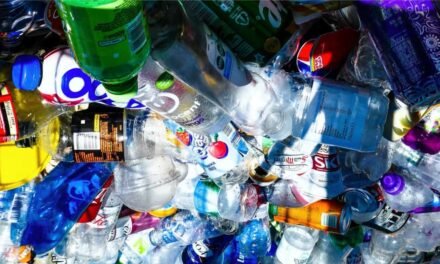
* Waste Generation: Massive amounts of solid food waste, which includes byproducts, spoilage, food residues, and single-use plastic packaging, contribute to landfills and pollution.
* Both water and air Pollution: Processing units generate wastewater with high BOD, requiring biological waste treatment, as well as air pollution from Industrial operations, which impacts the economy and health.
* Food Loss & Waste: A huge quantity of processed food is wasted as unsold, as well as in hotels and restaurants, and in food distribution channels. As per the estimate of the World Food Programme, one-third of all food produced is either lost or wasted, creating significant financial and environmental costs.
* Unsustainable Sourcing: Some basic inputs of the food processing industry can be linked to deforestation (e.g., for beef), soil erosion, and water scarcity and also impact food security.
| Also Read: Rise of Sustainable Food Packaging for a Greener Future
However, the typical challenges for the industry are that consumers want eco-friendly products, but often they don’t want to pay more for them. Also, new sustainable technologies need to prove to be viable for large-scale implementation, as well as need to be economically viable alternatives. Besides, changing long-established practices and consumer habits itself is a slow and time-consuming process.
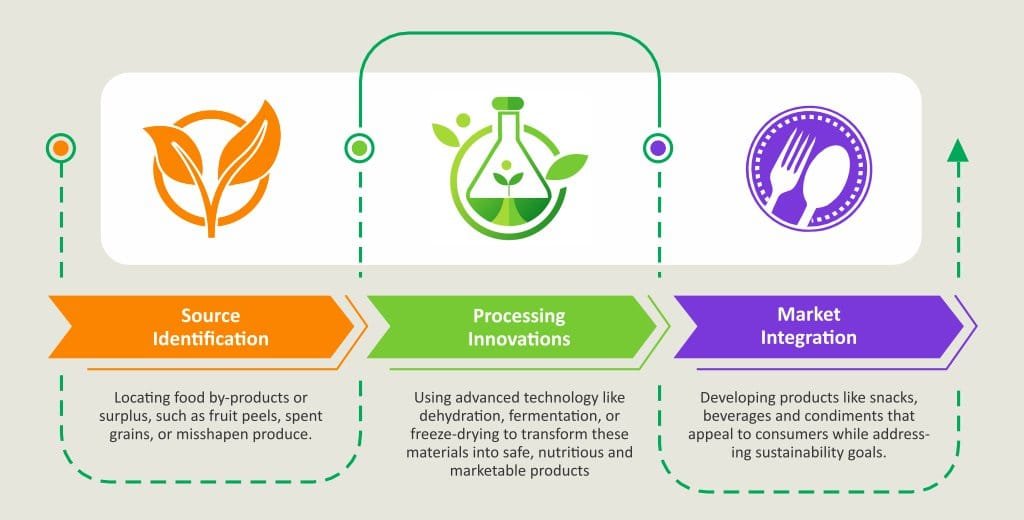
Sustainable food processing requires practical solutions – localized sourcing, energy-efficient operations, waste valorization, shorter supply chains, and technology-driven decision-making – to reduce environmental impact while improving cost efficiency and long-term competitiveness.
Forces Shaping the Future of Food Consumption
Deloitte carried out a survey on consumers of the future and identified six key forces that will play a pivotal role in shaping the industry, and the business landscape, the world over, over the next decade. These are: the changing consumers’ expectations and perceptions, an evolving society and culture, exponential use and application of technology, radical industry upheaval, extreme climate change, and shifting economics, power and policy.
These forces, as Deloitte said, are affecting the markets, models and mechanics of all industries, including food production and distribution. The future will require companies operating in the food ecosystem to understand the implications of their decisions, and create a new approach to markets, models and market mechanics, as they chart the future of the food industry.
| Also Read: Sustainable Food & Packaging: Building a Greener Future
Consumer Perceptions of Processed Foods and Health Concerns
Public concern about processed food is continuing to grow, with consumers increasingly wary of long ingredient lists and unfamiliar additives, and headlines warning of the dangers of ‘ultra-processed’ foods. As a result, many people now scan labels for signs of artificiality or synthetic – often assuming that anything industrially made must be less healthy and less natural.
But while it’s true that some highly processed foods are best kept as occasional treats, many others play a vital role in modern diets and in building a more sustainable food system. There is still confusion, and consumers need a much clearer understanding of what constitutes healthy food.
A growing number of people now associate ‘processed’ with ‘unhealthy’ – a view driven by social-media trends, food marketing, and a preference for so-called ‘natural’ eating. Research shows that people tend to trust food made at home more than the same dish made in a factory, even if the ingredients and methods are similar. There’s also evidence that terms such as ‘industrial’ and ‘ultra-processed’ are enough to put people off a product – regardless of the nutritional value.
How to Address Sustainability Concerns?
To address the sustainability concerns, industries have resorted to putting new initiatives into their manufacturing and research programmes such as:
- Efficient processing to extend shelf life, reduce fruit and vegetable waste, and allow for energy-efficient production
- Turning processing byproducts into valuable nutrients
- Plant proteins offer a lower-impact alternative to resource-intensive animal products.
- Turning waste into raw materials and focusing on reuse and or reduction in packaging
Of course, there are also major social and economic factors at play. Processed foods are generally convenient, affordable, and accessible – particularly for people with limited time or resources. Overly simplistic warnings about ultra-processed foods can undermine the appeal of practical, healthy options such as canned beans, wholegrain cereals, or fortified products that really are pretty close to what people make in their kitchens.
Leveraging locally available raw materials, establishing multiple production units at strategic locations closer to markets, and developing vendors near these production units are key imperatives that can shorten the supply chain and, in turn, reduce energy consumption, making operations more economical and sustainable.
| Also Read: How Demand for Sustainability is Transforming Food Packaging
Sustainability Aspect Cannot be Overlooked
Processing isn’t just about taste and shelf life. It can also help to reduce waste, improve energy efficiency, and support climate goals. A loaf of bread made in an energy-efficient factory typically has a smaller carbon footprint than the same loaf baked at home in a conventional oven. Food waste is another critical issue. Processed fruit and vegetables generally spoil more slowly, meaning that less food is thrown away. It’s estimated that processing can cut waste from fruit and vegetables by about 14%. Some food manufacturers are also finding ways to turn food-processing waste into valuable nutrients – such as using by-products to extract carotenoids or plant-based proteins.
Sustainability transforms the food industry by influencing everything from production methods to consumer expectations. It encourages the adoption of environmentally sound, economically viable, and socially responsible practices.
Companies that fail to adopt sustainable practices face the risk of losing consumer trust, while those that do are likely to experience increased brand loyalty and a competitive edge in the market.
| Also Read: World’s Most Ethical Food & Beverage Companies
Technology as a Driver of Sustainable Food Systems
Technological advancements such as artificial intelligence and machine learning are optimizing supply chains, reducing spoilage, and predicting crop yields. Moreover, the rise of blockchain technology enables transparent and traceable food sourcing, empowering consumers to make informed choices about the sustainability of their purchases.
Embracing these technologies not only addresses ecological concerns but also improves profitability by streamlining operations and reducing costs associated with waste.
Innovation is the catalyst for sustainability, offering new methods to reduce environmental impact and improve efficiency. It encompasses the development of novel ingredients, the optimization of supply chains, and the use of technology to track and reduce emissions.
The seven principles of food sustainability are:
- Protecting ecosystems and biodiversity
- Using resources efficiently and responsibly
- Minimizing waste and pollution
- Ensuring fair labor practices
- Supporting local economies
- Promoting health and nutrition
- Enabling consumers to make informed choices
The integration of sustainability in the food industry with innovative ingredients is not only an ethical choice but also a strategic business imperative. By embracing eco-friendly ingredients and technologies, the industry can reduce its environmental impact and chart a course for a sustainable and profitable future. And that is the future of the food industry and a key challenge to food technologists.
Circular Economy Practices: Turning Waste into Value
Circularity is a key objective to maintain access to the scarce natural resources that are necessary for the production of food and (renewable) energy. Transforming food waste into valuable products (such as biofuels) could lift the pressure on limited resources. On the other hand, by-products of both conventional and renewable energy production can be returned to the food value chain.
| Also Read: How Could Circular Economy Principles Revolutionize Food Processing?
💡 FAQs
The Indian ice cream industry is experiencing strong double-digit growth driven by rising disposable incomes, urbanisation, premiumisation, and improved cold chain infrastructure. Low per capita consumption indicates substantial future potential.
Major brands include Amul, Kwality Wall’s, Vadilal Industries, Mother Dairy, and Havmor Ice Cream, competing across mass and premium segments.
The process includes milk standardisation, pasteurisation, homogenisation, ageing, flavour incorporation, freezing, hardening, and packaging under strict cold chain control.
Companies are adopting renewable energy, sustainable sourcing, recyclable packaging, and carbon reduction strategies to meet regulatory and consumer expectations.
Low-sugar variants, plant-based options, artisanal flavours, functional ingredients, and digital sales channels are reshaping the market.
It incorporates medicinal or nutritionally beneficial ingredients into traditional formulations, targeting health-conscious consumers.
Ice cream must be stored at -18°C or below to maintain safety and quality. Cold chain efficiency ensures product integrity across distribution.
Premiumisation, plant-based innovation, rural expansion, private label manufacturing, and export markets offer strong growth avenues.
While summer remains peak season, premium formats and online delivery are gradually reducing seasonal dependence.
Yes. Compared to developed markets, India’s per capita consumption is low, indicating high future growth potential.

Have a news or topic to share with industry? Write to us editorial@pfionline.com