PepsiCo India inaugurates a ₹778 crore potato chips plant in Nalbari, Assam, creating jobs and expanding local potato sourcing to support manufacturing growth.
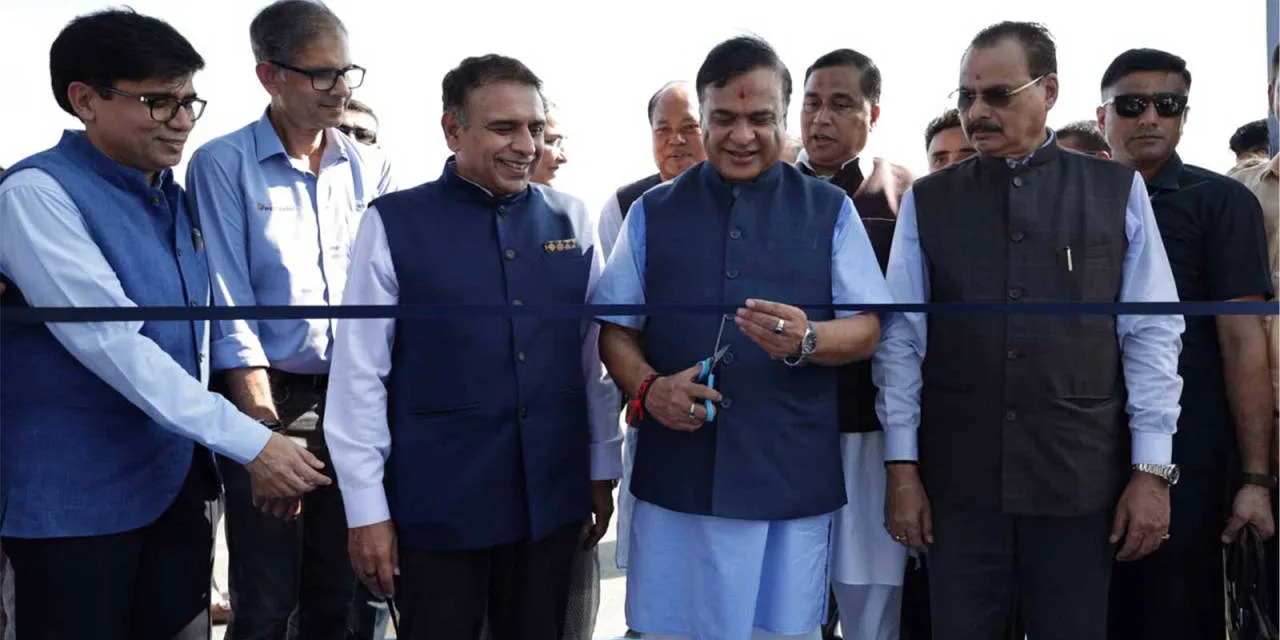
September 2026: PepsiCo India has inaugurated a ₹778 crore ($81.5 million) potato chips manufacturing plant at Banekuchi in Assam’s Nalbari district, strengthening its manufacturing network and creating new opportunities for potato farmers in the northeastern region. Inaugurated by Assam Chief Minister Himanta Biswa Sarma on September 10, 2026, the facility is the company’s fifth manufacturing plant in India and marks a major addition to the state’s food processing sector.
The investment comes as PepsiCo looks to expand its manufacturing capacity and supply chain in India. Jagrut Kotecha, CEO of PepsiCo India and South Asia, said the company expects India to enter its list of the top 10 global markets in the coming years, driven by rising consumption and continued investment in manufacturing.
PepsiCo has outlined plans to invest around ₹5,700 crore by 2030 to expand capacity and strengthen its regional presence. Kotecha described India as one of the company’s most promising markets and reaffirmed its long-term commitment to the country.
Boost to Assam’s Food Processing Sector
The Nalbari plant represents a significant step in Assam’s efforts to attract investment in food processing and build stronger links between agriculture and industry. The foundation stone was laid on September 6, 2023, and the project was completed within three years.
Speaking at the inauguration, Chief Minister Himanta Biswa Sarma said the facility would directly benefit thousands of farmers and create employment opportunities for local residents. He also highlighted the potential for Assam-grown potatoes to supply the plant, helping strengthen the state’s agricultural value chain.
Sarma said the chips manufactured at Banekuchi would reach markets across India under the identity of “Made in Banekuchi, Nalbari, Assam”, raising the profile of the state as a manufacturing destination.
The plant has created more than 200 direct jobs and around 500 indirect employment opportunities. Women account for approximately 75% of the workforce, while about 120 women have received specialised training in digital skills.
Spread across approximately 120 bighas, the facility is expected to support local economic activity through employment, procurement, transport, storage and other services linked to potato processing.
Cold Storage and Local Potato Sourcing
Reliable raw material supply is essential for potato chips manufacturing, as the quality of potatoes affects processing yield, colour, texture and finished-product consistency. To support year-round operations, Ross Food Chain Solutions has established a cold storage facility with a capacity of 10,000 metric tonnes. The project involved an investment of ₹35 crore ($3.7 million) and has generated 45 direct and 150 indirect jobs.
According to Sarma, PepsiCo currently requires around 30,000 metric tonnes of potatoes annually, with demand expected to increase to 70,000 metric tonnes by 2030. Farmers in Nalbari, Kamrup and Darrang districts are expected to be encouraged to grow specialised potato varieties suited to chips production.
PepsiCo plans to procure locally grown potatoes at predetermined prices, giving participating farmers greater clarity on market access and potential returns. The initiative could also help reduce dependence on supplies transported over longer distances, provided local production meets the required quality, volume and seasonal supply needs.
The Assam government plans to support farmers through crop insurance arrangements and Kisan Credit Cards to help them purchase improved seeds. A tripartite agreement involving the state government, PepsiCo and State Bank of India is intended to support this effort. Additional financial assistance and subsidies for farmers are also under consideration.
For the initiative to deliver lasting benefits, farmers will need access to suitable planting material, agronomic guidance and reliable procurement arrangements. Potato varieties for industrial processing must meet specific requirements for dry matter, reducing sugars, size and storage performance. Consistent quality will be important for both farmer returns and plant efficiency.
PepsiCo Expands Its Indian Manufacturing Network
The Nalbari investment forms part of PepsiCo’s broader plans to strengthen its manufacturing footprint and supply chain in India. Rising demand for packaged snacks and the need for efficient regional distribution are encouraging food companies to expand production closer to key agricultural and consumer markets.
Commenting on the inauguration, Kotecha said Assam’s agricultural base, improving infrastructure and growing economic importance made it a suitable location for the company’s next phase of expansion. He added that the investment would support activity across the value chain, including farming, local businesses, employment and skills development.
The plant also highlights the role of food processing investment in linking agricultural production with organised procurement and large-scale manufacturing. For Assam, the project offers an opportunity to develop specialised potato cultivation, improve post-harvest handling and expand supporting services such as cold storage and logistics.
The inauguration was attended by Assam Finance Minister Jayanta Malla Baruah, Skill, Employment and Entrepreneurship Minister Biswajit Daimary, MLAs Chandramohan Patowary, Narayan Deka and Taranga Gogoi, PepsiCo India and South Asia CEO Jagrut Kotecha, senior government officials, project representatives and more than 1,000 local farmers.
As operations expand, the plant’s longer-term impact will depend on the growth of local potato production, the reliability of farmer procurement systems and the development of an efficient supply chain. If these elements develop as planned, the investment could strengthen Assam’s position in India’s food processing sector while creating new opportunities for farmers and local enterprises.

Have a news or topic to share with industry? Write to us editorial@pfionline.com