
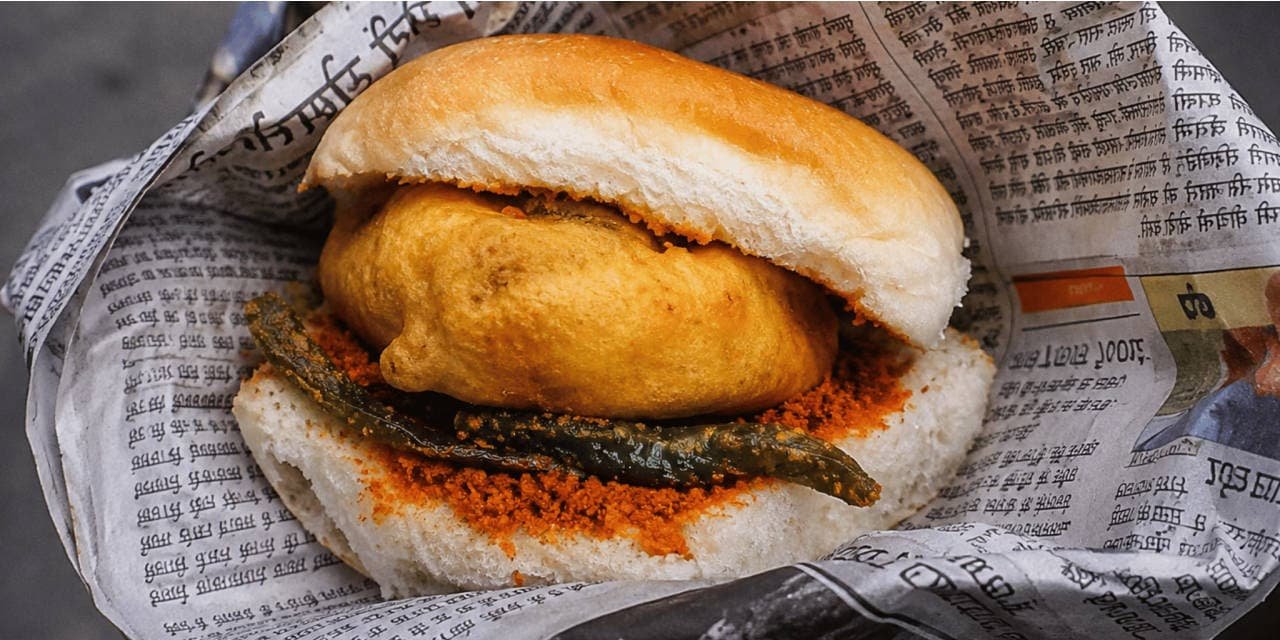
FSSAI has renewed its warning against newspaper food wrapping after a Mumbai vendor was found using newspapers to serve food. The regulator cites risks from toxic inks, heavy metals, and microbial contamination.
The Food Safety and Standards Authority of India (FSSAI) has renewed its warning against newspaper food wrapping after a recent incident in Mumbai brought the long-standing food safety concern back into the spotlight.
The fresh directive follows reports that a popular vada pav vendor in the city was allegedly using newspapers to wrap and serve food. After the violation came to light, officials from FSSAI’s Western Region and the Brihanmumbai Municipal Corporation (BMC) conducted a joint inspection and initiated appropriate action.
On June 5, 2026, ahead of World Food Safety Day on June 7, FSSAI reiterated its prohibition on newspaper food wrapping, serving, packing, and storing food in newspapers. The regulator used the occasion to highlight a critical yet often overlooked public health issue and urged greater compliance across the food service sector.
Authorities noted that the Mumbai incident was not an isolated case. Similar instances of newspaper food wrapping have been reported in other locations, prompting FSSAI to intensify awareness efforts and call on all food business operators – including street vendors, cloud kitchens, caterers, quick-service restaurants (QSRs), mobile food vendors, and petty retailers – to immediately adopt safer packaging alternatives.
The regulator expressed serious concern about the continued practice of newspaper food wrapping and the health risks associated with it.
“The ink used in newspapers contains various bioactive materials with known negative health effects, which can contaminate food and lead to health issues when ingested,” FSSAI cautioned. The authority further noted that printing inks may contain harmful substances, including lead and other heavy metals, which can migrate into food and pose long-term health risks.
Beyond chemical contamination, FSSAI highlighted the microbiological risks linked to newspaper food wrapping. During printing, storage, transportation, and distribution, newspapers are exposed to various environmental conditions that may result in contamination by bacteria, viruses, and other pathogens. These contaminants can transfer to food and potentially cause food-borne illnesses.
The regulator pointed to the Food Safety and Standards (Packaging) Regulations, 2018, which clearly state: “Newspaper or any such material shall not be used for storing and wrapping of food.”
Under these regulations, newspapers must not be used to wrap, cover, serve food, or absorb excess oil from fried products. Emphasising the importance of food safety, FSSAI urged vendors and food businesses to eliminate newspaper food wrapping practices and adopt approved food-grade packaging materials instead.
The authority also called upon consumers, food vendors, and stakeholders nationwide to immediately discontinue newspaper food wrapping and switch to compliant food-grade packaging solutions that safeguard consumer health.
For millions of Indians who depend on affordable street food, the implications are significant. Vulnerable groups – including children, older adults, pregnant women, and individuals with weakened immune systems – face elevated risks from exposure to contaminants. Long-term exposure to lead and other toxic substances linked to newspaper food wrapping can affect cognitive development, kidney function, and overall health, while microbial contamination can contribute to food-borne illnesses and gastrointestinal diseases.
| ALSO READ: FSSAI Compliance: 5 Step Guide for Food Businesses in India
| ALSO READ:
Public health experts note that while occasional exposure may appear insignificant, the cumulative impact of repeated consumption over time remains a concern. The warning against newspaper food wrapping aligns with FSSAI’s broader mandate to protect consumers through science-based food safety practices.
Although street vendors and small food businesses often cite cost and convenience as reasons for continuing the practice, FSSAI maintains that safer alternatives such as food-grade butter paper, approved wrapping materials, and stainless-steel containers are essential investments. While these options may involve higher upfront costs, they help strengthen consumer trust, improve food safety standards, and support long-term business sustainability.
As awareness campaigns expand across states, regulators are focusing not only on enforcement but also on education, encouraging food businesses to transition away from newspaper food wrapping and adopt safer, compliant packaging practices.
ALSO READ: Food Safety Failures in India: Regulatory Gaps, Adulteration Trends, and the Way Forward

Have a news or topic to share with industry? Write to us editorial@pfionline.com