
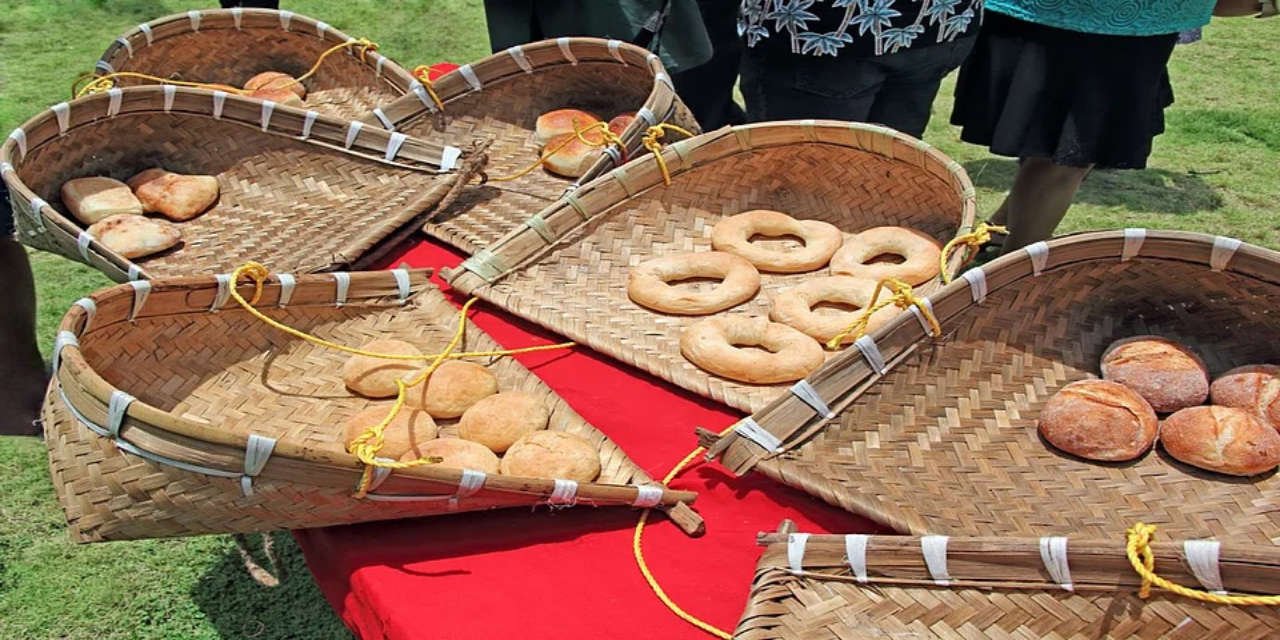
Goa has applied for a Geographical Indication tag for its traditional breads – pao, poie and undo – to preserve heritage baking practices and boost branding and exports.
Traditional Goan breads such as pao, poie and undo are set to receive greater recognition, with the Goa State Council for Science and Technology filing an application for a Geographical Indication (GI) tag for the products. According to officials, the proposed GI certification is aimed at preserving the traditional methods used in preparing these iconic breads while also strengthening their branding and market value.
“The GI certification will help in two ways. It will conserve the traditional practices in preparing these breads and promote their marketing and branding. Consumers will also feel assured about quality. The benefit of better pricing will be passed on to producers,” said Deepak Parab, nodal officer at the Patent Information Centre under the Goa State Council for Science and Technology. Parab added that the application for a combined GI tag for the traditional bread varieties was filed last month.
The GI certification is also expected to support traditional bakeries in complying with standards laid down by the Food Safety and Standards Authority of India (FSSAI) and other regulatory norms. In addition, the recognition could create export opportunities, particularly in European countries and Gulf nations where a large Goan diaspora resides.
The origins of pao in Goa date back to the Portuguese colonial period, when Portuguese settlers introduced bread-making techniques to the region. Over time, local bakers mastered the craft, with many later migrating to cities such as Mumbai and establishing bakeries there.
Even today, several traditional bakeries across Goa continue to follow age-old baking methods passed down through generations. Traditionally, these breads are fermented using toddy, a locally sourced palm sap that imparts a distinct flavour, mild sweetness, and aroma. However, due to changing circumstances, some bakeries have shifted to commercial yeast.
Agapito Menezes, president of the All Goa Bakers Association, highlighted the challenges faced by traditional bakeries, particularly the declining availability of toddy and rising production costs. The shortage of toddy is largely attributed to the decreasing number of toddy tappers in the state. As a result, only a limited number of bakeries, especially in areas such as Margao, continue to use it in the traditional manner. “We cannot stock and use old toddy; it has to be used that day itself,” Menezes said from Divar Island near Panaji.
Goa currently has around 800 bakeries and confectionery units, of which nearly 700 produce traditional bread varieties. However, industry observers note that many traditional bakeries have changed ownership over time, with several being acquired by migrants from states such as Uttar Pradesh and Bihar.
There are also concerns about changing production practices. Traditional breads such as poie were historically made using whole wheat flour, but some bakeries have increasingly incorporated maida (refined flour), which critics believe affects both quality and authentic taste.
Goa has already secured GI registrations for nearly 15 products, including Goan Khajem, Cashew Feni, Goan Bebinca, Khola Chilli, Mancurad Mango, Agasaim Brinjal, Harmal Chilli, Myndoli Banana, Seven Ridge Okra, Goa Cashew Kernel, Goa Cashew Apple, Mussarad Mango, Hilario Mango, Khorgut Rice, and Taleigao Brinjal.

Have a news or topic to share with industry? Write to us editorial@pfionline.com