Himachal Pradesh partners with NDDB through three MoUs to boost dairy infrastructure, introduce ERP systems, and enhance farmer incomes with higher milk procurement prices.
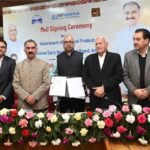
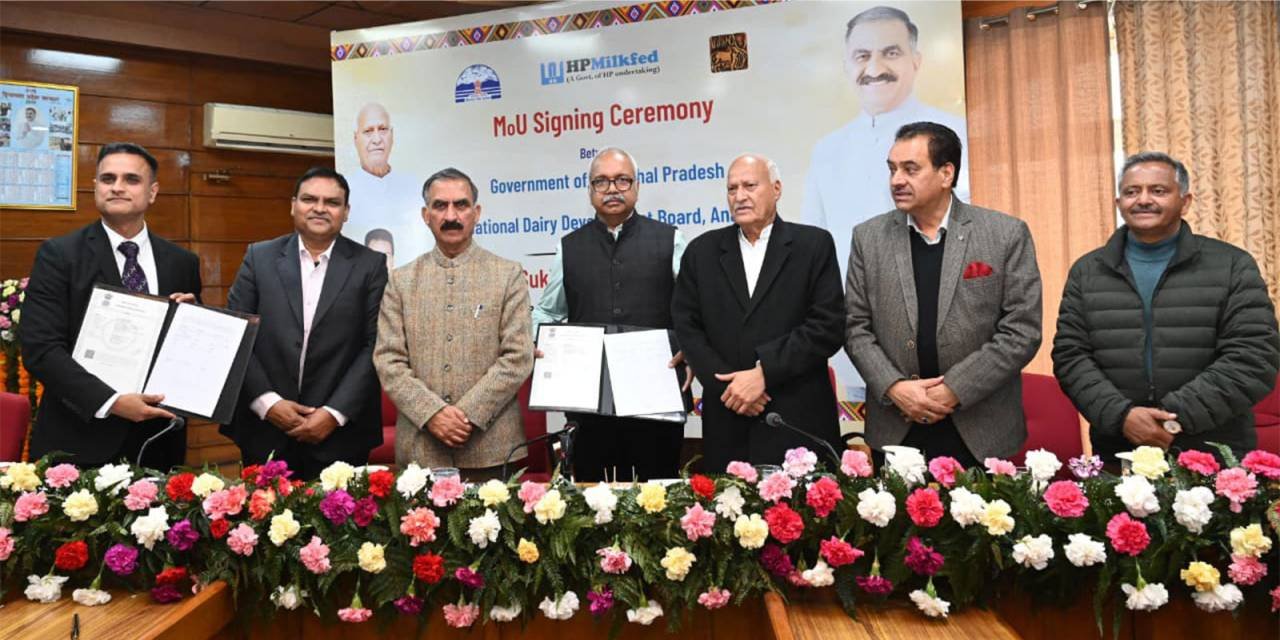
The Government of Himachal Pradesh and the National Dairy Development Board (NDDB), on 16 March, 2026, signed three Memorandums of Understanding (MoUs) in the presence of Chief Minister Sukhvinder Singh Sukhu, marking a significant push to strengthen the state’s dairy sector.
The agreements were signed by Secretary (Animal Husbandry) Ritesh Chauhan and Managing Director of Himachal Pradesh State Cooperative Milk Producers Federation (Milkfed) Abhishek Verma on behalf of the state, while NDDB Chairman Dr. Meenesh Shah signed on behalf of the Board, a release said.
The first MoU provides for the formation and operationalisation of the Kangra Milk Union. The second covers the establishment of two milk processing plants—each with a capacity of 20,000 litres per day—at Nahan in Sirmaur district and Nalagarh in Solan district, along with two milk chilling centres of similar capacity at Jalari in Hamirpur district and Jhalera in Una district. The third agreement focuses on the implementation of Enterprise Resource Planning (ERP) software in Milkfed.
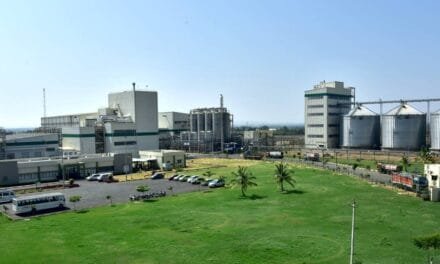
In a major infrastructure initiative, a fully automated milk processing plant with a capacity of 1.5 lakh litres per day is being set up at Dhagwar in Kangra district at an investment of ₹250 crore, with provision for expansion to 3 lakh litres per day. The proposed Kangra Milk Union will integrate Kangra, Una, Hamirpur and Chamba districts, enhancing milk collection, processing and marketing systems across the region.
To improve operational efficiency and transparency, ERP software will be introduced to digitise processes such as milk procurement, quality testing, production, storage and distribution. The system will also enable structured record-keeping of milk producers and facilitate timely, transparent payments, while strengthening production planning, inventory control and supply chain monitoring.
Addressing the gathering, the Chief Minister said that strengthening the rural economy has been a priority since the formation of the current government. He emphasised that the dairy sector remains central to this strategy, with ongoing reforms aimed at ensuring direct financial benefits to farmers.
He further noted that the commissioning of the Dhagwar plant will support the launch of high-quality dairy products under the ‘Him’ brand, improving market competitiveness and farmer returns. He added that when the quality of products improves, the rural economy will become stronger and farmers will receive better returns for their hard work. The state government plans to invest approximately ₹300 crore in establishing additional processing units across Himachal Pradesh.
Highlighting procurement reforms, the Chief Minister said the state now offers the highest support price for milk procurement in the country. Prices for cow milk have been raised from ₹32 to ₹51 per litre, and for buffalo milk from ₹47 to ₹61 per litre.
Under the Dugdh Protsahan Yojana, farmers transporting milk to procurement centres receive an incentive of ₹3 per litre, while the transport subsidy has been increased by ₹1.50 per litre. These measures aim to enhance farmer incomes while generating self-employment opportunities for rural youth.
Efforts to improve livestock welfare are also underway. Under the Gopal Yojana, financial assistance for the upkeep of cows in gaushalas and cow sanctuaries has been increased from ₹700 to ₹1,200 per month.
Agriculture Minister Chander Kumar emphasised the need to strengthen the ‘Him’ brand, suggesting that it should be positioned alongside established names such as Amul and Verka to expand market reach. He added that the Dhagwar plant is expected to be operational by October, benefiting farmers across Kangra, Una, Hamirpur and Chamba districts.
The minister also highlighted the importance of improving livestock health and promoting high-yielding dairy animals, alongside support for indigenous breeds. He noted that revenue generated through a cess on liquor is being channelled into the dairy sector, contributing to early positive outcomes.

Have a news or topic to share with industry? Write to us editorial@pfionline.com