
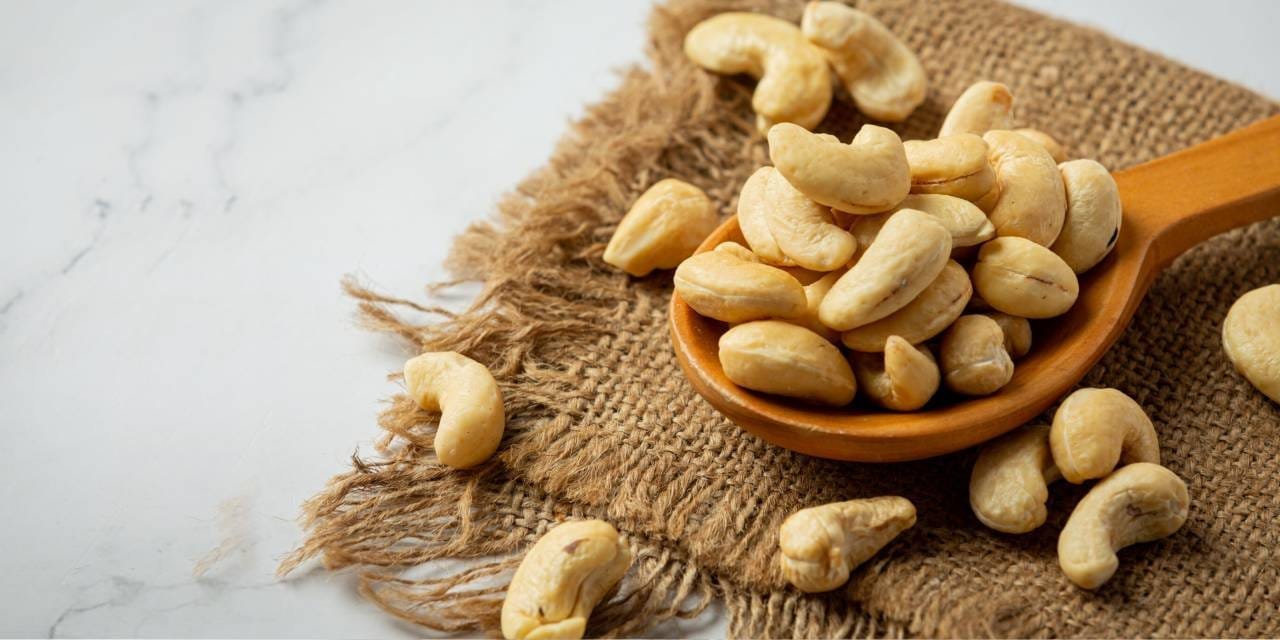
The All India Cashew Association has urged the Commerce Ministry to act against rising illegal imports of cashew kernels, warning of factory shutdowns, consumer deception, and threats to over 10 lakh livelihoods.
The All India Cashew Association (AICA) has urged the Union Commerce Ministry to intervene urgently to safeguard the domestic cashew processing sector amid a sharp rise in illegal imports of cashew kernels.
In a letter addressed to Commerce Secretary Rakesh Agrawal, AICA Secretary M. Ramakrishnan said the industry is facing severe stress due to abnormally high raw cashew prices, coupled with sluggish domestic demand for kernels. This combination, he noted, has rendered cashew processing economically unviable for a large number of units across the country.
According to the association, a major contributor to weak domestic demand is the large-scale illegal import of cashew kernels. These consignments are reportedly entering India through deliberate misdeclaration of Harmonised System of Nomenclature (HSN) codes, with kernels being falsely declared as animal feed, cashew husk, or other unrelated products. A new and growing trend involves plain cashew kernels being misdeclared as “roasted cashews” to exploit lower or nil import duties.
Mr. Ramakrishnan said the domestic market is increasingly being flooded with kernels originating from Vietnam and African countries. He added that Special Economic Zones (SEZs) are also being misused to channel such imports into the domestic market.
“These illegally imported kernels are often sold as Indian produce, misleading consumers, raising food safety concerns, and damaging the reputation of Indian cashew kernels,” he said. While these imports are priced lower, their quality is inferior to domestically processed kernels, he added.
The association warned that if the situation continues unchecked, it could lead to large-scale factory shutdowns in the labour-intensive cashew sector, threatening the livelihoods of more than 10 lakh women workers across India.
Highlighting cost pressures, Mr. Ramakrishnan noted that raw material prices have increased by nearly 20–25 per cent in rupee terms, while domestic selling prices have remained largely stagnant. This imbalance has pushed many processors and traders into losses, forcing them to sell below cost merely to maintain cash flow and clear inventory.
As retail prices gradually rise to reflect higher production costs, domestic demand has weakened further. Compounding the problem, finished cashew kernels imported from Africa and Vietnam are allegedly being misdeclared as cattle feed or husk to evade import duties of 25–30 per cent.
The association also pointed to a significant increase in imports from Vietnam being misdeclared as roasted cashews to avail nil duty, stating that the trend is beginning to have a visible impact on the domestic market. The rise in such consignments has prompted the association to seek immediate remedial action from the government.
AICA has urged the Commerce Ministry to ensure stricter verification of HSN codes, strengthen customs inspections at ports, and prevent misuse of SEZs. It has also called for measures to protect consumers from mislabelled and substandard products, and to ensure fair trade practices that safeguard domestic cashew processors.

Have a news or topic to share with industry? Write to us editorial@pfionline.com