Explore honey’s composition, ancient history, cultural importance, and scientifically backed therapeutic benefits across nutrition, medicine, and tradition. Honey could be considered a natural therapeutic agent for various medicinal purposes, explains Gulzar Ahmad Nayik.
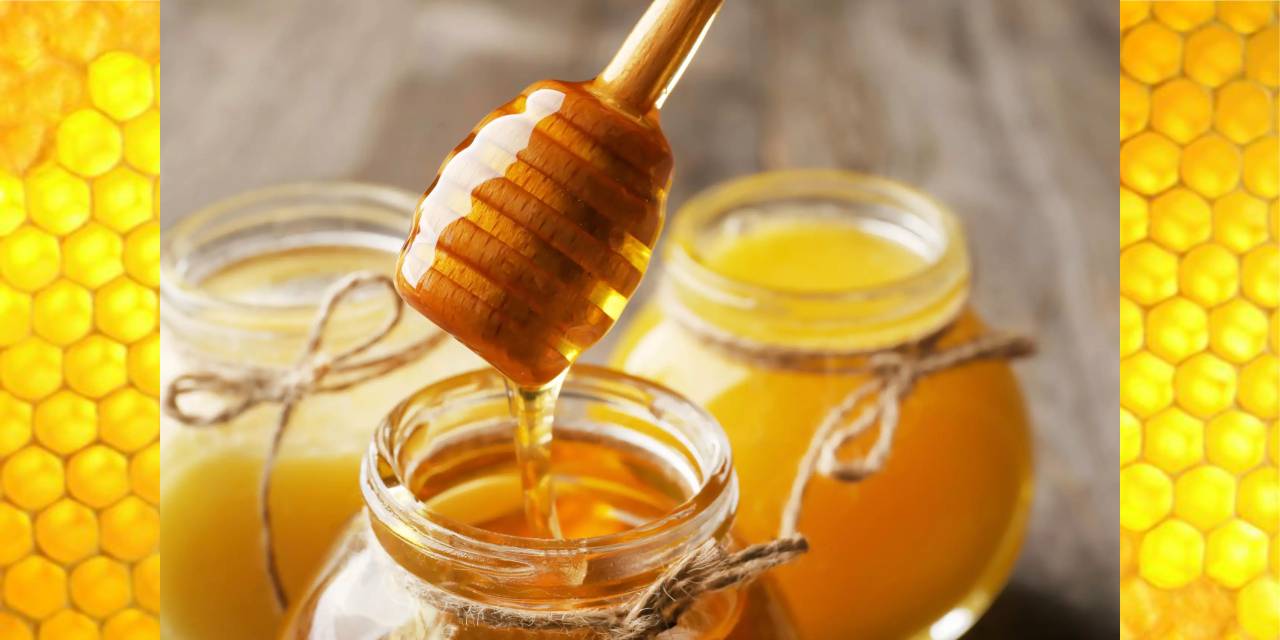
HONEY, the wonderfully rich golden liquid, is the miraculous product of honey bees and a naturally delicious alternative to sugar. According to the Codex Alimentarius (2001), honey is a natural sweet substance produced by honey bees either from plant nectar (nectar or blossom honey) or from secretions on living plant parts and excretions of plant-sucking insects (honeydew honey). Bees collect these materials, enrich them with their own enzymes, deposit and dehydrate them, and finally store them in the honeycomb to ripen and mature. Carbohydrates are the dominant molecules comprised of a complex mixture of about 70% monosaccharides (mainly glucose and fructose) and 10-15% disaccharides.
Besides this, it also contains certain minor but important constituents viz. proteins, enzymes (diastase and invertase), organic acids (gluconic acid, acetic acid, etc.), vitamins (B2, B3, B5, B6, and B9), volatile chemical compounds, phenolic acids, flavonoids, and minerals. Honey has been found to contain significant antioxidant activity due to the presence of both enzymatic (diastase and invertase) and non-enzymatic substances (phenolic acids, flavonoids, amino acids, and organic acids)
As discussed in various religious books a long time ago, the intake of honey as food and medicine resulted in high nutritional benefits and therapeutic promise. As human beings, we must acknowledge and accept the saying in various religions.
History of Honey
It is believed that the history of honey dates back 10 to 20 million years, and the practice of beekeeping to produce honey, apiculture, dates back at least 700 BC. History reveals that raw honey is the world’s oldest sweetener, used for several million years. Honey is widely accepted across ages, and its use transcends barriers of ethnicity and culture. All religious and cultural beliefs embrace the use of honey. Honey is a beneficial nutritional liquid written in all scriptures or holy books and accepted by all generations, traditions, and civilisations, both ancient and modern, without any barrier.
From its ancient history and cultural significance across religions to its scientifically proven antimicrobial, anti-inflammatory, and medicinal properties, honey remains a globally valued natural sweetener
Honey in Scriptures
More than 1,400 years ago, Allah and his messenger Prophet Mohammad (PBUH), told us that honey could heal various medical problems. In Islam, there is an entire surah in the Holy Quran called al-Nahl (the Honey Bee). According to hadith, Prophet Muhammad (PBUH) strongly recommended honey for healing purposes. The holy Quran promotes honey as nutritious and healthy food. Allah says in about honey in Quran, “And your Lord inspired the bee, saying: Take your habitations in the mountains and the trees and in what they erect.
In Hinduism, honey (Madhu) is one of the five ingredients of Panchamrit, “the five Nectars,” the other four are ghee, milk, sugar, and buttermilk. In temples, honey is poured over the deities in a ritual called Madhu abhisheka. When a child is born in a Hindu family, “Jatakarma” is performed to welcome the child into the new family by putting some drops of honey in the child’s mouth and whispering the name of God in the child’s ear. As per honey in Rigveda: “This herb, born of honey, dripped in honey, sweetened by honey, is the remedy for all injuries.”
In Judaism, honey marks the symbol of a new year called Rosh Hashanah. On that day, Jews dip the apple slices in honey and eat it to bring a sweet new year.
Buddhists in India and Bangladesh celebrate Madhu Purnima. On Madhu Purnima, Buddhists gave honey to monks. In Christendom, references are made to the importance of bees and honey in Bible, including the Books of Exodus, Judges, Mathew, and Proverbs.
Honey is an excellent ergogenic aid and can boost the performance of athletes. Honey helps maintain blood sugar levels, muscle recuperation, and glycogen restoration after a workout. During the ancient Olympics, athletes ate honey and dried figs to enhance their performance.

Key Facts About Honey
- Honey is a miracle food: it never spoils when kept in the right conditions. It was reported that archaeologists found 2000 year old jars of honey in Egyptian tombs, and they still tasted delicious. The unique chemical composition of low water content and relatively high acidic levels in honey creates a low pH (3.2-4.5) environment that makes it very unfavourable for bacteria or other micro-organisms to grow. Thus, “Best Before Dates” on honey buckets indicating honey shelf life does not seem to be very important after all.
- Honey is good for the environment and economy. The environment depends on the pollination that occurs when honey bees gather nectar. Bees pollinate $20 billion worth of U.S. crops each year, and approximately one-third of all food eaten by Americans is directly or indirectly derived from honey bee pollination.
- The ingredients of honey have been reported to exert antioxidant, antimicrobial, anti-inflammatory, antiproliferative, anticancer, and antimetastatic effects. Many evidence suggests the use of honey in the control and treatment of wounds, diabetes mellitus, cancer, asthma, cardiovascular, neurological, and gastrointestinal diseases.
- Honey can help control cholesterol levels and type II diabetes. In a series of experiments involving healthy subjects and those with high cholesterol or type II diabetes, honey has proved itself the healthiest sweetener.
- Honey is an all-natural sweetener, and it has a lower glycemic index than other sugars. It may promote better blood sugar control. Our body tolerates honey better as compared to sugar. It is less likely to cause a spike in blood glucose due to lower glycemic index — GI value. Honey glycemic index ranges from 31 to 64, depending on the variety. Floral honeys have a lower GI which can have less effect on blood glucose and insulin levels which means people with diabetes can eat them. Researchers have often proposed this, but the amounts used in testing are modest.
- Honey is an excellent ergogenic aid and can boost the performance of athletes. Honey helps maintain blood sugar levels, muscle recuperation, and glycogen restoration after a workout. During the ancient Olympics, athletes ate honey and dried figs to enhance their performance.
In conclusion, honey could be considered a natural therapeutic agent for various medicinal purposes. Sufficient scientific evidence recommends using honey as an alternative treatment for clinical conditions ranging from wound healing to cancer treatment.
@The author is a faculty member (working on academic arrangement basis) in Govt. Degree College Shopian, J&K.
| Also Read: Regional Honey Testing Labs Recommend

Have a news or topic to share with industry? Write to us editorial@pfionline.com