
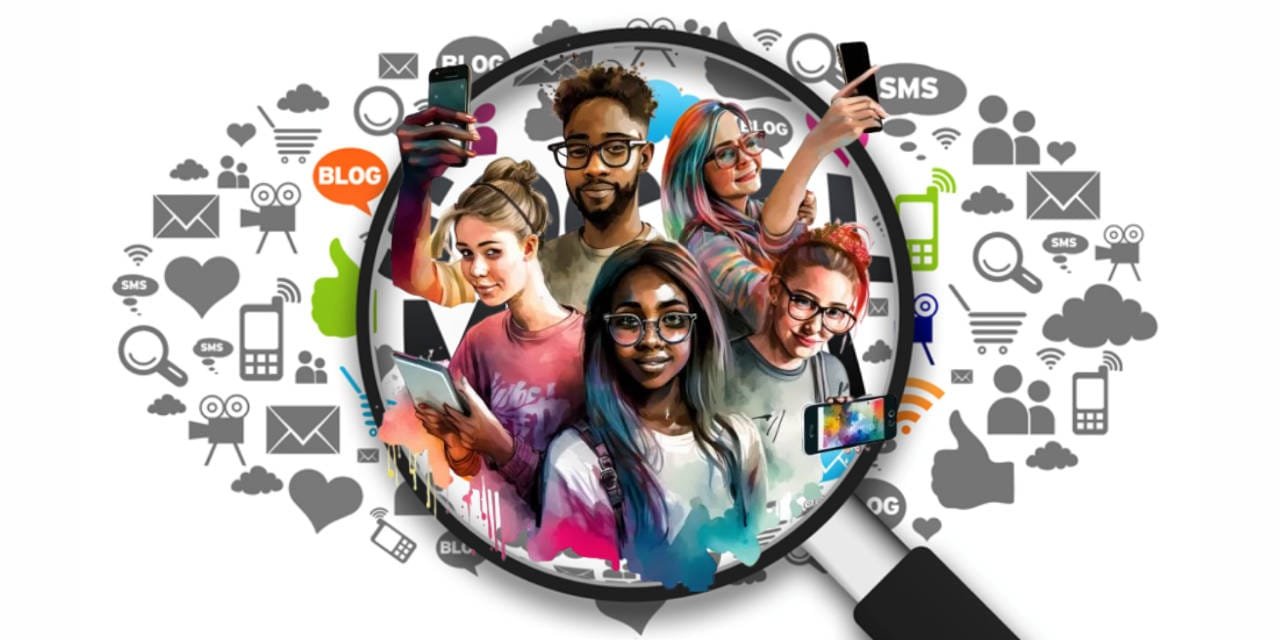
How social media influences dietary choices, nutrition awareness and misinformation, highlighting the need for credible, science-based guidance, ILSI India’s monograph examines.
Social Media has emerged as a significant factor influencing dietary choices, providing global audiences with Easy Access to Information about nutrition through various Platforms. They connect users with health experts, influencers, and organizations, raising awareness about healthy living.
With billions of active participants, these platforms play a crucial role in sharing important health information and promoting positive changes in eating behaviors. Recent Survey has revealed that India had around 862.08 million Social Media Users in 2023. India is country with Second Largest Number of social media user in the world. Most users of prominent platforms are in the age group of 18-34 years.
Titled “Scrolling to Health: Evaluating Nutrition Guidance on Social Media – An Update from Students”, the Monograph is based on Entries received from students for an Essay Writing Competition on this topic held during National Nutrition Month.
Dr. B. Nandi, Chairman, ILSI India observes that, “When utilized wisely, social media can serve as an important tool for public education, supporting evidence-based practices, and enhancing overall health outcomes. Its capacity to both inform and mislead signifies a double-edged sword, highlighting the importance of carefully navigating online content.”
A recent survey has revealed that India had 862.08 million social media users as of 2023, which equals 59.90% of the country’s population. India is also the country with the second-largest number of social media users in the world. China tops the list with 1.07 billion users. The United States is on the third spot with 308.3 million users.
It is expected that around 1.3 billion Indians will use social media platforms by 2029 and will lead the list pushing China to the second spot with 1.27 billion users. 1.24 billion people in India are on the internet as of 2024.
That means 69.5% of Indian internet users are also expected to use social media. Reports from GWI suggest that an average social media user visits around 6.7 different social platforms every month. They also spend around 2 hours and 20 minutes daily on these platforms.
This Report presents detailed analysis, evaluates the challenges posed by misinformation on social media, its effects on various age groups, and strategies for promoting credible, science-based nutrition guidance. The insights provided are intended to empower individuals, professionals, and policymakers to effectively navigate and reduce the risks associated with unverified contents encountered online.
The Monograph Addresses the Complex Intersection of Nutrition Information and The Rapidly Evolving Digital Landscape. The Younger Generation shared their insights on:
- Importance of Evidence Based Information on Social media,
- Risk of Misinformation or False Information on social media,
- How to Look for Evidence Based Information on social media and
- Steps to be taken for ensuring that Only Science Based Information are on the Social Media.
Dr. B. Sesikeran, Chairman, K-FFIG informs that, “This compilation is a step towards fostering a Digital Environment where Evidence-Based Knowledge is Prioritized, leading to more Informed Public Health Decisions and the Promotion of Overall Societal Well-Being.”
This compilation is a step towards fostering a digital environment where evidence-based knowledge is prioritized, leading to more informed public health decisions and the promotion of overall societal well-being.
For more information download the Monograph from: https://surl.li/yhlmdo

Have a news or topic to share with industry? Write to us editorial@pfionline.com