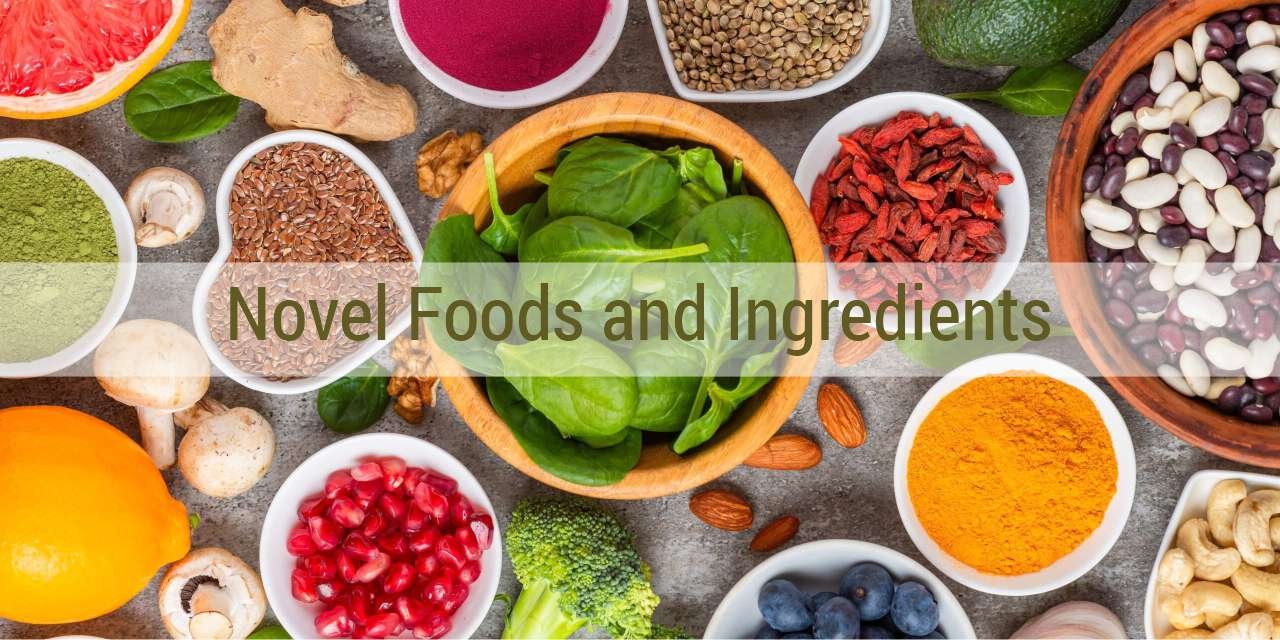
ILSI India explores how India’s traditional knowledge can be integrated into modern food safety and regulatory frameworks using Traditional Knowledge in Scientific Evidence-Based Novel Foods and Ingredients.
For centuries, traditional communities in India have cultivated a profound understanding of the natural world, developing food systems that extend beyond sustenance to encompass healing, wellness, and cultural identity. Despite this rich heritage, the vast repository of Traditional Knowledge (TK) remains underutilized within modern scientific and industrial innovation, particularly in the context of globalized food systems and stringent regulatory frameworks.
Historically, regulatory approval for health-related products has required extensive safety, toxicological, and quality data. These processes are often time-consuming, costly, and governed by complex compliance requirements. Concerns have also been raised regarding the relevance of certain data-generation methodologies, alongside growing global advocacy for reducing or eliminating animal testing. This has accelerated interest in alternative approaches, including computational modeling for safety assessment and adverse event prediction.
In earlier regulatory paradigms, natural dietary ingredients – particularly those derived from plants and animals – were subjected to the same rigorous safety requirements as synthetic compounds, often without sufficient consideration of their long-standing human use. However, the recognition of History of Human Consumption (HoHC) and History of Safe Use (HoSU) marked a significant shift.
A notable milestone was the European Union’s Traditional Herbal Medicinal Products Directive, which acknowledged documented historical use (30 years globally or 15 years within the EU) as a valid basis for regulatory evaluation. This approach streamlined approval processes, reducing the need for extensive new data and focusing instead on targeted safety bridging studies. Similar frameworks have since been adopted, with variations, across multiple jurisdictions.
India stands uniquely positioned in this domain, possessing extensive and well-documented HoHC and HoSU data. Classical systems describe not only dietary practices (aahara) and medicinal formulations (dravya), but also holistic frameworks encompassing health maintenance, purification processes, and mental and spiritual well-being.
Given this foundation, there is a critical need to systematically identify, document, and validate traditional knowledge. This includes integrating historical usage data with contemporary scientific evidence from in vitro, in vivo, and human intervention studies. While existing frameworks such as Generally Recognized as Safe (GRAS) and Qualified Presumption of Safety (QPS) offer structured safety assessments, they often lack incorporation of historical usage data – highlighting a key gap that must be addressed.
In this context, ILSI India’s Knowledge Centre on Functional Foods, Immunity, and Gut Health (K-FFIG) has developed a Guidance Document on the Use of Traditional Knowledge in Scientific Evidence-Based Novel Foods and Ingredients. This document provides a structured framework for responsibly integrating traditional knowledge into modern food science, innovation, and regulatory systems.
What the Guidance Document Offers
- A systematic approach for documenting and validating traditional food practices
- Guidance for regulators, researchers, and industry stakeholders on incorporating TK as supporting evidence in novel food applications
- Mechanisms to ensure that TK-based claims meet rigorous safety and scientific standards
- A scientific framework for establishing HoSU documentation and demonstrating chemical equivalency between traditional preparations and proposed products
- Legal guidance on intellectual property rights, benefit-sharing, and protection against misappropriation of traditional knowledge
- Pathways for TK-based products to access global markets with scientific credibility
- Harmonization strategies to ensure consistent recognition of TK across regulatory jurisdictions
Key Contributions of the Guidance Document
Dr. D. B. Narayana, Chief Scientific Officer at Ayurvidye Trust and an expert reviewer of the document, emphasized the depth of India’s knowledge systems. He highlighted classical treatises such as the Charaka Samhita, which articulate a continuum from food (anna) to therapeutic food (anna-aushadhi) to medicine (aushadhi), reflecting an integrated approach to physical, mental, and spiritual health.
With increasing global interest in functional foods and nutraceuticals – particularly in addressing immunity, gut health, inflammation, and oxidative stress – the translation of traditional knowledge into robust scientific evidence has become essential.
Dr. B. Sesikeran, Chairman of ILSI India K-FFIG, noted that the central challenge lies in aligning holistic, often orally transmitted traditional practices with the stringent, evidence-based requirements of regulatory authorities such as FSSAI, CDSCO, EFSA, and the US FDA. He emphasized that the guidance document provides a practical and structured pathway to bridge this gap, ensuring that innovation remains both scientifically validated and ethically grounded.
He further underscored that harmonizing traditional wisdom with modern scientific rigor can foster innovation that is safe, credible, and culturally rooted – ultimately advancing evidence-based nutrition for public health.
The guidance document is designed to support:
- Regulatory officials and scientific panels in evaluating TK-based dossiers
- Manufacturers and product developers working with traditional ingredients
- Research institutions and academic bodies conducting validation studies and generating HoSU documentation
- Traditional knowledge holders, enabling informed participation in innovation ecosystems and benefit-sharing negotiations
The document was developed with contributions from experts including Dr. Harsha Hegde and Dr. Banappa S. Unger of the ICMR-National Institute of Traditional Medicine, Belagavi.
The Guidance Document can be downloaded from : https://shorturl.at/8UKgt
About ILSI India
ILSI India is part of the International Life Sciences Institute (ILSI), headquartered in Washington, DC, USA. Based in New Delhi, it is a scientific, non-profit organization providing research-based inputs and secretariat support across the South Asian region. Its Knowledge Centre on Functional Foods, Immunity, and Gut Health (K-FFIG) functions as a multidisciplinary think tank, bringing together stakeholders from government, academia, and industry to advance research and innovation in human microbiome science and functional foods.

Have a news or topic to share with industry? Write to us editorial@pfionline.com