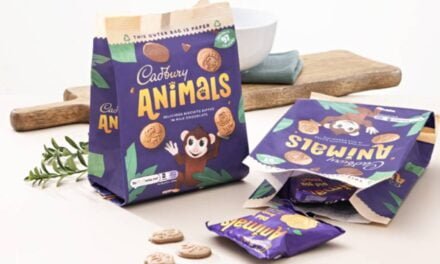

Green plastics and bioplastics offer renewable and biodegradable packaging alternatives to conventional food packaging. Arun Prasath Venugopal, Deepa Jaganathan and Aarthy Viswanath explore key materials, properties, applications and challenges.
Table of Contents
Growing concern over plastic pollution has increased interest in biodegradable and bio-based packaging materials. Packaging plays a critical role in protecting food from contamination, slowing deterioration, extending shelf life and maintaining quality and safety. Conventional polyethylene and copolymer-based materials have served these functions effectively for decades because they are safe, inexpensive, versatile and flexible. However, most conventional plastics are petroleum-derived, designed for disposal and difficult to biodegrade, while only a limited proportion is recycled. For further insights into sustainable packaging methods, read about innovative ideas for single-use plastic substitution and biodegradable packaging potential and prospects.
Biodegradable polymers offer one possible approach to reducing the environmental impact of plastic waste. These materials can be produced from renewable resources and, depending on their composition, can degrade under suitable conditions. Biopolymers also support material cycles that are closer to natural biological systems. Their wider adoption could reduce dependence on petroleum-based polymers while creating environmental and economic benefits. You can explore more about how sustainable food packaging is shaping the future to address these issues.
Green Plastics or Bioplastics
Green plastics, commonly referred to as bioplastics, are generally made wholly or partly from renewable biological resources. Biopolymers occur naturally in plants, animals and microorganisms and include materials such as starch, proteins, cellulose and other biological polymers. They can also be chemically synthesised from biological feedstocks such as sugars, starch, natural fats and oils. To understand more about innovative approaches in this area, you can explore the journey of green plastics and sustainable materials.
Plant starch and soy protein are among the important raw materials used to develop bioplastics. Starch-rich crops and tubers can be processed with the help of microorganisms or through other processes to produce plastic-like materials. Feedstocks such as corn, wheat and soybean have been used to produce materials based on cellulose, starch, collagen, casein, soy protein and polyesters. For further insights, read about new technologies for sustainable packaging materials.
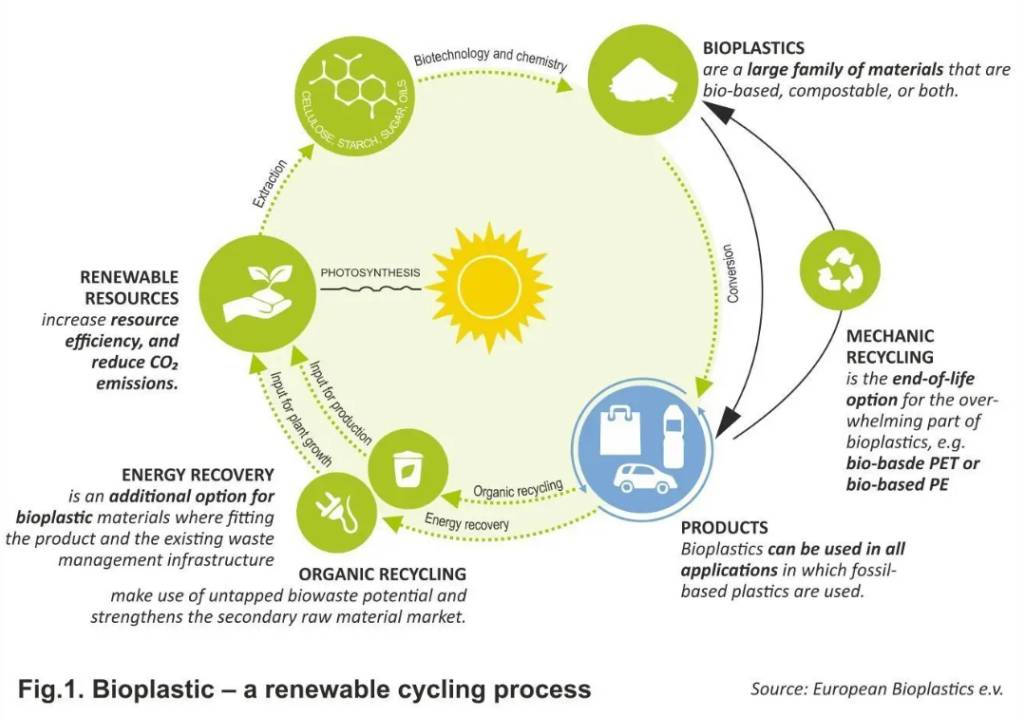
Bioplastics are processed in much the same way as other polymers, using additives and plasticisers and processes such as extrusion or thermosetting. Their environmental advantages generally relate to one or more characteristics: biodegradability, renewable raw materials and more environmentally favourable production processes. For further insights, read about new technologies for sustainable packaging materials.
Classification of Biobased Polymers
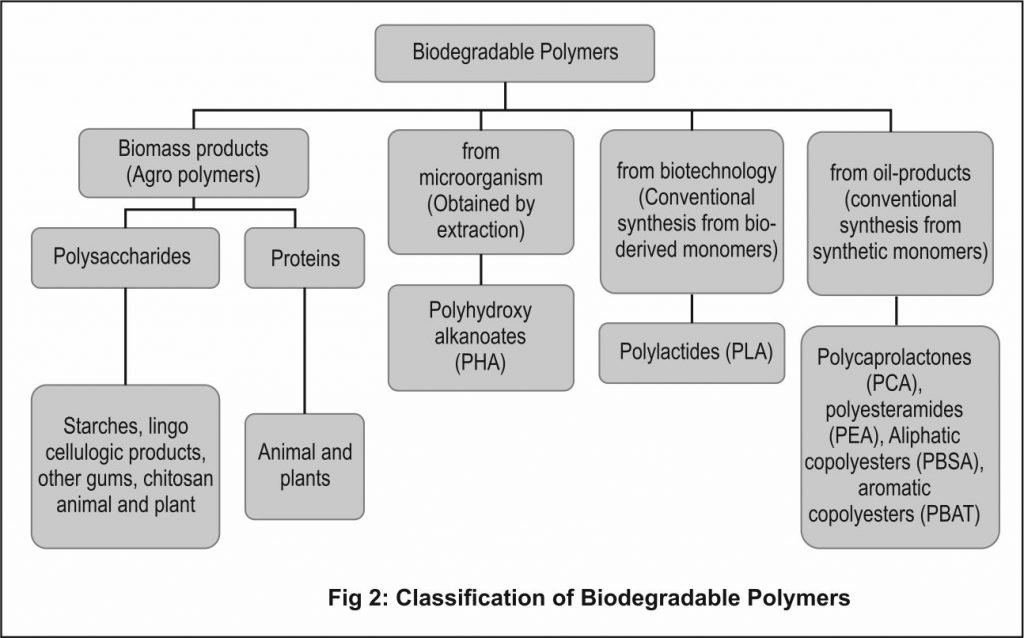
Biobased polymers can broadly be classified into three groups: polymers extracted directly from biomass; polymers produced through chemical synthesis using bio-based monomers; and polymers produced directly by natural or genetically modified organisms.
Polymers Extracted from Biomass
This group includes polymers obtained from plants, marine sources and animals. Important examples include cellulose, chitin, starch, whey protein, casein, collagen and soy protein. These materials may be used alone or combined with synthetic or bio-based polyesters such as polylactic acid (PLA).
Cellulose is one of the most widely used biomaterials in food packaging, particularly in paper, regenerated cellulose films and cellulose acetate. Hemicellulose, another abundant plant polymer, is also being investigated for food packaging applications.
Starch is particularly attractive because it is inexpensive, readily available and derived from renewable resources. Potatoes, corn, wheat and rice are important sources. Native starch can be modified through heat, mechanical energy and plasticisers such as water and glycerol to produce thermoplastic starch (TPS). TPS can be processed using continuous extrusion, similar to conventional plastics.
However, TPS has limitations, particularly its sensitivity to water vapour and relatively poor mechanical properties. Blending starch with aliphatic polyesters can improve its processing characteristics and biodegradation performance. Starch-based materials have been developed for bags, sacks, trays, containers and packaging fillers, with potential to replace conventional materials such as polystyrene and polyethylene in selected applications.
Chitin and chitosan are another important group. Chitin occurs in sources such as insect structures, shellfish shells and some fungi, while chitosan is derived from chitin. Both have been investigated for biodegradable films and edible coatings, particularly for fresh fruits and vegetables. Their antimicrobial properties against various fungi, yeasts and bacteria also make them attractive for extending food shelf life. Chitosan, however, has relatively poor mechanical and water-resistance properties. Blending chitosan with starch can improve these characteristics.
Plant proteins such as soy, chickpea, wheat, pea, pistachio and sunflower proteins can also be used to produce biodegradable packaging. Other protein-based materials, including casein, albumin, fibrinogen, silk and elastin, have been studied. Their wider use remains limited by processing difficulties, incompatibility with other polymers and comparatively high processing costs.
Polymers Produced from Bio-based Monomers
Chemical synthesis of bio-based monomers allows production of a broad range of biopolyesters. The best-known example is polylactic acid (PLA), a biodegradable thermoplastic polyester. Lactic acid used to produce PLA can be obtained by fermentation of glucose or starch from sources such as corn, wheat, whey and molasses.
PLA is used in thermoformed trays and containers, films, bottles and other food packaging applications. It can also be blended with other materials to improve specific properties.
Polymers Produced by Microorganisms
The third group includes polymers produced directly by microorganisms. Polyhydroxyalkanoates (PHAs) and bacterial cellulose are important examples. PHAs are biodegradable polyesters that microorganisms accumulate as sources of energy and carbon. Their properties vary with the microorganism and carbon source, allowing materials ranging from rigid polymers to flexible, rubber-like materials.
Polyhydroxybutyrate (PHB), a member of the PHA family, can be produced through bacterial fermentation of sugars or lipids and has potential applications in food packaging, agriculture, cosmetics and pharmaceutical products.
Properties and Packaging Performance
For food packaging, environmental benefits alone are not sufficient. A material must also provide suitable barrier, mechanical and processing properties at an acceptable cost.
Barrier performance remains a major challenge for many biomaterials. Paper, cellulose films and other polysaccharide-based materials can have limited resistance to moisture and water vapour. They may therefore need to be combined with other polymers to achieve the required performance for specific foods. Their oxygen and other gas barrier properties can be more favourable under controlled humidity conditions.
Starch-based materials generally have higher moisture vapour transmission than conventional synthetic polymers. PLA also has higher moisture vapour transmission than materials such as PET, LDPE, HDPE and oriented polystyrene, although its oxygen barrier performance can be better than that of polystyrene. PHAs can offer moisture barrier characteristics closer to petroleum-based materials, while PHB provides useful oxygen, fat and fragrance barrier properties for selected short-shelf-life products.
Mechanical properties vary considerably among biopolymers. In PLA, factors such as molecular weight, chain structure, crystallinity and orientation affect strength, flexibility, transparency and heat stability. This allows PLA to be engineered for different packaging requirements.
Advantages and Future Prospects
Green plastics can offer several potential advantages over conventional plastics, including lower production energy requirements, reduced greenhouse gas emissions, biodegradability and the use of renewable feedstocks. Starch-based bioplastics, for example, can degrade considerably faster than conventional plastics under suitable conditions.
The future of green plastics will depend on more than developing new materials. Consistent standards and credible sustainability certifications are needed to define what qualifies as a green plastic and to help manufacturers and consumers distinguish between different claims. Improved collection and composting infrastructure will also be important for materials designed for biodegradation. Learn more about the shift in the packaging industry through eco-friendly food packaging solutions.
Government incentives, including tax benefits and rebates, could further encourage adoption. At the same time, greater use of alternative biomass feedstocks rather than food crops could help address both cost and agricultural land concerns.
Green plastics have significant potential in food packaging, but their success will depend on achieving the right balance between environmental performance, functionality, cost and end-of-life management. Continued research, appropriate standards and investment in supporting infrastructure can help move these materials from promising alternatives to practical packaging solutions.
💡 FAQs on Green Plastics in Food Packaging
Green plastics, also known as bioplastics, are biodegradable plastics made from renewable natural resources such as corn starch, wheat, potatoes, soy protein, cellulose, and other plant-based materials. They are designed to reduce environmental impact compared to conventional petroleum-based plastics.
Green plastics are gaining importance because conventional plastics create long-term environmental pollution and are difficult to biodegrade. Bioplastics help reduce plastic waste, lower greenhouse gas emissions, and support sustainable packaging solutions in the food industry.
Biodegradable packaging materials offer several benefits, including lower energy consumption during production, reduced environmental pollution, faster degradation, non-toxic properties, and improved sustainability. Some starch-based bioplastics degrade much faster than conventional plastics.
Common raw materials used in bioplastics include starch, cellulose, chitin, chitosan, soy protein, plant proteins, and polylactic acid (PLA). These materials are derived from renewable biological sources and can be processed into food packaging products.
Polylactic Acid (PLA) is a biodegradable thermoplastic polyester made from fermented plant sugars or starch sources such as corn and wheat. PLA is widely used in food packaging applications including trays, containers, films, bottles, and thermoformed packaging.
Although green plastics are more sustainable than traditional plastics, some challenges remain regarding cost, industrial composting infrastructure, scalability, and performance in moisture-sensitive applications. Experts and public discussions also highlight concerns regarding certain chemical additives used in some compostable packaging materials.
Green plastics help the food industry by preserving food quality and safety while supporting environmentally responsible packaging practices. They also help brands meet sustainability goals and respond to increasing consumer demand for eco-friendly packaging solutions.
Key challenges include higher production costs, limited recycling and composting infrastructure, lower moisture resistance in some materials, and difficulties in large-scale commercial adoption. Industry experts also note the need for better standardization and public awareness.
References
- Bastioli C (2005): Starch-based technology, Handbook of Biodegradable Polymers, Shawbury, UK, Rapa Technology Ltd., 257–286.
- Battacharya M, Reis L, Correlo V, Boesel L (2005): Material properties of biodegradable polymers, Biodegradable Polymers for Industrial 3 Application, Cambridge, UK, Woodhead Publishing Ptd., 336–356.
- Funke U, Bergthaller W, Lindhauer MG (1998): Polymer Degradation and Stability, Volume 59, Issues 1–3, pp 293–296.
- Kolybaba, M, Tabil LG, Panigrahil S, Crerar WJ, Powell T, Wang B (2003): Biodegradable Polymers: Past, Present, and Future, American Society of Agricultural Engineers annual Meeting, Fargo, North Dakata, USA.
- Rustogy R, Chandra R (1998): Biodegradable polymers. Prog. Polym. Sci., 1273–1335.
- Weber CJ, Haugaarad V, Festersen R, Bertelsen G (2002): Production and applications of biobased packaging materials for food industry, Food Additives Contam,19: 172–177.
- Woo SI, Kim BO, Jun HS, Ho Nam Chang HN (1995): Polymerization of aqueous lactic acid to prepare high molecular weight poly (lactic acid) by chain-extending with hexamethylene diisocyanate, Polymer Bulletin, Volume 35, Issue 4, pp 415–421.
‘Processed Food Industry’: The Voice of Food Processing Industry
Processed Food Industry (PFI) is a premier English-language monthly B2B publication (ISSN 09721649) headquartered in New Delhi, catering to the vibrant and ever-evolving food processing industry. While we don’t claim to be the largest or most widely read, our proud legacy of over 27 years—publishing continuously since 1997—has earned us the trust of industry professionals as a reliable source of insights and information.
If your goal is to tap into the booming Indian and South Asian markets to promote your equipment, technology, software, or consumables, PFI is your strategic partner. With our hybrid approach across print, web, and social media, we help you establish strong brand recognition rooted in market relevance. Backed by a team of top-tier technical writers, we’re ready to work closely with you and your customers to craft compelling content that drives results.
India and South Asia’s food industry is expanding rapidly, driven by efficiency and cutting-edge innovations. Don’t miss the opportunity to elevate your brand and engage with this dynamic market. Get our media kit to fine-tune your marketing strategy, increase your visibility, and convert potential customers into valuable conversations. Additionally, ask for a sample copy of our monthly magazine and experience the quality and relevance we deliver.
Let us help you define your role in the future of the food processing industry.

Have a news or topic to share with industry? Write to us editorial@pfionline.com