Uttar Pradesh introduces mandatory egg labelling with laying and expiry dates to improve food safety, enforce compliance, and protect consumer health.
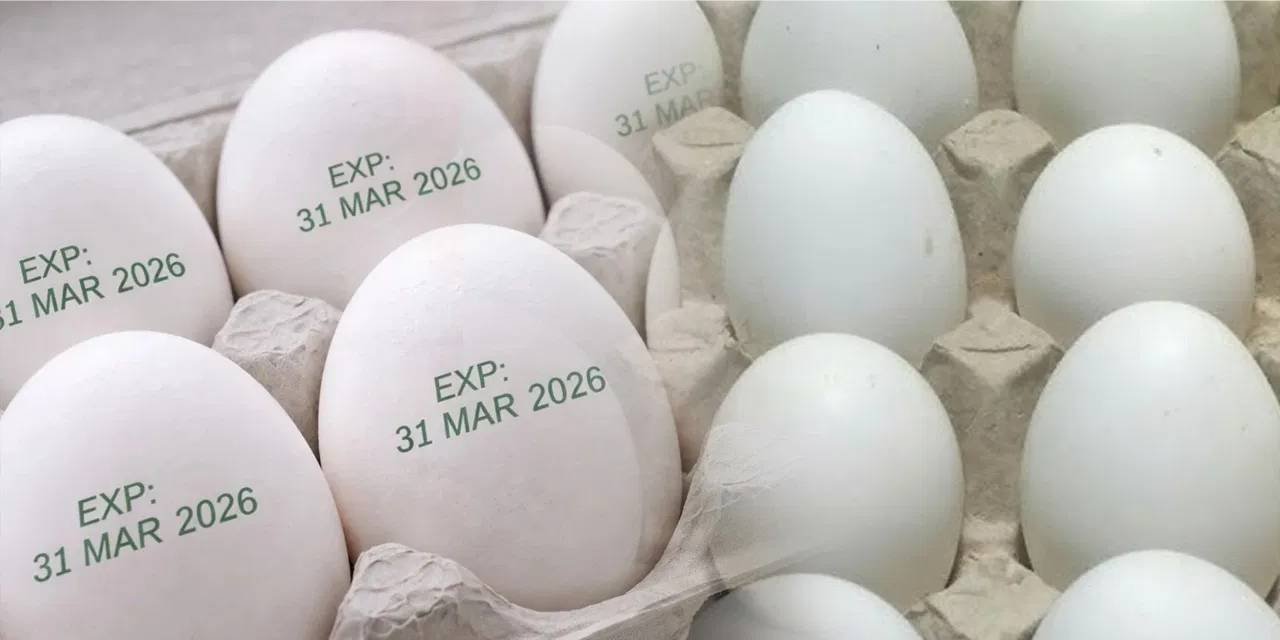
The Government of Uttar Pradesh has mandated that all eggs sold in the state must carry stamped information indicating both the date of laying and the expiry date, effective April 1. Eggs without these details will either be destroyed or labelled “not fit for human consumption,” according to a recent government directive.
The measure has been introduced to safeguard public health and ensure product traceability. Eggs remain safe for consumption for up to two weeks when stored at an ambient temperature of around 30°C. Under optimal refrigerated conditions (between 2°C and 8°C) their shelf life can extend up to five weeks.
Food safety norms also prohibit storing eggs alongside vegetables or other food items due to differing temperature and storage requirements. Proper handling and storage are critical to maintaining freshness and preventing contamination.
Currently, the state has limited egg-specific cold storage infrastructure, with only two facilities located in Agra and Jhansi. As reported by The Times of India, citing the Food Safety and Drug Administration (FSDA), the lack of dedicated storage capacity presents an operational challenge, particularly since eggs cannot be stored with other perishables.
Investigations conducted by the Animal Husbandry Department and the FSDA revealed instances of stale or spoiled eggs being sold as fresh, posing potential health risks. The findings highlighted gaps in compliance with existing food safety regulations.
Harishankar Singh, Joint Commissioner of FSDA, noted that efforts to introduce traceability measures have been underway for two years. While batch numbering was initially considered, it proved impractical due to the fragmented sourcing of eggs. As a result, the government opted for a simpler and more effective approach, directly stamping the laying and expiry dates on each egg.
Additional Chief Secretary (Animal Husbandry and Dairy) Mukesh Meshram stated that non-compliance and lack of consumer awareness were key concerns driving the policy decision.
To facilitate implementation, a meeting with major egg distributors has been scheduled for March 18 to discuss execution and monitoring mechanisms ahead of the April 1 rollout.
The government has warned of strict enforcement. Producers, poultry farmers, and retailers failing to comply will face punitive action, including confiscation and destruction of non-compliant stock or mandatory labelling as unfit for consumption. Such products will not be permitted in the market.
Uttar Pradesh currently consumes approximately 2.5 crore eggs daily, while in-state production stands at around 1.6 crore eggs. The deficit is met through imports exceeding 90 lakh eggs per day from states such as Tamil Nadu and Andhra Pradesh.
Egg consumption across India has been rising by 20-25 percent annually, with the national per capita consumption at 106 eggs per year. In contrast, Uttar Pradesh records a significantly lower per capita consumption of 30 eggs annually. If consumption levels align with the national average, the state’s daily requirement could increase to approximately 7 crore eggs.
Saudi Arabia’s Food and Drug Authority (SFDA) has banned poultry and egg imports from India and 39 other countries, with partial restrictions on 16 nations, citing avian influenza and food safety concerns.
Saudi Arabia’s Food and Drug Authority (SFDA) has banned poultry and egg imports from India and 39 other countries, with partial restrictions on 16 nations, citing avian influenza and food safety concerns. The move was part of precautionary measures aimed at protecting public health and ensuring food safety in the Kingdom.
The SFDA said the decision was aimed at reducing risks linked to animal diseases and ensuring the safety of food products entering the Kingdom. It added that the list of affected countries would be updated periodically in response to global health developments and epidemiological changes.
According to a recent review cited by Okaz, a leading Arabic-language daily newspaper in Saudi Arabia, some countries have been under import restrictions since 2004, while others were included over the years following risky and international reports, particularly those linked to outbreaks of highly pathogenic avian influenza. The SFDA noted that this reflects its continuous monitoring of the global disease situation.
The full ban applies to imports from Afghanistan, Azerbaijan, Germany, Indonesia, Iran, Bosnia and Herzegovina, Bulgaria, Bangladesh, Taiwan, Djibouti, South Africa, China, Iraq, Ghana, Palestine, Vietnam, Cambodia, Kazakhstan, Cameroon, South Korea, North Korea, Laos, Libya, Myanmar, the United Kingdom, Egypt, Mexico, Mongolia, Nepal, Niger, Nigeria, India, Hong Kong, Japan, Burkina Faso, Sudan, Serbia, Slovenia, Côte d’Ivoire and Montenegro.
Partial restrictions have also been imposed on certain provinces or cities in Australia, the United States, Italy, Belgium, Bhutan, Poland, Togo, Denmark, Romania, Zimbabwe, France, the Philippines, Canada, Malaysia, Austria and the Democratic Republic of Congo.
The authority clarified that the temporary ban does not apply to heat-treated poultry meat and related products, provided they comply with approved health and safety standards.
Such products must be accompanied by official certification confirming that they have been processed in a way that eliminates avian influenza and Newcastle disease viruses, and must originate from approved facilities in the exporting country.
Despite recommendations from the ICMR, a survey shows that 73% of urban affluent Indians are still protein deficient. Experts highlighted the importance of poultry protein in combating nutritional challenges, emphasising increased consumption of poultry products.
In a concerted effort to address the pressing issue of protein deficiency among the Indian population, the Poultry Federation of India (PFI), with support from the United States Poultry and Eggs Export Council (USAPEEC), recently hosted a session in New Delhi on May 18, 2024, that brought together leading industry experts to highlight the critical role of poultry protein in addressing India’s nutritional challenges. With the assistance of prominent industry experts, this served as a platform to push for increased protein intake, particularly through poultry products such as chicken, duck, turkey, and eggs.
The PFI and USAPEEC recently forged a collaborative partnership to promote poultry proteins, which signals a significant step forward in promoting awareness and consumption of poultry protein as a pivotal component of daily diets.
Protein deficiency remains a critical concern in India, as highlighted by the Indian Council of Medical Research (ICMR). Despite established recommendations emphasising the importance of adequate protein consumption for optimal health, the nation continues to grapple with subpar dietary protein intake, significantly below recommended levels. According to a recent survey by the Indian Market Research Bureau (IMRB), a staggering 73% of urban affluent individuals are protein deficient, with a vast majority unaware of their daily protein requirements or suitable protein sources.
Mr. Ranpal Dhanda – President, Poultry Federation of India, Mr. Ravinder Singh Sandhu – Secretary, Poultry Federation of India, Mr. Ricky Thaper – Treasurer, Poultry Federation of India, Ms. Pratibha Dixit – Nutritionist/Dietician, Artemis Hospital, Dr. Ajit Ranade – Vice President, World Veterinary Poultry Association and Mr. Shiven Khanna – USAPEEC were key speakers.
Mr. Ranpal Dhanda, President of the Poultry Federation of India, addressed protein deficiency in India. He stated, “We’re glad to collaborate with USAPEEC to raise awareness about the health benefits of poultry products. Through the combined knowledge, our objective is to amplify understanding regarding poultry products’ nutritional benefits and elevate health and wellness standards.”
Mr. Ricky Thaper, Treasurer of the Poultry Federation of India, added that Chicken meat and eggs are perceived as healthier alternatives to red meat, driving up the demand. Poultry products are often more affordable than other protein sources, making them accessible to a broader segment of the population. Mr. Thaper further stated that in the post-COVID-19 pandemic phase, the demand for protein-rich food like poultry meat and eggs has increased sharply. The growing awareness regarding health and wellness is further driving the demand for a protein-rich diet.
During the Session on Poultry Protein, Dr. Pratibha Dixit emphasised the imperative of raising awareness about protein’s significance in daily nutrition. She stressed the need to educate individuals on appropriate protein intake levels and the diverse protein sources available in the diet. Poultry products emerged as standout examples of complete and bioavailable proteins, offering a comprehensive nutritional profile essential for overall health.
Dr Jeetendra Verma, President of the World Veterinary Poultry Association (India), explained the goodness of chicken meat. He said that Chicken meat is a high-quality protein containing all nine essential amino acids in the right proportions. It’s a Lean Protein with high nutrient density, which means it provides essential vitamins and minerals, including B-complex vitamins, selenium, phosphorus, and niacin. Chicken protein also helps in muscle management and growth; hence, it is very popular and essential for athletes and individuals looking to build muscle mass.
Further elucidating the nutritional merits of poultry protein, Dr Ajit Ranade, Vice President of the World Veterinary Poultry Association, emphasised its role as a complete protein source. Highlighting the goodness of healthy proteins, fats, and micronutrients inherent in poultry products, he underscored their efficacy in bolstering immunity and overall well-being.
The session allowed attendees to delve deeper into the nuances of protein consumption and its implications for public health. Discussions revolved around strategies to enhance awareness, promote dietary diversity, and expand opportunities for poultry products.
The collaborative efforts between PFI and USAPEEC signify a multifaceted approach encompassing education, research and development and nutritional awareness. By collaborating with their expertise, this initiative aims to catalyse a paradigm shift in addressing India’s protein deficiency challenge, positioning poultry protein as a cornerstone of a balanced and nourishing diet.
In conclusion, the session was pivotal in galvanising stakeholders towards combatting protein deficiency. Poultry protein holds immense promise in fortifying India’s nutritional landscape.
‘Processed Food Industry’: The Voice of Food Processing Industry
Processed Food Industry (PFI) is a premier English-language monthly B2B publication (ISSN 09721649) headquartered in New Delhi, catering to the vibrant and ever-evolving food processing industry. While we don’t claim to be the largest or most widely read, our proud legacy of over 27 years—publishing continuously since 1997—has earned us the trust of industry professionals as a reliable source of insights and information.
If your goal is to tap into the booming Indian and South Asian markets to promote your equipment, technology, software, or consumables, PFI is your strategic partner. With our hybrid approach across print, web, and social media, we help you establish strong brand recognition rooted in market relevance. Backed by a team of top-tier technical writers, we’re ready to work closely with you and your customers to craft compelling content that drives results.
India and South Asia’s food industry is expanding rapidly, driven by efficiency and cutting-edge innovations. Don’t miss the opportunity to elevate your brand and engage with this dynamic market. Get our 2025 media kit to fine-tune your marketing strategy, increase your visibility, and convert potential customers into valuable conversations. Additionally, ask for a sample copy of our monthly magazine and experience the quality and relevance we deliver.
Let us help you define your role in the future of the food processing industry.
Have a news or topic to share with industry? Write to us editorial@pfionline.com
The Poultry Federation of India (PFI) and the USA Poultry and Eggs Export Council (USAPEEC) have joined forces to sign a Memorandum of Understanding (MoU) which is a significant step forward in combating protein deficiency through the promotion of poultry protein knowledge and consumption.
Protein deficiency stands as a critical concern, as emphasized by the Indian Council of Medical Research (ICMR), which underscores the necessity of adequate protein intake for optimal health. Despite these recommendations, the average dietary protein consumption in India remains below the desired levels, contributing to health challenges. With the average intake hovering around 0.6g per kg of ideal body weight, there exists a clear imperative to bridge this gap.
MoU Signing Ceremony
The signing ceremony brought together esteemed representatives from both organizations, including Mr. Greg Tyler, President & CEO USA Poultry and Egg Export Council, Mr. Clay M. Hamilton, Agricultural Minister Counselor for Agricultural Affairs, USDA, and Mr. Ramesh Khatri, Chairman, Mr. Sanjeev Gupta, Vice President (HQ), Mr. Ricky Thaper, Treasurer and Mr. Parveen Kumar, Vice-President, North Zone of the Poultry Federation of India. Their addresses underscored the significance of this partnership in addressing critical nutritional needs and fostering international cooperation in the poultry industry.
Commenting on the partnership, Greg Tyler, President of USAPEEC, stated, “We are thrilled to join forces with the Poultry Federation of India to address the protein deficiency in India. By leveraging our collective expertise and resources, we aim to raise awareness about the nutritional benefits of poultry products and contribute to improving the health and well-being.”
The collaborative approach encompasses a range of initiatives, including educational, research and development, expansion of market opportunities, and campaigns to raise nutritional awareness. By combining their expertise, both organizations aspire to raise awareness about the nutritional advantages of poultry products.
This partnership symbolizes a shared dedication to enhancing the nutritional landscape and fostering a healthier, protein-rich future.
The guests experienced an exclusively curated menu with interesting International and regional delicacies including US Turkey & Duck.
The USA Poultry & Egg Export Council collaborated with Diablo, Qutub Garden for a fantastic evening with well-known food influencers and other food industry heavyweights in attendance. The dignitaries who graced the occasion included Clay Hamilton, Minister Counselor Agriculture Affairs USDA, Mariano Beillard, Senior Agriculture Attaché USDA, Joanna Brown, Agriculture Attaché USDA, and Manjit Gill, President Indian Federation of Culinary Associations, were among the dignitaries who attended the event.
Clay Hamilton, Minister-Counselor for Agricultural Affairs along with other members of USAPEEC and USDA
The guests were treated to an exclusively crafted lunch featuring intriguing International and regional delicacies such as turkey and duck from the United States. The USA Poultry & Egg Export Council (USAPEEC) objective was simple yet profound: to introduce the wonders of American poultry.
What distinguishes American poultry is its constant dedication to quality. US poultry producers adhere to some of the world’s most stringent quality and safety standards. It’s a commitment that ensures every bite of US poultry is not just flavourful but safe, nutritious, and of the highest quality.
Addressing the gathering Clay Hamilton said, “I am very happy to have each one of you here for this poultry protein-rich gourmet extravaganza. I look forward to a growing partnership between India and The US and what the future holds for collaboration on poultry protein in India.”
Shiven Khanna, a representative from USAPEEC, opined, “Look for US Poultry at Bougie, Wolf and Miso Sexy, some of the most popular restaurants in the city. In the coming months, we will also target the catering markets specifically for US Duck & Turkey.”
Attendees had the opportunity to indulge in an unforgettable gastronomic journey, exploring the rich flavours and textures of US poultry which were curated by Chef Sagar Bajaj – Culinary Head, First Fiddle Hospitality. Chef Bajaj said, “We are excited to partner with USAPEEC to bring the best of US poultry to our patrons. This collaboration aligns perfectly with our commitment to offering exceptional dining experiences, and we look forward to incorporating US poultry into our menus across our restaurants.”
The culinary landscape of India’s food service sector has long been intertwined with the traditional wet market approach, particularly when it comes to sourcing poultry products. The concept of Frozen Poultry has emerged as a relatively novel offering and requires awareness regarding its proper handling. The USAPEEC is fast changing this as it brings to the table vast options, convenience and possibilities with Frozen Poultry, including US Turkey and duck.
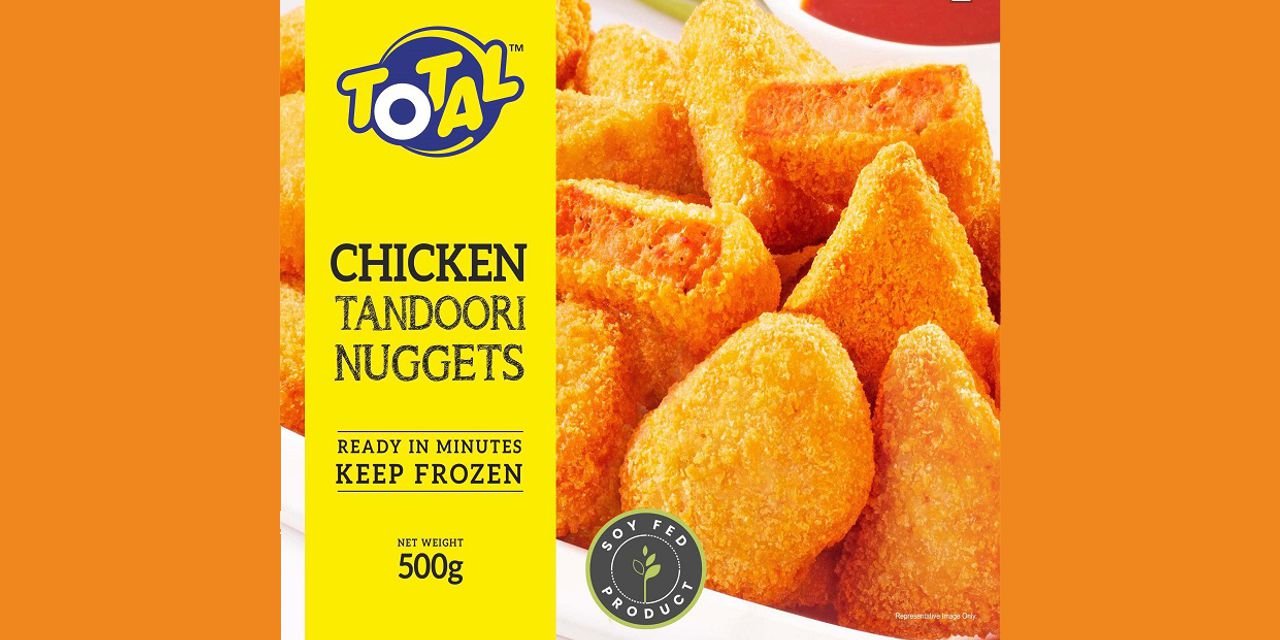
Shalimar Group supports the ‘Soy Fed’ label with its adoption in packaging material of its Tandoori Nuggets to help consumers identify high-quality protein foods.
Following the launch of India’s first feed label, ‘Soy Fed,’ by Right To Protein, a nationwide public health initiative last year, Shalimar Group, a pioneer in the poultry industry, has joined the league of adopters after Sneha Group. The voluntary label will feature on the company’s Total Foods range of Tandoori Nuggets and will be gradually integrated into all their poultry products.
The Soy Fed label was introduced during the National Nutrition Month 2021 with a two-fold objective of empowering consumers to make informed choices, differentiate packaged poultry, meat, and fish fed with soy, and helping the industry distinguish soy as a quality protein source for animal feed. Livestock, poultry, or fish fed with high-quality soy as its primary protein source is of a better quality as the superior amino acid profile and amino acid digestibility of soybean meal has a tremendous impact on their growth and development, thus benefiting the end consumer.
Masood Ahmad, Chairman of Shalimar Corp Ltd, said, “As a pioneer enterprise engaging in a wide-ranging business of poultry feed milling and animal nutrition, providing our customers with the highest quality food choices has always been our top priority. We truly believe that the ‘Soy Fed’ label will be a key industry differentiator in aiding awareness about the nutritional benefits of Soy as an animal feed and how that positively impacts the consumer’s health. With growing concerns and consciousness around wellbeing people, today rely on trusted brands like us for transparency. We feel this move will further reassure them of our commitment to their evolving needs.”
“Protein undeniably is an important requirement not just for human consumption, but also for livestock and aquaculture. Soy feed plays a significant role in animal growth and development and helps define the quality of protein that humans consume. With partners such as Shalimar Group and Sneha Group coming on board to adopt the voluntary feed label, we are progressing on our journey to raise awareness about the role of soy as a sustainable source of nutrition. This indeed is yet another step towards ushering in a positive change in the industry.”, stated Jaison John, Lead – India, US Soybean Export Council (USSEC) and Right To Protein supporter.
The ‘Soy Fed’ label is now reaching out to multiple brands in India for its voluntary inclusion on their packaged protein products – meat, poultry, and fish – and helping citizens learn that we are what our food is fed!
In addition, ahead of Protein Day 2022, Right to Protein, in its ongoing efforts to drive food and especially protein sufficiency in the country through awareness, advocacy, and action, has announced ‘Food Futurism’ as the theme for this year. This educational initiative will bring together nutrition experts, food scientists, biologists, and others to help Indians better understand the basic science behind healthy nutrition and its role in food security and protein sufficiency.
About Right To Protein
Right To Protein is India’s first awareness initiative to educate citizens about the importance of adequate protein consumption for better nutrition, health, and wellbeing. #RightToProtein initiative aspires to build knowledge of different types of protein sources amongst Indians, especially plant protein, to meet larger nutritional goals. Right To Protein aims to develop an ecosystem of professionals to drive protein awareness and debunk myths and misconceptions about protein as a critical macro-nutrient for human health and of many protein foods sources. The ecosystem will aim to improve the production, consumption quality, and consistency of plant and animal proteins. Right To Protein is supported by several like-minded Indian and global individuals, academicians, professionals, and institutions. The initiative is open for those who would like to join and/or contribute in any capacity, including providing knowledge and technical support or as promotion partners.
The waste generated by poultry production is huge. The efficient and effective disposal of poultry waste will assure the sustainability of poultry production. India has a great opportunity to produce biodiesel from poultry waste and chicken slaughter.
Table of Contents
The world is facing an ever-increasing demand for sustainable and renewable energy sources as we strive to reduce our reliance on fossil fuels and combat climate change. Biodiesel, a cleaner alternative to traditional diesel fuel, has gained significant attention in recent years for its potential to reduce greenhouse gas emissions and promote sustainability.
Poultry Waste: A Hidden Resource
One promising avenue for biodiesel production is the utilization of poultry waste and by-products from chicken slaughter, offering not only an eco-friendly solution but also a way to reduce waste and promote resource efficiency.
The production of poultry can generate a large amount of wastes, including from the hatchery, poultry farm, and processing plant, etc. These could pose a health risk as they may lead to water, air, and land pollution. These wastes can be disposed of by recycling or processing. The crude protein and crude fat in hatchery waste can be used to make animal feed. The use of chemical fertilisers will be reduced if the dried poultry waste/litter is properly processed.
Chicken Slaughter By-Products: An Untapped Resource
India sees great potential to produce biodiesel from poultry waste and chicken slaughter through the transesterification process. India wants to take advantage of this opportunity by including 5% of biodiesel into its diesel, which will reduce its dependence on crude oil imports. The sustainability of poultry production will also be assured through efficient and effective disposal of poultry waste.
Researchers Extracted Biodiesel from poultry waste and chicken slaughter
A team of researchers, led by John Abraham of the School of Bioenergy and Farm Waste Management at Kerala Veterinary and Animal Sciences University, Wayanad (KVASU), have quietly extracted biodiesel from poultry waste and chicken slaughter, using a prototype plant that costs around Rs.12 lakh.
John Abraham of the School of Bioenergy and Farm Waste Management at Kerala Veterinary and Animal Sciences University, Wayanad (KVASU)
They have been field testing this chicken-based fuel for several months in the old multi-utility vehicle (MUV) of their university, which is used all over the hill district. It is currently pending patent application by the KVASU team. KVASU plans to assume the role of the technology provider.
Researchers also ran biodiesel through testing at the Bharat Petroleum Corp Limited (BPCL’s quality control laboratory at Kochi refinery. The tests proved that the fuel met strict BIS standards. Dr John said that the biodiesel from poultry waste was also more efficient than petro-diesel’s 64 cetane values. It’s also relatively cheap. Even with economies of scale, this fuel costs only Rs.32 per litre at the pilot plant (whereas petro diesel can cost Rs.55 to Rs.55). It is currently being tested in a 50/50 ratio with petro Diesel in unmodified diesel engines. Dr John stated that it could be used with engine modifications to make it the sole fuel.
How the idea was discovered?
The idea was discovered by a number of entrepreneurs, including Kozhikode Corporation, registered slaughter waste collectors. Already, the team has provided a project report on a plant that a consortium will use. It can process up to 40 tonnes of meat waste per day and generate around 1,000 litres of poultry fuel each day. This project is coming up with the collaboration of Kozhikode Corporation and the District Suchitwa Mission.
Dr John’s 2012 doctoral thesis was on alternative fuels at Tamil Nadu Veterinary Sciences University. He said that chicken-powered biodiesel has great potential. “In Kerala alone, 5.3 lakh chickens are killed each day. It is equivalent to 350 tonnes of waste per day that poses a grave threat to the environment.
He said that if the waste is heated at high temperatures, 10% of the volume becomes extractable oil. Another 30% can be converted into animal and pet feed ingredients, with 62% protein content, which costs Rs.20 per kilogram to produce. He said that almost 96% of the oil could be made into biodiesel, and a small amount could be turned into glycerine which could be used to make soaps or cosmetics.
Why only the poultry waste?
On average, 10 kg of chicken waste yields one litre of oil. Why only the poultry waste? “All ruminants have bio-hydrogenation pathways which saturate fatty acid. Saturated fats remain solid at room temperature. But monogastric animals like chickens lack this pathway. Their fats are richer in unsaturated fatty acid, which turns to oil at room temperatures. Dr John stated that biodiesel is only possible from these oils.
Benefits of Poultry Waste Biodiesel
1. Waste Reduction: The utilization of poultry waste and chicken slaughter by-products for biodiesel production reduces the environmental impact of these industries by minimizing waste and emissions.
2. Energy Independence: Biodiesel from poultry waste reduces our reliance on fossil fuels, promoting energy security and reducing greenhouse gas emissions.
3. Circular Economy: Transforming waste into biodiesel creates a circular economy where resources are continuously reused, reducing the demand for virgin materials. 4. Rural Economic Development: Biodiesel production from poultry waste can stimulate economic growth in rural areas, offering new revenue streams for farmers and rendering facilities.
Biodiesel from poultry waste and chicken slaughter by-products represents a sustainable and environmentally responsible solution to the challenges posed by these industries. By converting waste into a valuable resource, we can reduce waste, cut greenhouse gas emissions, and promote energy independence. As we continue to explore innovative ways to address our energy and environmental challenges, biodiesel production from poultry waste stands out as a promising avenue for a more sustainable future.
Sugguested Reading
R. Prabakaran & S. Ezhil Valavan; “Wealth from poultry waste: an overview”; World’s Poultry Science Journal, Vol 77 No 2; pp 389-401
Abraham, J. 2014; “Production of Bio-diesel from Poultry Farm Waste” PhD diss.; Tamil Nadu Veterinary and Animal Sciences University, Chennai, India.
http://www.thehindu.com / The Hindu / Home> National> Kerala / by E.M. Manoj / Kalpetta – May 29th, 2016
India’s meat and poultry industry has huge potential, given the favourable infrastructure and policy guidelines. The fast-food restaurants and eating joints serving traditional meat products are playing their role in increasing meat and poultry consumption, thereby catalysing the growth of the meat industry. However, the new legislation and fear of cow vigilantes have restrained the meat and poultry industry, according to Rajat K. Baisya.
Table of Contents
India has the distinction of having the world’s highest population of livestock. The livestock population in the country is estimated at about 515 million of which cattle population stands at around 200 million. And poultry population is at 750 million. And in spite of this, our meat and poultry processing industry did not find any place in the global reckoning.
The reason can be traced to our large vegetarian population estimated to be over 70%, the domestic market, therefore, is restricted. The other reason is inadequate or even absence of cold chain infrastructure to distribute the meat and meat products within the country. In the domestic market, meat would mean only goat meat and poultry would only mean chicken.
Meat and Poultry Processing: Advantage India
India has the world’s largest population of livestock.
India produces around 5.3 million MT of Meat and 75 bn eggs annually.
India is the largest producer of buffalo meat and 2nd largest producer of goat meat.
The current processing levels in poultry are 6%, while for meat it stands at 21%.
Poultry is a highly vertically integrated industry in India and matches the efficiency levels of many western countries.
Government of India has taken steps for modernization of municipal abattoirs to provide safe and hygienic meat to consumers.
Buffalo Meat Exports
In India, beef refers only to buffalo meat (carabeef), as the slaughter and sale of cow meat remain banned nationwide. The cow is considered a sacred animal that provides milk for infants and newborns, but the fact of the matter is that buffalo milk is the main source of milk supply in the country. India sustains its position as the largest milk producer globally, with a total production of 239.3 million tonnes in 2023-24, roughly 25% of the world’s total milk output.
Buffalo meat dominates both domestic consumption and international trade, since the cow is widely revered and strictly protected. Official policies and cultural values mean that India’s beef industry consists overwhelmingly of buffalo meat exports, making the country the world’s second-largest beef exporter, with revenues exceeding $3.8 billion annually in 2024-25; buffalo meat exports are projected to reach about 1.65 million metric tons in 2025 as global demand rises.
Impact of Cow Slaughter Laws
The cattle trade and, more particularly, the interstate cattle trade have suffered because of the new legislation. The government, however, exempted a few states where there were either resistance and or religious sentiments from the other religious groups, and this included states like Kerala, Goa, Assam, Tamil Nadu, Karnataka, Telangana, Arunachal Pradesh, Mizoram, Meghalaya, Nagaland, and Tripura. These are the states where there are no restrictions on cow slaughter.
The unproductive cows were earlier slaughtered for meat but now they have to be fed by the farmers or owners which they are not willing to do so. As a result, these cows are seen to be roaming free feeding on street garbage and creating traffic nuisance in cities and in villages they destroy farmers cultivation and harvests. Those who have been housed in cow shelters are fed at ex-chequers cost. But it is said that in Rajasthan even cow urine also has a market.
Types and sources of meat in India
Coming back to the meat processing, of all different types and sources of meat in India, poultry is the largest source of meat, contributing about 50% of all meat production and consumption, and buffalo meat is about 20% of the total.
Poultry meat is the major source of meat for domestic consumption, whereas buffalo meat, which is exported as beef, is the major source of meat in international trade. The largest pig producing state in the country is Assam. Pig meat is only 6.5% of the total meat source and consumption in the country. Goat meat is another major constituent of total meat consumption in the country. It is estimated that goats contribute about 14.5% of the total meat production in India.
In poultry processing, Venky’s is the biggest player that has an all India network and they also have modern integrated facilities and process plants.
Livestock rearing economy is dependent on the various products made out of them. In terms of value output, milk and milk products contribute 65% of the total value of livestock economy followed by meat and meat products contributing 20%, Dung about 7% and eggs 4%. The total meat production in the country is said to be 7.4 million tonnes and egg production is about 88 billion.
Regional Leaders in Production
Uttar Pradesh contributes about 17% of the total milk production and 18% of the total meat production of the country and Tamil Nadu contributes 19% of the total egg production in the country. The largest meat-producing state in the country is Maharashtra and the largest poultry producing state is Andhra Pradesh. Of the total of 88 billion eggs that the country produces 87% are from improved fowl, 12% from desi (local) fowl, and only 1% are from duck eggs.
The animal slaughtering takes place both in registered as well as unlicensed and unregistered slaughterhouses. As of 2021, there were 4,671 slaughterhouses in India that were registered or licensed with the Food Safety and Standards Authority of India (FSSAI). The number of small-scale meat retail shops is 25000, and the number of abattoirs with meat processing facilities approved by APEDA is 77.
As for beef, we export buffalo meat, with the market being somewhat restricted to countries such as Vietnam, Malaysia, Egypt, Indonesia, and Saudi Arabia. Vietnam alone accounted for 48% of the total Indian meat export at 840 thousand MT, followed by Egypt (9.4%), Malaysia (9.3%), Indonesia (4.6%), and Saudi Arabia (4.4%) of the total export of 1.8 million tonnes exported in 2016.
Key Export Destinations
Vietnam remains the largest importer of Indian buffalo meat, accounting for approximately 46% of total exports in 2023-24, with volumes near 565,000 metric tons.
Malaysia absorbs around 14% of exports, followed by Egypt at about 13%.
Indonesia and Iraq collectively take up roughly 12% of the market—these shares show modest increases from earlier years as demand in the Far East and Middle East grows.
In 2023-24, total buffalo meat exports were approximately 1.29 million metric tons, valued at close to US$ 3.74 billion, indicating a stable export volume compared to the previous cycle.
Saudi Arabia, once a leading market, accounted for a smaller but steady share alongside Iraq and other emerging countries
Evolving Meat Processing
Frozen buffalo meat is exported to the countries by established processors including Allanasons which acquired a modern abattoir from Brook Bond in the early eighties which had a capacity to slaughter 500 buffaloes every day. This is an integrated plant and everything from the animal is used for the productive purpose including blood and skin.
Brook Bond could not run it profitably and subsequently sold it to Allanasons which is managing these modern meat processing facilities at Aurangabad since then. This plant is reportedly not running in full capacity. However, Allanasons is the large frozen and chilled meat exporter in the country. Allanasons has its own network of dealers and distributors of its products in the middle east countries and thus has an edge over others. In processed meat products, processing both goat meat and chicken for the domestic market as well as for export there are a couple of players who are operating on a larger scale and have their own certified modern meat processing plants.
Some of these plants have both abattoir and meat processing facilities while some are only meat processors and they source meat from the registered abattoirs. A large number of processors are there in Uttar Pradesh and Maharastra who are regular exporters of fresh frozen meat as well as processed meat products. Some of them also established their own brands and cold chain network in the domestic market. Popular amongst them are Lazzez, Al Kabeer, Al Sami, Al Nasir, etc.
Pig meat is not widely sold in India except in markets of the north-eastern part of the country. The largest pig production and consumption is also in this part of the country. Star hotels serve the pig meat products like sausages and salamis but mostly have their own small processing units. Pig rearing is not done in an organised fashion as yet. However, of late, a few years ago a plant has come up near Guwahati in Assam to process and sell pig meat. They are gradually expanding. This venture was started by three young local entrepreneurs and they have also managed to get the first funding.
Poultry’s Dominance
In poultry processing, there are many players in the market. The biggest player is Venky’s which has an all India network and they also have modern integrated facilities and process plants. Many smaller poultry farms spread across the country source chicks from Venky’s hatchery to grow and finally sell in their locality. The success of the business of meat and poultry can be traced in select states. That may the reason why Andhra Pradesh is called Poultry capital and Maharashtra is called the meat capital of India. Post-implementation of the law preventing cow slaughtering, the meat industry has gone through some difficult phase.
In poultry, we will shortly see the chicken legs from the US. It is so cheap that it is likely to invade the local market when the earlier embargo and restriction of their entry was withdrawn last year. The dressed frozen chicken market and more particularly chicken legs market is likely to explode putting meat sellers in the local market at risk of losing business when US production of frozen chicken legs and chicken breasts invade the Indian market on a large scale. US chicken legs will out price the local production and supply to gain market share.
Foreign Ventures in Poultry
Godrej Agrovet has set up a modern poultry processing plant in Mumbai in a joint venture with Tyson Foods of US which has 51% equity in the venture and Godrej Agrovet 49% to form Godrej Tyson Ltd to produce both frozen dressed chicken, chicken portions such as legs and breasts as well as chicken snacks. The company seem to be doing well and has now set up yet another plant in Bangalore to produce chicken snacks like Chicken nuggets. Godrej Tyson produces and sells frozen chicken segments under Good Real Chicken and Snacks like nuggets under the Yummiez brands. This is the only multinational in meat processing in India.
Fast Food Drives Demand
The fast-food restaurants in India are helping the growth of the meat industry. Notably among those are McDonald and KFC. They are the largest buyers of chicken and goat meat for their restaurants. Both KFC and McDonald faced a lot of resistance in the market to introduce their burger and fried chicken but ultimately they succeeded. The restaurants and eating joints serving meat products of traditional types such as kababs like sheek, shammi and reshmi kabas are really playing their role to increase the meat consumption and thereby catalysing the growth of the meat industry as such.
Opportunities for Growth
The meat and poultry industry in India has a very big potential given the favourable infrastructure and policy guidelines. The fear of beef and cow slaughtering has put the meat industry into a restraint. But for the poultry industry the growth can be much higher. In spite of all the constraints the meat and poultry industry is still able to deliver double-digit growth which is reported to be around 12.5%. This sector has a lot of growth opportunities and can attract foreign direct investment to exploit both local and also global opportunities.
After Venkateshwara Hatcheries (Venky’s), the only other large modern facilities is the Godrej Tyson Food venture. Venkateshwara occupies a special place in the Indian poultry industry. It has pioneered the concept of parent franchising operations and popularised cage farming. Venky also introduced in India the concept of inactivated vaccines and combination vaccines. They have set up a 100% export-oriented egg powder plant in Hyderabad. Focusing on the global market, there is scope for modern poultry processing and meat processing, attracting investment from international players. India, as a country, offers opportunities in this sector where we can attract global investment.
The author is the chairman of Strategic Consulting Group and served as Professor and Head of the Department of Management Studies, IIT Delhi.
Have a news or topic to share with industry? Write to us editorial@pfionline.com
After years of enjoying the protection, the Indian poultry industry should be ready for the changed scenario. Indian market is going to be flooded with frozen American Chicken legs. However, the Indian poultry industry should see this as an opportunity for both importing and exporting chicken parts and be a player in the global market for growth, survival, and also prosperity, suggests, Rajat Baisya
The Indian poultry industry has enjoyed protection for long years as the government did not allow the import of frozen chicken into India on various grounds to safeguard the interest of the Indian poultry industry. Under WTO regime where India is also a signatory, there has to be a fair trade practice to be followed offering market for global competition. The Indian poultry industry is primarily having a domestic market with no exportf. But under new WTO ruling that protection is now going to be over.
Hopefully, the Indian poultry market will get flooded now with frozen American Chicken legs. Our commerce minister said that Indians prefer fresh chicken and therefore, frozen chicken from USA will not have more than 5% of the total Indian market and hence there is no reason to worry about it. But if there is no reason to worry about why we tried to protect and insulate the Indian poultry industry for so long? Possibly, there is no reason to worry about but that will be for different reasons. Some local producers claim that India would be flooded with USD 300 million of chicken legs annually and other estimates are as low as USD 15 million.
What will be the exact market for the US chicken will be known in the coming months but it is true that a significant size of the market will be penetrated by US chicken soon. The large consumer of chicken are some of those MNCs like McDonald, Burger King, and KFC and they are expected to shift their sourcing immediately to US suppliers throwing some of the local vendors to these fast foods restaurant chains out of gear.
If there is a shift in consumer preference to frozen chicken legs because it will be cheaper and which Indian consumers prefer to have, small time traders in local market and meat shops might be impacted but it is unlikely as selling frozen chicken legs will require cold cabinets and that will not be available in the village and urban markets soon. In immediate future they are unlikely to feel the impact of the import from the US.
In India, we sell whole chicken or part thereof at the same price although consumers prefer chicken legs not for any valid reasons. But in America no one likes chicken legs and consumers prefer chicken breast. The price of chicken breast is four times higher than that of the legs. Chicken legs in the USA are thus very cheap and practically sold as bye products and available at a very low price which will now flow to the Indian market making the price of chicken fall sharply and this should be a welcome development for the Indian consumers.
Products are differentiated to satisfy unique customer preferences and likings and that is how in the USA chicken breasts are selling at four times higher rate than legs. In Europe and the USA, you get chicken portions in various sizes and prices. American consumers are very discerning and for them, each portion of the chicken is sold at a variable price based on demand and size. Unlike the Indian poultry market, all types of meats including beef, pork, goat, lamb, and chicken are sold packed and frozen in various portions and sizes at different prices.
Whereas in India price of meat is the same for any portion that consumers like to take and mostly it is sold fresh, unprocessed, and slaughtered in the presence and in front of the customers. Indian poultry industry could have easily developed a market for chicken legs to be sold at higher prices than chicken breasts making the industry more profitable and sustainable but they did not do it. Product differentiation based on customer preferences is a well-established marketing strategy. But in India meat marketers of both dressed, fresh and frozen chicken have failed in this task. They even did not try, although meat products like kababs, sausages, keema, and salamis are sold as value-added processed products in the Indian poultry market.
Now that inevitable is going to happen and cheap American frozen chicken legs will flood the Indian market, our local producers and marketers should see that as an opportunity and not a threat as it might be appearing to be so. Indian poultry industry should now take this changed scenario to become an importer of chicken legs from the USA and exporter of chicken breasts to the USA where price recovery will be much higher for them. The changing business environment can then become a newfound opportunity to be more profitable for the Indian poultry industry.
However, to achieve that objective we need to produce big chicken and also to have a modern hatchery with all facilities and modern high protein feed together with economy of scale to improve productivity and cost of production. This transitory phase should be the time to make this important shift in developing modern hatchery and feed production facilities to capture the market opportunity.
There are lobbyists talking about the fact that American chickens are being fed with feed made from genetically modified grains and soybean but this should not be the problem as in India we use GM cotton seed which produces higher cotton yield but we also use cottonseed oil which goes for production of Vanaspati and oil cakes which go for the production of animal and poultry feed. But not only chicken, cattle, fish and shrimp also fed with cottonseed.
For years Indian producers pursued the government to argue in the WTO that the USA suffered attacks of avian flu and other diseases, so the American chicken should be kept out as potential health hazards. But, in fact, the USA has no major attacks of avian diseases after 2004 and such attacks were more common in India than in the US. We, therefore, have been stopping the import so far on grounds that we ourselves are so prone to.
To become a significant player in this new change the Indian poultry industry will have to produce large chicken in place of small local (desi chicken) so that they can compete with American producers in the US on the price to export chicken breasts to the US market. This transition with relevant technology and modern processing facilities will call for new investments and collaboration. And whoever does this is also likely to benefit from the opportunity to export even chicken feet to China.
The Chinese love to eat large chicken feet. They eat chicken feet as dim sum styled braised chicken feet. Chicken feet is also eaten in Vietnam, Korea, and the Philippines and we can find the market in those countries as well. Once India produces large chickens, its chicken feet will be exportable and will not be a waste product. Nothing of chicken then will be a waste.
After years of enjoying the protection, the Indian poultry industry should see this changed scenario as an opportunity for both importing and exporting chicken parts and be a player in the global market for growth, survival and also prosperity.
For achieving that objective India should look at the global market for its poultry products and not only the domestic market and to do that global standards of operation, quality, hygiene as well as food safety standards will have to be implemented to qualify to compete in the global market. In addition to investment in technology and economy of scale, this also calls for a major attitudinal change for the better tomorrow. Those who will act earlier are likely to reap the harvest from this opportunity.
The author is the chairman of Strategic Consulting Group and served as Professor and Head of the Department of Management Studies, IIT Delhi.
Duck meat has been appreciated for its taste and nutritional qualities by most of the meat-loving population. The changing lifestyle, food consumption pattern, tastes preference of the consumer bringing the duck meat in the front line in their menu, writes Suman Talukder
The domestic rearing of ducks for food purposes can be traced back to historic times. In recent years duck farming has gradually grown and become a serious segment in the meat and poultry industry, especially in Asia. The changing lifestyle, food consumption pattern, tastes preference of the consumer bringing the duck food in the front line in their menu. With the increasing demand for poultry meats in this part of the world, the duck industry has commenced following the same pattern of the broiler industry. More specialized business ventures are been established along with the marketing use of modern production facilities as well as up-to-date processing plants and product marketing strategies.
Duck meat has been appreciated for its taste and nutritional qualities by most of the meat-loving population. Today duckling is in high demand in the whole world, especially in Asian countries. The preference of duck meat depends upon the breed of duck and the method of preparation which varies widely depending upon the region and the demand of the consumers. In Northern America, parts of Europe, Australia and in many other areas as well, the roasted duckling is a very popular item. Roast, braised or barbecued duck are few of the popular duck cuisine around the world. More recently duck parts, such as breast and legs have become more available, which offer more options for diet-conscious consumers. Precooked duck parts which can be quickly heated in a microwave are also becoming more available and popular. China is by far the leading country for duck production with an annual production of about 75% of all duck slaughtered and about 66% of all duck meat produced in the world (FAO stat) followed by France.
Meat-type Duck Breeds
Muscovy: The Muscovy duck breed is easily identified by its red knobby nodules along with the eyes and above the base of the bill, it is the leaner variety and the meat is darker. Muscovy is a heavy breed.
Pekin: The Pekin duck breed is native to China. Pekin ducklings are ready for the market at age two to three months. The white Peking duck, often sold under the name Long Island duckling, are the ones most often available in supermarkets today. This breed is the most demanded for its quality meat, tremendous taste and flavor.
Broiler or Fryer: These ducks are young (under 8 weeks) and tender, roaster duckling (under 16 weeks) is starting to harden, and the mature duck has tougher flesh.
Composition of Duck Meat
Duck muscles are predominantly dark muscles throughout the carcass. The moisture content of duck meat is around 73-76% (Omojola, 2007). The protein content of duck breasts and legs is 20.8 and 19.6%, respectively (Cobos et al., 2000). The ranges of essential amino acid percentages present in duck meats: 6.01-8.08% of phenylalanine and tyrosine, 3.21-6.14% of isoleucine, 7.67-8.45% of leucine, 8.60-9.57% of lysine, 3.11-3.26% of methionine and cysteine, 4.11-5.22% of threonine, 0.70-1.25% of tryptophan and 3.67-7.01% of valine (Woloszyn et al., 2006).
The percentage of fat in duck meat is relatively higher than other common poultry meats. Fat alteration over storage time will affect the physicochemical and sensory properties (Russell et al., 2004) in the form of raw meat or processed products. It contains 5.95% lipid without the skin and 39.34% with skin. Muscle alone contains 50.3% saturated, 33.4% monounsaturated and 16.3% polyunsaturated fatty acids, whereas duck with skin contains 35.7% saturates; 50.5% monounsaturates and 13.7% polyunsaturates, as with chicken and turkey the addition of the skin increases the proportion of monounsaturated fatty acids in the lipid from the duck. The major fatty acids in duck fat are similar to those in chicken and turkey except for the absence of long-chain PUFA’s and a higher proportion of linoleic acid. Duck fat contains 35.7% saturates, 50.5% monounsaturates (high in linoleic acid) and 13.7% polyunsaturated fats (Which contains Omega-6 and Omega-3 essential oils). The main difference between chicken, turkey, and duck is that duck contains more linoleic acid, which chicken and turkey contain a higher amount of polyunsaturated fats. It appears that duck fat is more like olive oil than it is like butter or beef.
More recently duck parts, such as breast and legs have become more available, which offer more options for diet-conscious consumers
Types of Duck Meat
Duck meat can be categorized into two types.
Whole duck and the cutting part including breast meat, fillet, bone-in-leg, thigh meat, drum stick, three joint wings, wing stick, middle wing, two joint wing, wingtip and others e.g. tongue, beak, and feet.
Purchasing and Storage Tips of Duck Meat
Fresh duck should be odor-free and have clean skin with no pinfeathers.
Frozen duck should have a plump breast and wrapped in an airtight package.
The meat should be stored in the coldest part of the refrigerator and frozen duck can be stored in the freezer for three months.
Duck liver/foie gras is highly perishable and will only keep for 3 to 4 days in the refrigerator once the package has been opened.
Characteristics feature of duck meat: The dressing percentage of duck is around 65-71% (Omojola, 2007)and it varies with the age and sex of the bird. Some important characters of duck meat are,
Color of Duck Meat:
Duck meat is considered as “white” meat, even though its meat is considerably darker than other poultry meats such as chicken or turkey. The reason for this is that ducks are more active in comparison to chicken, therefore, they need and use up more oxygen. The extra oxygen in the body of the duck or other types of the game bird gives their meat the darker red color due to the higher content of muscle myoglobin.
Aroma of Duck Meat:
The aroma of duck meat is relatively stronger than other poultry meats. It has been found that the flavor of the meat is positively correlated with lipid content (Chartrin et al., 2006b) and the higher fat content of duck meat may cause a stronger flavor.
pH of Duck Meat:
The pH range of duck meat is 5.4 to 6.3 (Erisir et al., 2009) in most of the cases. The pH of duck meat, however, is related to its glycogen content. A higher glycogen contents result in lower pH levels.
Among the popular duck meat cuisine, Roasted duck, Roasted magret (breast filets of duck), Pan-fried Duck, Braised Duck, Pan-fried duck liver (Foie gras), Barbecued Grilled Duck, Grilled Duck Kebabs etc. are well known
Processed Duck Meat Products
Among the popular duck meat cuisine, Roasted duck, Roasted magret (breast filets of duck), Pan-fried Duck, Braised Duck, Pan-fried duck liver (Foie gras), Barbecued Grilled Duck, Grilled Duck Kebabs etc. are well known. Other than those some regional variations are, Peking roasted duck, Nanjing cooked duck, Zhangcha duck (China), Canard á l’Orange (France), Oritang (Korea) and gulai itiak lado mudo (Indonesia). The only traditional applications of duck meat cannot stimulate the rapid growth and popularity development of duck meat applications in this decade. Therefore the export graded duck meat products yet to be developed and fabricated.
Future Approaches
Low demand for duck meat positively correlates with the low consumption of duck meat. The low level of consumption of duck meat is governed by many factors in comparison to chicken meat, reflected in low levels of duck meat acceptance and preference by society, the reason behind these constraints are, the unavailability of the meat quality ducks breeds, lower production level, difficulties in the slaughtering, lack of demand for ducks and weakness of market system for selling duck meat products (Oteku et al., 2006). The holistic approach towards the development of healthy, safe and nutritionally enriched duck meat can remove stigma adhere to the duck meat. The efforts to solve these problems focus should be on the researchers and government to popularize the duck meat as a food choice and to undertake necessary policy. A persuasive approach and good policies from the government will hopefully attract society to use duck meat in greater quantities.
References
Chartrin, P., M.D. Bernadet, G. Guy, J. Mourot and J.F. Hocquette, 2006. Does overfeeding enhance genotype effects on energy metabolism and lipid deposition in breast muscle of ducks? Comp. Biochem. Physiol. Part A: Mol. Integrative Physiol., 145: 413-418.
Cobos, A., A. Veiga, and O. Diaz, 2000. Chemical and fatty acid composition of meat and liver of wild ducks (Anas platyhynchos). Food Chem., 68: 77-79.
Erisir, Z., O. Poyraz, E.E. Onbasilar, E. Erdem and G.A. Oksuztepe, 2009. Effects of housing system, swimming pool and slaughter age on duck performance, carcass and meat characteristics. J. Anim. Vet. Adv., 8: 1864-1869.
Interesting new topics of times demand\Duck meat\Health benefits of Duck Fat.htm.
Oteku, I.T., J.O. Igene and I.M. Yessuf, 2006. An assessment of the factors influencing the consumption of duck meat in Southern Nigeria. Pak. J. Nutr., 5: 474-477.
Russell, E.A., P.B. Lynch, K. O. Sullivan and J.P. Kerry, 2004. Dietary supplementation of a-tocopheryl acetate on a-tocopherol levels in duck tissues and its influence on meat storage stability. Int. J. Food Sci. Technol., 39: 331-340.
Woloszyn, J., J. Ksiazkiewicz, T. Skrabka-Blotnicka, G. Haraf, J. Biernat and T. Kisiel, 2006. Comparison of amino acid and fatty acid composition of duck breast muscles from five flocks. Arch. Tierz. Dummerstorf, 49: 194-204.
Omojola, A.B. 2007. Carcass and organoleptic characteristics of duck meat as Influenced by breed and sex. International Journal of Poultry Science 6 (5): 329-334.