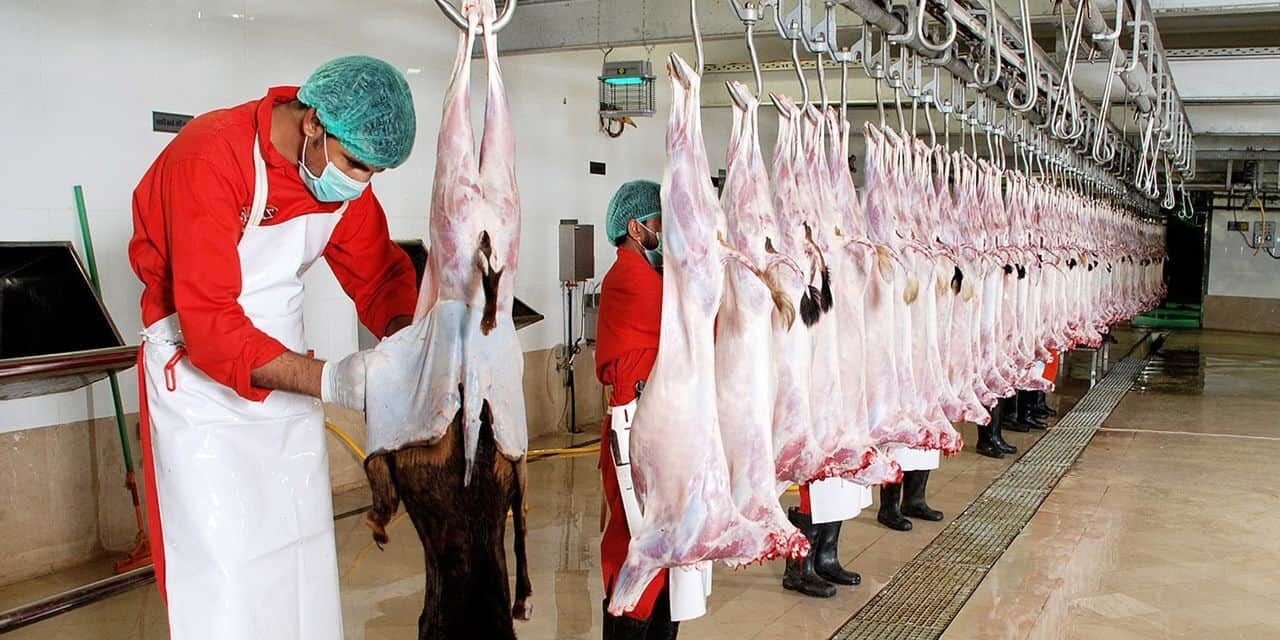
Indian buffalo meat exports reached $5.1 billion in 2025-26, driven by rising global demand, modern processing infrastructure and stronger export markets. Behind this growth is a wider economic ecosystem. Explore the export growth, processing industry, global markets and link with dairy farming.
Indian buffalo meat industry has quietly emerged as one of the country’s strongest agricultural export businesses. Buffalo meat exports crossed the $5-billion mark in 2025-26, and the sector is now on course to exceed $6 billion in the current financial year.
The numbers are impressive. But the larger story is not simply about exports. It is about how an industry built around spent buffaloes has become an important part of India’s dairy economy, created a substantial processing and export infrastructure, generated value from meat by-products and established a stronger position in international markets.
Buffalo meat, commonly known as “carabeef” in international markets, now accounts for about 79.4% of India’s animal-product exports, according to the figures provided.
Indian Buffalo Meat Exports Targets $6 Billion
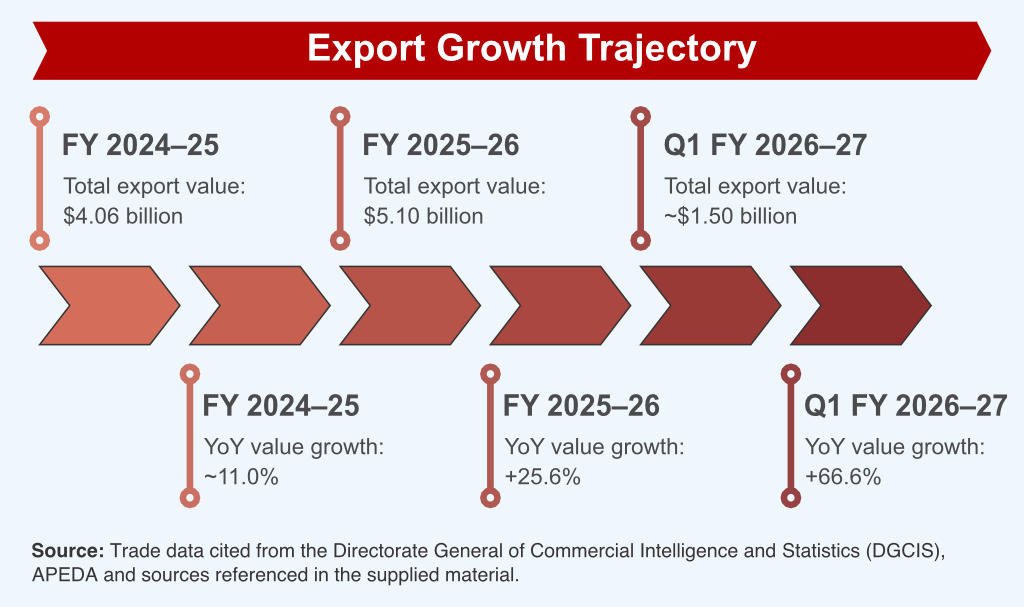
Indian buffalo meat exports rose 25.6% to about $5.1 billion in 2025-26, compared with $4.06 billion a year earlier. The momentum has continued into 2026-27. Exports during April–June 2026 were estimated at nearly $1.5 billion, up 66.6% from $896.8 million in the corresponding period of the previous year.
A Commerce Ministry official said that India is on track to cross $6 billion in Indian buffalo meat exports in 2026-27 if the current pace continues.
Importantly, the growth is not being driven by volume alone. The value realised per tonne has increased significantly. Average export realisation rose from about $3,236 per tonne in 2024-25 to $3,591 in 2025-26. During the April–June 2026 quarter, it reached $4,392 per tonne.
This represents a significant change in the position of Indian buffalo meat in global markets.
In 2014-15, a tonne of Indian buffalo meat was valued at around $3,240. International prices then weakened for several years, falling to between $2,700 and $3,000 per tonne. Today, buyers are paying considerably more. The Q1 2026 realisation of $4,392 per tonne is around 35% higher than the 2014-15 level.
The price gap with Brazilian cattle beef has also narrowed. Indian buffalo meat historically sold at a discount of around $2,000 per tonne compared with Brazilian cattle beef. That gap has now fallen to approximately $500-700 per tonne.
This suggests that Indian carabeef is no longer being viewed simply as a low-cost substitute. Its quality, safety standards and suitability for industrial processing are gaining greater recognition.
Fauzan Alavi, secretary of the All India Buffalo and Sheep Meat Exporters Association, told The Indian Express that exporters have worked in recent years to position Indian buffalo meat as a global brand rather than merely a lower-cost alternative to cattle beef.
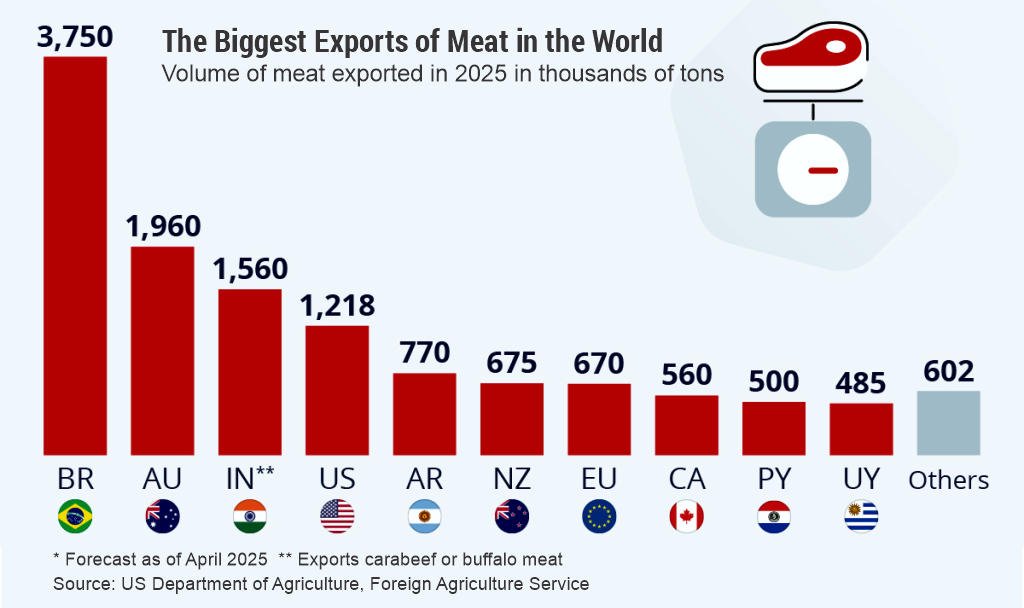
Biggest Meat Exporter Countries in the World in 2025.
From commodity to processed export
This change has been supported by tighter regulation, investment in processing infrastructure and a shift in the way Indian exporters approach international markets.
Meat exports are permitted only from certified facilities. India currently has 83 APEDA-approved integrated abattoir-cum-processing plants, each with a capacity to handle between 500 and 2,000 animals a day, in addition to standalone slaughterhouses and processing units.
The nature of the product being exported is also changing.
Indian exporters once relied heavily on low-margin, 20-30 kg bulk frozen blocks. Processing plants are increasingly producing consumer-ready formats, including retail packs of one kilogram or less, allowing Indian products to reach supermarket shelves directly.
APEDA also collects a levy of Rs 250 per tonne on Indian buffalo meat exports. The proceeds are used through a meat export development fund to support activities such as overseas trade delegations, buyer-seller meets and efforts to address non-tariff barriers.
The industry’s market base is becoming more diversified as well. A decade ago, nearly 45% of India’s buffalo meat exports went to Vietnam. Vietnam remains a major market, but dependence on a single destination has declined.
Egypt, Malaysia, the UAE, Saudi Arabia, Indonesia, Iraq, the Philippines and Jordan are among the markets buying significant quantities of Indian carabeef. Newer destinations, including Uzbekistan, Russia, Georgia, Oman and Senegal, are also gaining importance.
According to USDA data cited in the source, India is now the world’s third-largest bovine meat exporter, behind Brazil and Australia. The opening of markets in CIS countries could provide another avenue for growth.
Indian Meat Exports Growth Trajectory 2024-2026,
The dairy connection
The real significance of India’s buffalo meat trade lies not only in export earnings but also in its link with dairy farming.
India does not permit cattle beef exports, so the buffalo meat industry largely depends on animals that have reached the end of their productive lives, including females after several milking cycles, infertile animals and male calves. For small dairy farmers, maintaining unproductive animals adds costs for feed, fodder, water and labour. Selling them provides funds to replace them with productive stock.
A typical 400 kg buffalo yields about 190 kg of carcass. At the current Uttar Pradesh abattoir price of Rs 300-320 per kg, its value at the plant is around Rs 57,000-60,800. After transport and trader margins, the farmer may receive about Rs 50,000. A young, first-time milk-producing buffalo costs around Rs 1.25-1.5 lakh, so the sale of a spent animal can finance roughly one-third of a replacement.
This creates a practical cycle of herd renewal, allowing farmers to replace ageing, low-yielding animals with younger, more productive ones. The source estimates that exporting 1.4-1.5 million tonnes of meat annually involves the culling of around 14-15 million animals from India’s buffalo population of about 110 million.
Thus, the buffalo meat trade is not just an export business. It provides an important economic outlet for spent animals and helps support the capital needs of India’s dairy farmers.
A wider industrial ecosystem
The economic impact extends well beyond the abattoir.
India’s meat-processing industry supports a broad workforce that includes blue-collar workers, food-safety professionals, technicians, logistics specialists and compliance teams. While abattoirs have historically had strong links with the Qureshi community, modern integrated export plants employ workers from a much wider social and regional base, including migrant women in processing operations.
Large export houses have also helped professionalise the sector and connect Indian processing facilities with international markets. Companies such as Alana Sons in Mumbai, Fair Exports of Lulu Group and HMA Agro in Agra are among the industry names cited in the source.
The sector also generates value from materials that would otherwise have little economic worth.
Hides support India’s leather and tanning industries, including processing clusters in Kanpur, Unnao and Ranipet. Bones and offal can be processed into gelatin for pharmaceutical capsule shells and collagen products. Other inedible by-products are converted into poultry feed and organic fertilisers.
The result is a wider value chain in which meat processing supports leather, pharmaceuticals, animal feed, agriculture and logistics.
Most importantly for the dairy sector, the income generated from the sale of spent animals provides farmers with additional capital for herd replacement. In practical terms, the buffalo meat trade acts as an indirect source of capital for dairy farming.
Regulation and policy predictability
As the industry targets $6 billion and beyond, the next challenge may be less about demand and more about maintaining a predictable domestic operating environment.
The source cites the closure of five compliant meat-processing plants in Uttar Pradesh as an example of the difficulties that can arise when administrative action at the local level disrupts licensed operations.
The underlying policy distinction is important. The industry argues that there is a clear difference between the prohibition on cattle slaughter and the regulated processing of buffaloes in licensed facilities.
For exporters, consistency in enforcement is therefore critical. Plants that meet regulatory, sanitary and export requirements need a stable framework in which to operate. Uncertainty at the local level can disrupt supply chains, affect farmers who depend on animal sales and weaken confidence among international buyers.
As Indian buffalo meat exports grow, policy predictability will be as important as market access.
APEDA and the export framework
APEDA, under the Ministry of Commerce and Industry, plays a central role in regulating and promoting Indian meat exports. Its responsibilities cover facility approval, sanitary compliance, quality control, traceability and market development.
Quality controls cover microbiological parameters, residues and hygiene, with inspections of slaughterhouses, cold-storage facilities and transport systems.
For Halal exports, APEDA monitors compliance under the Indian Conformity Assessment Scheme, with certification bodies accredited through the National Accreditation Board for Certification Bodies.
The Meat.Net system provides digital traceability and monitoring. Export consignments undergo government-approved laboratory testing for parameters including microbiological and heavy-metal residues before the required health certification is issued by state veterinary authorities.
APEDA also works with the Department of Animal Husbandry and Dairying to address sanitary and phytosanitary barriers, develop bilateral veterinary protocols and facilitate inspections by authorities from importing countries. These systems matter because India’s future growth in the global meat market will depend not only on competitive pricing but also on food safety, traceability, cold-chain integrity and reliable compliance.
Waleem Meat Factory inaugurated Saudi Arabia’s largest and advanced meat processing facility in Al-Qassim, featuring a 60-ton daily capacity, advanced automation, halal compliance, and modern distribution channels.
December 2025 – Waleem Meat Factory, the largest and most advanced meat processing facility in Saudi Arabia, officially announced its grand opening today in Buraidah, Al-Qassim. This state-of-the-art facility, with a production capacity of 60 tons per day, marks a significant milestone in the Kingdom’s journey towards food security and economic diversification, in line with Saudi Vision 2030.
Prince Faisal bin Mishaal bin Saud bin Abdulaziz, Governor of Al-Qassim Province, inaugurated the Waleem Meat plant.
Prince Faisal bin Mishaal bin Saud bin Abdulaziz, Governor of Al-Qassim Province, inaugurated the Waleem Meat plant in Second Industrial City, in the presence of Minister of Investment Khalid Al-Falih. On the sidelines of the inauguration ceremony, several agreements were signed between Waleem Meat Factory and a number of companies to support the expansion of production and marketing.
The integrated project features advanced automated slaughterhouses and diverse production lines for chilled, processed, and frozen meat products. Operating under two distinct brands, Waleem Meat Factory is poised to cater to a wide range of customers, including hospitality companies, restaurants, and individual consumers.
Established in 2020, Waleem Meat Factory is a pioneering project that combines cutting-edge technology with a commitment to the highest quality and safety standards. All products are processed in accordance with Islamic law, ensuring that consumers receive products that are both safe and of superior quality. The factory’s strategic location in Al-Qassim, the Kingdom’s food basket, provides a unique advantage in sourcing high-quality livestock and distributing products efficiently across the country.
Behind every package is a commitment to excellence. The people at Waleem Meat are essential to its operation, meticulously managing inventory to ensure that customers receive only the finest, highest-quality products.
Waleem Meat Factory is dedicated to sustainable practices and works closely with local suppliers to source the best livestock. The factory’s integrated model, from farm to fork, ensures complete traceability and control over the entire production process. This commitment to quality is reflected in every product that bears the Waleem name.
To ensure wide accessibility, Waleem Meat Factory has partnered with modern distribution channels. Products are available for order and delivery in Riyadh and Al-Qassim through popular applications such as Keeta and Noon Minutes. This focus on customer convenience is a core part of the company’s strategy to become the leading meat provider in the Kingdom.
Data plays a crucial role in optimizing production in the meat processing industry, from slaughtering and packaging to storage and sales. By using sensors and intelligent algorithms, companies can monitor quality, improve efficiency.
March 2025: Data is a valuable asset for the meat-processing industry, too. By collecting and analysing data, companies can not only optimise production processes but also identify problems at an early stage, thus enabling them to react flexibly to market fluctuations and changing customer preferences. IFFA – Technology for Meat and Alternative Proteins – the world’s leading trade fair for the sector, showcases the technologies that can be used for this under the top theme of ‘Creating value from data.’
Data is collected at practically all stages along the process chain. In slaughtering and cutting, sensors and high-resolution camera systems monitor the process by analysing weight, meat quality and hygienic parameters. When it comes to processing and packaging, measuring instruments record parameters such as temperature and humidity to ensure product quality and recognise irregularities at an early stage. In storage and logistics, temperature and humidity sensors are used to ensure optimum storage conditions and prevent perishable products from spoiling. And in sales, intelligent algorithms analyse sales data to gain insights into future demand and customer preferences, as well as to manage restocking routes and supply chains accordingly.
Many forms of value creation
Klaus Schröter, Chairman of the VDMA Meat and Protein Processing, Technology Division, believes that the use of data adds value in many ways: “By collecting data in real time, purchasing, production and sales processes can be optimised. Sensory solutions help to make production and cleaning processes less harsh and more efficient. Moreover, key indicators of plant availability can be used, for example to avoid and predict unplanned downtime. Data can also be used to simulate process sequences. Therefore, they are also an important tool for preparing and making investments, to ensure a certain degree of investment security.”
Creating value from data is a top theme in the meat and alternative proteins production process. Source: Messe Frankfurt
Control systems and modules
Several manufacturers offer central command units designed to control and optimise the entire production process. For example, such control units interconnect filling and portioning lines and analyse production, storage and sales data. Machine data, such as output, throughput, quality, capacity utilisation and downtimes, are centrally recorded via standardised Ethernet connections. Current key production figures can be accessed in real time and provide a rapid overview of the value added of the individual lines.
In addition to complete solutions, machine control modules are used in individual stages of production. For example, the performance of high-precision tools can be improved through data collection, e.g., machine and production data on slicer blade sharpness and wear. Such data also permits conclusions to be drawn as to whether a particular type of blade is suitable for the product. Another example is intelligent portion cutters, which utilise modern image processing systems to ensure precise cutting and even portioning in terms of shape, size and weight.
Butchers also profit
Data is used not only in industrial production but also in smaller artisan businesses to automate processes and thus, as a side effect, alleviate staff shortages. For example, butchers can even automatically mix complicated multi-stage recipes in the cutter. Each batch is prepared on the basis of stored recipe data and processed in accordance with predefined parameters. Tracking ingredient consumption facilitates long-term material procurement. All the data collected and information about the various functions are transferred automatically to downstream merchandise management and accounting systems. This standardised process not only ensures a consistent product quality but also simplifies administrative and documentation procedures.
AI as a data booster
In common with many industrial sectors, artificial intelligence (AI) is also growing in importance for the meat-processing sector. Only AI can fully exploit the potential of data by identifying patterns of action and causal relationships when analysing the data. AI can also be trained for specific applications, such as cutting up sides of pork to optimise the cutting process. “The use of AI is a major trend in our sector,” says Klaus Schröter. AI is also set to become more widespread in the trade, even if there are still obstacles to overcome, as Herbert Dohrmann, President of the German Butchers’ Association, acknowledges: “Integrating AI into artisan businesses is still a challenge at present because nine out of ten of them have different structures and business models.”
When it comes to quality assurance, particularly on the packaging side, AI-aided image processing systems are used to detect irregularities, such as colour deviations, foreign objects or faulty packaging. Inline inspection systems with self-learning cameras automatically reject defective packaging. These systems can also visualise more complex causes of defects. For example, they can detect melted ham fat that has a similar colour to the packaging tray.
Predictive maintenance is another field in which AI is used. AI-aided systems monitor the condition of machines and predict downtimes. Any maintenance work required is carried out during the ongoing process, which prevents downtime and breakdowns. Last but not least, AI-aided systems are virtually indispensable for preventing and detecting cyberattacks on modern, fully networked smart factories. They analyse network traffic in real time and identify suspicious activities that could indicate an attack.
Data usage on the packaging side
In the packaging sector, material and process data is used to develop alternative packaging materials, especially by combining biopolymers, fibre-based materials or mono-materials with suitable barriers. For example, scientists at the Fraunhofer Institute for Process Engineering and Packaging, IVV, use data, such as the concentration of carbon dioxide in the packaging, to simulate the shelf life of food. Using shelf-life simulations, scientists can predict which technical properties packaging must have for a product to retain its flavour. The packaging with the corresponding materials is produced in the IVV’s own technical centre. Recyclable polymers are used to create multi-layer sheeting that offers the same protection against oxygen penetration as conventional materials. AI is also used to suggest the best possible packaging designs for a particular product while minimising the amount of material required, taking into account factors such as shelf life, the eco-balance of the packaging, the use of recyclates and consumer acceptance.
IFFA – Technology for Meat and Alternative Proteins – presents state-of-the-art technology in Frankfurt am Main from 3 to 8 May 2025. Further details at www.iffa.com.
To stay competitive, the meat and protein processing industry must adopt more efficient practices. Automation and technologies like AI and robotics can improve productivity, reduce operating costs, and help address labor shortages.
The meat and protein processing industry faces significant challenges, including price pressures, a diverse range of products, and a shortage of skilled labor. To stay competitive, the industry must adopt more efficient practices. Automation and technologies like AI and robotics can improve productivity, reduce operating costs, and help address labor shortages.
The meat and protein processing industry is facing major challenges, pressure on prices, a wide range of products, and the ongoing shortage of skilled labour call for efficient working practices if the industry is to remain competitive globally. Increasing automation and innovative technologies such as artificial intelligence and robotics represent potential solutions: they can boost productivity and cut operating costs.
Under the motto ‘Maximum Performance’, at the IFFA trade fair, innovations in automation for meat and protein processing will be showcased, with a focus on maximizing performance. Automation benefits various stages of production, from raw material preparation to packaging, ensuring better quality control, traceability, and compliance with legal standards. However, many production lines are not integrated, limiting data exchange. Web-based systems like MES and ERP can link these stages, creating a connected, smart factory and enhancing overall efficiency, even in existing systems. Thus, the advantages of a fully networked smart factory are not just the preservation of new production facilities.
The foundation of many automatic processes is real-time data collection and analysis. Modern sensors supply precise information regarding temperature, humidity, weight, and pressure. For example, temperature and humidity sensors in cold stores are used to prevent the temperature rising and thus avoid the risk of contamination. Weight sensors check the weight of each meat product and ensure that the packaging is in line with specifications. It not only reduces the amount of material used but also minimises waste and the return rate. Another example is sensors for monitoring the gas composition in packaging, which ensures the desired conditions, are maintained at all times.
AI speeds up and improves meat and protein processing
In common with many other industries, the introduction of artificial intelligence (AI) is also transforming the meat and protein industry and taking it to a new level by enabling machines not only to collect data from the various stages of production but also to analyse and deduce potential improvements from it. In the event of disruptions in the production process, AI can identify cause-and-effect relationships and thus rectify problems without stopping the production process or preventing them from occurring in the future. This not only boosts efficiency but also means higher levels of certainty for both consumers and companies.
Industrial image recognition and processing is also based on AI models that have been trained for the application in question. For example, it is used to sort meat products in accordance with specific criteria, such as size, shape, and structure. This reduces the employee’s workload at the same time as increasing precision. If used to identify quality criteria, such as grain or fat content, it can significantly increase the selling price of individual items. AI-aided image processing systems are also employed in quality assurance. Using historical image data, they are trained to inspect the entire production process in real-time and detect any irregularities such as colour anomalies, foreign objects, or defective packaging.
Predictive maintenance is another area of application. AI-aided systems monitor machine status and predict downtimes so that maintenance work is only carried out when required. According to a McKinsey study, predictive maintenance in the food industry can reduce maintenance costs by as much as 30 percent and increase plant utilisation by 20 percent.
Thanks to AI, industrial robots can operate with greater autonomy and agility. Source: Messe Frankfurt
Machine learning lifts robotics to a new level of development
Today, industrial robots are an established feature in the food industry, especially in larger companies. Operating around the clock, they can bring about considerable gains in efficiency and productivity. However, the dividing line between conventional machines and those with integrated robot technology is not clear cut. It can be said, however, that industrial robots are mainly used to perform repetitive tasks, such as those typically found in the meat processing industry, for example cutting, portioning, packing, wrapping, sorting, picking and placing.
AI is also taking robotics to a new level of development. Generative AI can use machine learning to adapt independently to new circumstances and situations, thus enabling industrial robots to act more autonomously and agilely. A good example of this is autonomous mobile robots (AMR). Equipped with cameras and sensors, they can independently assess and analyse their surroundings. For instance, they look for new paths when obstacles block the planned route and act independently in abnormal situations. Accordingly, they are perfect helpers in unstructured production settings, as well as in warehouses or logistics centres where packaging and palletising are involved.
Despite the multitude of items in such distribution centres, AI-aided industrial robots can select and retrieve the right articles, reject faulty or deformed ones and also detect packaging formats and weights. Such robots achieve pick rates of 750 to 1,400 items per hour and can, for example, pack up to 200 meat products per minute – a significant increase in productivity compared to manual processes. Robots are also superior to their human colleagues in terms of precision, e.g., they can cut meat faster and more precisely at a very specific cutting angle, as well as portion by weight and ideal shape, which not only speeds up the production rate but also minimises raw-material waste.
Multifunctional robotic work cells hold out the promise of an enormous increase in flexibility and are set to replace traditional line production in the meat industry, too. For example, using AI, the robotic work cell can independently process pork sides in a series of operations, which are carried out all at once instead of a series of small operations. Thus, different products can be processed in parallel, enabling an optimum product mix without the restrictions of line production. At the same time, the robotic work cells form autonomous networks with the AMRs, which react independently when faced with changing requirements.
AI, robotics and sensor technology boost performance and accelerate the pace of change
The meat and protein processing industry is on the cusp of radical change, driven by the use of new technologies such as AI, robotics and sensor technology. These technologies are not only an opportunity to automate processes and increase efficiency but also to enhance product quality and sustainability. Companies that integrate these technologies at an early stage are well prepared to ensure their competitiveness in the global market and meet the increasing challenges of tomorrow’s world.
IFFA – Technology for Meat and Alternative Proteins – presents the latest technological developments in Frankfurt am Main from 3 to 8 May 2025. Further information at: www.iffa.com
With four trade fairs on three continents, Messe Frankfurt is flanking the process of dynamic growth in the food industry, which meets at the company’s events in Argentina, Thailand, the USA and Germany. Further information at: www.food-technologies.messefrankfurt.com.
‘Processed Food Industry’: The Voice of Food Processing Industry
Processed Food Industry (PFI) is a premier English-language monthly B2B publication (ISSN 09721649) headquartered in New Delhi, catering to the vibrant and ever-evolving food processing industry. While we don’t claim to be the largest or most widely read, our proud legacy of over 27 years—publishing continuously since 1997—has earned us the trust of industry professionals as a reliable source of insights and information.
If your goal is to tap into the booming Indian and South Asian markets to promote your equipment, technology, software, or consumables, PFI is your strategic partner. With our hybrid approach across print, web, and social media, we help you establish strong brand recognition rooted in market relevance. Backed by a team of top-tier technical writers, we’re ready to work closely with you and your customers to craft compelling content that drives results.
India and South Asia’s food industry is expanding rapidly, driven by efficiency and cutting-edge innovations. Don’t miss the opportunity to elevate your brand and engage with this dynamic market. Get our 2025 media kit to fine-tune your marketing strategy, increase your visibility, and convert potential customers into valuable conversations. Additionally, ask for a sample copy of our monthly magazine and experience the quality and relevance we deliver.
Let us help you define your role in the future of the food processing industry.
Have a news or topic to share with industry? Write to us editorial@pfionline.com
After a decade of continuous growth, German manufacturers of machinery for meat and alternative protein processing faced a stagnant 2024. However, the industry remains optimistic about IFFA 2025
German manufacturers of machinery for processing of meat and alternative proteins could not record renewed growth in 2024 after a ten-year upward trend. However, the industry remains optimistic about IFFA 2025, the world’s leading trade fair, set to take place in Frankfurt from May 3-8, 2025. Stakeholders expect the event to provide much-needed momentum in a dynamic global market.
Modest Growth in Food Processing Machinery Despite Sectoral Downturn
Preliminary data from the Federal Statistical Office shows that German production of food processing and packaging machinery grew by 3% in 2024, reaching nearly €17 billion. This defies the broader mechanical engineering sector’s projected 8% production decline, making food machinery the fifth-largest segment in mechanical engineering. According to the VDMA, packaging machines account for approximately half of this production value.
Klaus Schröter, Chairman of the VDMA Process Technology Division for Meat and Protein Processing
Within the food machinery sector, process technology for meat and protein industries stands out as the largest sub-sector, having seen consistent growth over the last decade. “Between 2014 and 2023, the production of meat processing machines in Germany increased by almost 40%, reaching €1.4 billion,” said Klaus Schröter, Chairman of the IFFA Advisory Board. However, 2024 has not maintained this upward trend, with production expected to decline by around 5%, attributed to rising energy prices, higher interest rates, and general investment uncertainty.
European Exports Witness Decline Amid High Comparisons
European exports of meat processing machinery fell by 6.5% in the first eight months of 2024 compared to 2023’s high benchmark. While late-year deliveries are expected to temper this decline, the record levels of 2023 will likely remain unmatched. German exports alone increased by 6% in 2023 to €730 million, with investments in automation and modernization being particularly strong in the U.S. and several European countries. These investments addressed labor shortages and stringent production safety standards.
German and global meat processing machinery production.
Global Export Trends: European Leadership and China’s Rise
In 2023, global foreign trade in meat processing machinery reached a record €2.7 billion, with the EU-27 accounting for nearly 80% of exports. Germany led with a 27% share, followed by the Netherlands (21%). China, with its growing presence, ranked third with a 9% share, outpacing Italy (7%) and the U.S. (5%).
Key sales markets in 2023 included the U.S., Russia, Germany, and several European and Asian nations. Strong demand also emerged from regions like Southeast Asia, Central and South America, and the Middle East. Schröter noted the pivotal role of industrialized nations while highlighting Asia and other emerging markets as critical growth drivers.
International Trade: meat processing machinery 2023.
Market Prospects: Dynamics and Growth Opportunities
Despite short-term setbacks, Schröter expressed confidence in the supplier industry’s future. Global sales of meat and alternative proteins continue to rise, albeit with regional variations. While meat consumption in Western Europe and North America is stable or slightly declining, alternative protein markets in these regions are expanding rapidly, albeit from a smaller base. According to Euromonitor International, global meat product sales are projected to grow by 8% and plant-based alternatives by 25% through 2028.
Several factors shape the market landscape: demographic shifts, evolving consumer habits, shorter product life cycles, and increasing demand for food safety, quality, and sustainability. These trends, combined with competitive pressures, ensure ongoing technological investment.
Role of Digitalization and AI in Sustainability
Sustainability remains a key focus for customers. Efficient use of resources, waste reduction, water conservation, and recyclable packaging are critical considerations. Digitalization plays a central role in achieving these goals, as process data evaluation can enhance efficiency, minimize production downtime, and enable remote services.
Artificial intelligence (AI) is increasingly integral to sustainable production. AI-driven analysis of real-time data detects anomalies, reduces unplanned downtimes, and optimizes processes like contamination detection and adaptive cleaning. Additionally, AI and digital twin simulations support complex investment decisions, boosting investment security.
IFFA 2025: A Platform for Innovation
As the industry looks to the future, IFFA 2025 promises to serve as a pivotal platform for innovation and collaboration. “We are excited to see the international supplier industry showcase a range of innovations and to engage in discussions about trends and requirements with global visitors,” Schröter stated.
The fair will spotlight technological advancements and address the evolving demands of the global meat and protein processing industry. Against the backdrop of a dynamic market environment, IFFA 2025 is poised to reinforce optimism and drive progress for German manufacturers and the wider sector.
About VDMA Food Processing and Packaging Machinery Association
The Food Processing and Packaging Machinery Association is one of the largest of a total of 38 business sectors in the VDMA and represents a very heterogeneous industry: its approximately 320 member companies are manufacturers of bakery machines, meat and protein processing technology, beverage production machines, dairy technology, confectionery machines, machines and systems for the processing of plant-based raw materials, packaging machines and machines and systems for the manufacturing of pharmaceutical and cosmetic products. The predominantly medium-sized companies account for over 80 percent of the sector’s turnover.
‘Processed Food Industry’: The Voice of Food Processing Industry
Processed Food Industry (PFI) is a premier English-language monthly B2B publication (ISSN 09721649) headquartered in New Delhi, catering to the vibrant and ever-evolving food processing industry. While we don’t claim to be the largest or most widely read, our proud legacy of over 27 years—publishing continuously since 1997—has earned us the trust of industry professionals as a reliable source of insights and information.
If your goal is to tap into the booming Indian and South Asian markets to promote your equipment, technology, software, or consumables, PFI is your strategic partner. With our hybrid approach across print, web, and social media, we help you establish strong brand recognition rooted in market relevance. Backed by a team of top-tier technical writers, we’re ready to work closely with you and your customers to craft compelling content that drives results.
India and South Asia’s food industry is expanding rapidly, driven by efficiency and cutting-edge innovations. Don’t miss the opportunity to elevate your brand and engage with this dynamic market. Get our 2025 media kit to fine-tune your marketing strategy, increase your visibility, and convert potential customers into valuable conversations. Additionally, ask for a sample copy of our monthly magazine and experience the quality and relevance we deliver.
Let us help you define your role in the future of the food processing industry.
Have a news or topic to share with industry? Write to us editorial@pfionline.com
Move enables both, Cargill and Ahold Delhaize, to better focus on meeting customer protein needs and driving growth.
Cargill, in response to the increasing demand for convenient and affordable protein choices in the U.S., has invested in two processing facilities to enhance the production and distribution of supermarket case-ready beef and pork in the Northeast.
Cargill has purchased case-ready meat plants in North Kingstown, Rhode Island, and Camp Hill, Pennsylvania from Infinity Meat Solutions, subsidiaries of Ahold Delhaize USA.
The acquisition of meat plants in Rhode Island and Pennsylvania from Infinity Meat Solutions strengthens Cargill’s long-term partnership with Ahold Delhaize USA, allowing the company to produce a variety of packaged meat products for retailers.
This strategic move aims to not only continue servicing Ahold Delhaize USA brands but also extend case-ready production to additional retailers, streamlining operations for grocery stores and offering high-quality products to meet consumer preferences.
“With this investment, we look forward to our continued partnership with Ahold Delhaize USA companies while bringing additional high-quality case-ready products to new retail customers,” said Hans Kabat, president of Cargill’s North American Protein business. “By bringing more of our case-ready and value-added protein products to retailers, their employees can spend less time on back-room prep work and more time helping their customers at the meat counter.”
Terms of the sale are not disclosed.
About Cargill
Cargill is committed to providing food, ingredients, agricultural solutions, and industrial products to nourish the world in a safe, responsible, and sustainable way. Sitting at the heart of the supply chain, we partner with farmers, and customers to source, make and deliver products that are vital for living.
With a workforce of 160,000 team members, Cargill innovates with purpose, supplying life’s essentials to facilitate business growth, community prosperity, and consumer well-being. Drawing on 159 years of experience as a family company, Cargill looks towards the future while remaining steadfast in its values. The company prioritizes people, strives for excellence, and is committed to doing the right thing, both today and for generations to come. More information can be found at Cargill.com
On January 9, 2023, the South Korean parliament passed a bill to ban dog meat, including breeding, butchery, distribution, and sale of dogs for their meat – a move that is likely to end the controversial practice.
Animal welfare campaigners have hailed the decision as a “historic victory” after years of pressure from both within the country and abroad. While the law does not criminalise consumption, the measures are set to bring an end to eating animals, a practice that is said to date back centuries.
Consuming dog meat in South Korea is a centuries-old practice. A report by the BBC said, historically, cows were highly valued and so prized that people had to obtain a government permit to slaughter them up until the late 19th Century. Therefore, dog meat became the best source of protein and was enjoyed by people across the class spectrum.
According to Reuters, the consumption of dog meat within the country has become rare. It is “largely limited to some older people and specific restaurants,” as more Koreans consider dogs as pets and as criticism of how the dogs are slaughtered has grown.
About 93% of South Korean adults said they didn’t want to consume dog meat in the future, and 82% said they supported a ban, according to a survey conducted last year by Aware, an animal welfare organisation in Seoul, The New York Times reported.
The ban, which passed with 208 votes in support and two abstentions, will come into force in 2027 after a three-year grace period.
Under the Bill, slaughtering dogs for consumption can attract fines of up to 30 million won (approximately Rs 19 lakh) or imprisonment of up to three years. Selling and breeding dogs for consumption can also attract a 2-year prison sentence or a fine of 20 million won (Rs 12.58 lakh).
Its provisions will be implemented in 2027, following a three-year grace period for dog farm owners, meat restaurants, and other workers in the trade to close their businesses or find alternative sources of employment.
According to activists, many dogs are electrocuted or hanged when slaughtered for meat, though breeders and traders argue there has been progress in making the slaughtering more humane. Additionally, pet ownership in South Korea has increased in recent years, with government data showing that one in four Korean households owned a pet dog in 2022, up from 16% in 2010.
Despite the decline in consumption, about 1,150 farms continue to breed dogs for meat, while 1,600 restaurants sell dog meat dishes in South Korea, according to the Ministry of Agriculture. The Bill also found strong support from South Korean President Yoon Suk Yeol and First Lady Kim Keon. Both the President and his wife, known to be animal lovers and owners themselves, campaigned for the ban and said that outlawing the custom was one of the presidential priorities.
98% of American households purchase meat, therefore sustainability in meat industry is at the center of healthy diets, healthy communities, and a healthy planet.
Washington — The meat industry’s pioneering data gathering and reporting on five major emphasis areas for continuous improvement rose by approximately 60% in the second year, now covering more than half of the meat processing facilities operated by Meat Institute members.
The report incorporates commitments and actions covering an estimated 90% of beef sold in the United States, with data submitted by 93% of the beef Institute’s top member companies (more than 2000 employees). The criteria and goals of the Meat Institute are closely aligned with on-farm efforts in beef, pig, poultry, and feed to drive supply chain-wide, thereby monitoring sustainability in meat industry.
Julie Anna Potts, President and CEO, NAMI
“98% of American households purchase meat, putting our industry undoubtedly at the center of sustaining healthy diets, healthy communities, and a healthy planet for generations to come”, Meat Institute President and CEO Julie Anna Potts commented.
“The Meat Institute, United States’ oldest and largest trade association representing packers and processors of meat, has established measurable targets to verify progress along the way, including through this game-changing data collection and reporting which will incentivize industry-wide implementation of best practices and allow us to identify gaps where further resources are needed to achieve ambitious goals,” Julie further added.
Sustainability in meat industry
Among the Meat Institute’s five focus areas for continuous improvement, one key target is the Meat Institute’s aim for 100% of members to have set a science-based emissions reduction target by 2030. To date, 14 Meat Institute general members representing the majority of meat sold in the United States, plus 10 supplier/allied members, have set or publicly committed to set targets verified by the Science-Based Targets Initiative.
Of establishments reporting data, 66% are covered by a company commitment to set scope 1 and 2 emissions reduction goals; 62% are covered by a company commitment to set scope 3 emissions reduction goals. In September, the Meat Institute and the UN Global Compact Network USA jointly released a practical tool to help meat companies conduct emissions surveys, the first critical step in the path to setting science-based targets.
Aiding another key target to help families facing hunger access enough high-quality protein, Meat Institute members donate tens of millions of dollars and meals to food banks and charities across the country every year. The majority of companies reporting data contributed to food banks and charities in 2022. Examples of food security actions in this reporting period include:
Bob Evans Farms announced a four-year partnership with Mid-Ohio Food Bank to donate more than $1 million in cash and food contributions.
Hormel Foods and Tyson Foods partnered to support communities affected by the Maui wildfires, with Hormel donating more than 264,000 cans of SPAM and Tyson donating more than 100,000 lbs of protein.
Smithfield Foods donated 28,000 lbs of protein to Florida communities devastated by Hurricane Idalia.
Swaggertys has donated nearly 35,000 lbs of frozen sausage to local food banks and charity organizations so far in 2023.
About North American Meat Institute
The Meat Institute is the United States’ oldest and largest trade association representing packers and processors of beef, pork, lamb, veal, turkey, and processed meat products. NAMI members include over 350 meat packing and processing companies, the majority of which have fewer than 100 employees, and account for over 95 percent of the United States’ output of meat and 70 percent of turkey production. To learn more, visit MeatInstitute.org.
About the Protein PACT
The Protein PACT unites partners across animal protein to accelerate the entire meat industry’s progress toward global sustainable development goals for healthy people, healthy animals, healthy communities, and a healthy environment. Protein PACT partners are establishing transparent baselines and benchmarks, setting ambitious targets for continuous improvement, collecting data to verify and transparently report on progress, and launching comprehensive communications about animal protein’s unique place in healthy diets and sustainable food systems. To learn more, visit www.TheProteinPACT.org.
Meat consumers are increasingly demanding that animals be reared, handled, transported and slaughtered using humane practices. Therefore, the production of good-quality and hygienic meat for consumers is the primary concern of the abattoir. Suman Talukder explains here various factors to be considered in a modern abattoir for a hygienic meat production chain.
Table of Contents
An abattoir is a premise and building which is used for slaughtering in order to get animal products for human consumption. Swine, cattle, buffalo, goat, sheep, poultry and any kind of animals in accordance with the notification of the National Committee on Agricultural Commodity and Food Standards are slaughtered and produce animal meat and products thereof in a modern abattoir. Production of good-quality and hygienic meat for consumers is the primary concern of the abattoir.
The food animals are raised on the farm, the food chain starts from that very point and ends on the plate of the consumers. Disease-free animals from the hygienically maintained farm can only provide and produce good quality meat and products, these products having appreciable acceptability and shelf life, indirectly influence the economic viability of the meat production chain. The article explains Modern Abattoir Practices and issues related to Animal Welfare, Meat Quality, & Safety.
Proper Layout of an Modern Abattoir for Better Production
A modern abattoir should have all the facilities to cope with meat production. All modern abattoir practices and issues related to Animal Welfare, Meat Quality & Safety, should be followed to maintain a hygienic meat production chain. A modern abattoir should have all the facilities to cope with meat production, and its appropriate layout and management are the most vital concerns.
Proper functioning of an abattoir can only channelise the production of quality meat, and this depends only on the appropriate layout of the premises and building, which must be designed so that the production process moves in one direction without any cross-flow of products, which may adversely affect the hygiene of the product. Live slaughter animals are received at the “dirty” end of the abattoir, and meat is dispatched from the clean side of the abattoir.
The various “dirty” areas regarded as critical points in the production chain include the livestock entry point and the lairage, where animals are held prior to slaughter—such as shaded areas for pigs, sheep, and poultry, where applicable. These areas also encompass the ante-mortem inspection zone and the isolation lairage designated for animals or birds that are ill or suspected of being sick.
Emergency slaughter facilities are provided for injured animals or birds, and specific areas are designated for handling condemned products. Inedible by-products such as hides, pelts, horns, feathers, and similar materials are managed in dedicated rooms or zones. Solid waste disposal areas handle materials like faeces and intestinal matter, while effluent is treated in pre-purification plants and stored in holding tanks.
Additional facilities process condemned products into by-products such as blood meal, carcass meal, and tallow. Finally, there are hygiene and welfare areas specifically for workers assigned to the dirty zones, including cloakrooms, toilets, showers, washbasins, and dining rooms with restricted access.
Considerations during the setup of a modern abattoir
Various factors to be considered when building an abattoir for maintenance of a hygienic meat production chain, the choice of a suitable site is the most important. The factors listed below must, therefore, be taken into account when selecting a premise:
Drainage system – Drainage is affected by geological structure, nature of the soil (sandy or loam), the water table and the natural slope of the surface.
Natural slope – Rainwater and runoff from the dirty area must not flow into the abattoir, nor must they flow from the dirty to the clean side of the premises. Tanks for the collection of effluent and pre-purification plants must be situated at the lowest point of the site, on the dirty side. Lairage must not be situated on higher ground than the buildings, nor must they be closer than six meters to them.
Water supply – An adequate supply of potable water must be available. Consideration should also be given to the storage (storage tanks, chlorination tanks, and pressure tanks) which must be on the clean side, preferably at the highest point, and treatment of water should this be necessary.
Water pollution – can occur due to slaughtering and other processes and therefore the abattoir should be a reasonable distance away from any river – no process water may flow into any river.
Prevailing winds – Must blow from the “clean” side (dispatch) to the “dirty” side.
No source of contamination should occur in the environment in which we place an abattoir: Examples are a paint factory, foundry, sewage farm, river or residential area.
Abattoirs are classified as light industries. Because water pollution does occur, the abattoir should be a reasonable distance away from any river.
The site must be large enough to allow the abattoir and allied activities to be correctly situated and oriented. Provide also for future extensions.
Essential Services in a modern abattoir
Effluent disposal – An effective system for the disposal or removal of effluent must be provided where necessary.
Electricity – There must be a reliable source of power for heating water as well as to provide for the partial or total mechanization of the abattoir.
Transport – There must be sufficient facilities for the reception of animals as well as for the removal of products.
Labour – The proximity of a labour pool or reasonable access to public transport is also important.
Access roads and staff separation – If this is required for the relevant grade, the “clean” and “dirty” areas of the premises must be physically separated. Vehicles which offload live animals, loads intestines heads and feet as well as vehicles removing paunch contents, condemned material and refuse are restricted to the “dirty” area and may not enter areas where meat vehicles and staff who handle meat are to be found.
Factors affecting hygienic meat production
Progressive procedures to prevent the contamination of meat by organisms and other contaminants during the slaughter process must be taken. This aim can be achieved by correct internal abattoir design and following Modern Abattoir Practices. The layout must eliminate cross-flow patterns of people and products. In designing the abattoir, it is important to refer once again to the principle of a linear flow pattern.
During meat processing, product flow must be from dirtier to cleaner areas, zones or rooms. These products must not come into contact with the floor or walls, or even with equipment like platforms, and must remain within the building until dispatched.
Drainage must be from clean to dirty.
The airflow must be from clean to dirty.
Product flow lines must not intersect or cross.
Backtracking must be avoided.
Unclean products derived from slaughtering and dressing must be removed from the slaughter area as quickly as possible. Heads and skins must not be carried or passed under or around dressed carcasses on the route to the exit point.
Required facilities for the interior of building and rooms:
In the abattoir where meat and animal products are handled and in and in other premises- all rooms must be of such sizes as not to compromise hygiene; floors and stairways must be- smooth, impervious, resistant to wear and corrosion and not slippery and free of cracks and open joints to reduce the sources of contamination.
Floor drainage design and construction – must ensure that floors are sloped at a gradient of not less than 1:60 towards drainage points or channels, must ensure that channels drain from clean to dirty areas, must be such that drainage channels are smooth, impervious, washable and provided with grates or covers and must give all drain inlets with solid traps as well as mechanisms to prevent access of vermin and obnoxious odors into the abattoir.
Interior wall surfaces, partitions, and pillars must be- smooth, impervious, washable and light colored, rounded at the floor to wall, as well as wall to wall, junctions with a minimum radius of 50 mm and rounded on top in case of walls and partitions which are not ceiling height.
Interior roof structures or ceilings, must be smooth, impervious, light colored and washable, doors and doorframes must be smooth, impervious, vermin proof, light colored and corrosion resistant
Personnel entrances must have self-closing doors and be provided with hand wash-basins, boot wash, and apron wash facilities and apron hooks; hatches, where provided, must have an inclined bottom edge sloping towards the dirtier side and self-closing flaps must be provided when applicable.
Working areas must- be well ventilated, and have artificial or natural lighting at an intensity of at least 540 Lux where meat is inspected; and 220 Lux in work areas.
Requirements for equipment: these must be corrosion resistant and non-toxic and may not taint or stain meat; must have surfaces which are smooth, impervious and free of holes, cracks and sharp corners, and must be sterilizible; and may not contaminate meat with lubricants.
Requirements for toilets and change rooms: toilets and urinals must be situated in a separate room with separate entrances from the change rooms. All toilets must be provided with toilet paper holders and toilet paper, hand wash-basins, soap dispensers with germicidal liquid soap and hand drying facilities.
Change rooms and toilets may not have direct access into an area or room where meat is handled. Workers must be provided with clothing lockers in which to store private clothes separately from protective clothing, ensuring that private clothes and clean protective work clothes do not make contact. Workers must be provided with separate fly proof facilities in which to keep food.
Sterilizers: Sterilizers must be readily accessible and must– be placed on dressing platforms and within three meters of workstations.
Water supply: water must be under pressure, and must conform to at least the standard for drinking water. Water points must be provided with cold water; the water must be at a temperature of not less than 40°C and equipped with hose pipes for sanitising all areas of the abattoir.
Hygienic meat production from a healthy animal
Meat consumers are increasingly demanding that animals should be reared, handled, transported and slaughtered using humane practices, as it is a major consideration in meat production and is based upon the belief that animals can suffer. The requirement of humane treatment of animals in slaughterhouses as follows: (a) Man has the moral obligation to respect all animals and also to safeguard animals, which are destined for slaughter, from unnecessary suffering. (b) Unloading, lairaging, moving, stunning and bleeding of animals are essential for animal welfare; training and sensitivity of personnel are also essential. (c) Ethological principles should be applied to the handling of animals and the design of slaughterhouse facilities. (d) Efforts should be made to improve existing slaughter methods and/or develop new systems that ensure animal welfare, meat quality and work safety while reducing costs and human labour, if possible. (e) Animal welfare will probably be maximised if economic, ethical and qualitative considerations coincide. There is growing public concern regarding the welfare of animals during transportation and handling, which necessitates a reduction in such stresses.
Animal handling is a growing issue of concern in many countries around the world. Developed countries, in particular, show a keen interest in the way animals are handled throughout production and processing. In such countries, animal welfare is increasingly becoming a primary matter in the process of keeping animals either as pets or for food and at homes or on farms. Not only are they protecting the rights of these animals, but poor animal handling has adverse effects on the animal, carcass and meat quality. Poor quality animal and meat will have poor processing properties, functional quality, and eating quality, and are more likely to be unaccepted by consumers. Most developing countries have paid less attention to this issue. By this review, it is expected that developing countries also take an interest in proper pre-slaughter handling of animals due to their beneficial effect on meat and carcass qualities.
Animal welfare can be ensured only if the personnel engaged in slaughterhouses have been correctly trained. There is a close relationship between the considerate treatment of slaughter animals and adequate instruction of personnel. Moreover, personnel are likely to work better and more humanely if working conditions are good. Workers should be experienced in the unloading, moving, lairaging, restraining, stunning and bleeding of animals.
Most of those in the production, marketing, transportation and packing sectors of a developed country, meat-animal industry practice good husbandry, have a caring attitude about animals and their welfare, and handle animals appropriately, as inappropriate/improper handling can cause problems, and proper handling can improve products and profitability.
Getting animals from farm to abattoir forms the first link in the chain of meat production and one which is both important and, to some degree, contentious; important because it can influence carcass and lean meat quality, and contentious because the processes of handling and transport provide many opportunities for the animal’s welfare to be compromised.” If animal handling is exemplary, little or nothing will be gained by attempting to improve it; but, if, in any sector, there is room for improvement in animal handling, attempts to rectify situations that compromise products/profitability will be well worth the effort.
Effect of pre-slaughter animal handling on carcass and meat quality
The effect of ante mortem stress generated different responses in different animals. In comparison to steers, bulls are physically more active in the loose housing at the slaughterhouse during the night, and more of the glycogen reserves are depleted, the pH values of meat are higher, and the occurrence of dark, firm and dry meat is more frequent. Pre-slaughter handling involves all the activities and processes animals undergo prior to slaughter.
These activities and processes take place on the farm, during transportation, marketing and at the slaughter plant. Although it takes several days and effort to raise an animal to a desirable age, weight, and quality, their condition may change appreciably within a few days prior to slaughter, which will adversely reduce their weight, affect the meat quality and subsequently reduce profit. This will happen if animals are subjected to poor handling conditions before slaughtering.
This is so, because animals are exposed to all kinds of stresses ranging from physical such as high ambient temperature, vibration, and changes in acceleration, confinement, noise, and crowding; to psychological such as the breakdown of social groupings and mixing with unfamiliar animals, unfamiliar or noxious smells and novel environment during pre-slaughter handling.
Animals could also suffer from pre-slaughter stresses arising from bruises, injuries, starvation, tiredness, water and food deprivation, and loading and unloading onto vehicles. It has been seen that with higher levels of stress poorer meat quality is eminent, quite apart from being inhumane. Besides stress, genotype, transportation, lairage time, season of the year, environmental conditions and many other factors will affect meat quality.
Animal welfare can be linked to carcass and meat quality. The welfare of an animal can be said to have been compromised if the animal cannot cope with its environment or copes with difficulty. Among the things to cope with includes environmental conditions, other animals, pathogens, and human handling. Their response to these conditions will have an effect on their carcass and meat quality. For instance, when animals show pathogenic signs resulting from a dirty environment, food or water intake they will have poor growth, reduced weight or even die.
It implies that animals will take a longer time to produce meat, produce less meat, experience total meat loss, or the carcass can be condemned during meat inspection. It must also be noted that the fact that an animal is healthy, fit and reproduces normally (physical well-being) does not necessarily mean the welfare is good. This is because it is difficult to know whether an animal is content with its environment or not (mental well-being) and experience. Thus, there is variation among people with respect to how poor the welfare of an animal has to be before they consider it to be intolerable. However, all the modern abattoir practices should be followed.
Pale Soft Exudative (PSE) and Dark Firm Dry (DFD)
Pale Soft Exudative and Dark Firm Dry meats are very important meat quality problems that continue to bedevil the meat industry. PSE is associated with pigs and chickens, and DFD affects all species, although nowadays both conditions have been suggested to occur in all species. Acute or short-term stress, such as the use of electric goads, fighting among animals just before sticking, and overcrowding in the lairage, causes PSE. Exposing animals to chronic or long-term stress, such as long hours of transportation, food and water deprivation, and overcrowding of animals in the lairage, can cause DFD carcasses. Pale soft exudative meat looks pale, lean, has a soft texture, low water holding capacity and poor functional attributes. Dark firm dry meat looks dark, has variations in tenderness, poor functional attributes and is prone to spoilage.
Personal hygiene
Personal hygiene and health of food handlers are of the utmost importance when an effort is made to deliver a safe product of high quality to the consumer. Workers should be medically examined before employment in order to determine if they are physically fit to perform the work and also if they do not suffer from transmissible diseases, which can be transmitted through the food they handle to the consumer. They must also undergo daily fitness checks for different signs of illness. Workers must be issued with clean clothes in good condition daily in order to protect the food from contamination and also to protect the workers against potential dangers. Each worker can contribute to good personal hygiene standards.
Meat can transfer pathogenic organisms to the people (or animals) that eat or handle it. These organisms can originate from the slaughtered bird – in other words a sick bird, or one that is a carrier of the organism – or from other sources. These sources include food handlers (people who work with food) at the abattoir, wholesalers or retailers – even the housewife in her kitchen. This discussion focuses on people employed at a modern abattoir. The principles can, however, also be applied elsewhere. Where we refer to meat handlers, the same can be said of any food handler.
Practice of cleaning and disinfection
During the slaughtering process meat, which is practically sterile, is exposed to contamination with bacteria from the outside surface and intestines of the animal, from equipment such as knives, saws, hooks and so on, and from the air and the hands of the workers. When equipment is not regularly cleaned therefore, there is a building up of bacteria which shortens the shelf-life of the meat and could also cause food poisoning in consumers. Proper sanitation will reduce the number of bacteria in all work areas and on the equipment, and therefore has a direct effect on the quality of the meat provided to the consumer.
The 7 basic steps of cleaning and disinfection of abattoir, for that purpose different detergent like acid, alkaline, chlorinated, foam-based enzymatic deterrents are used;
Removal of loose bits of rubbish such as meat, fat, skin and bone from equipment walls and floors to facilitate cleaning.
Loosening pieces of rubbish, blood faecal and other contaminants by means of dry sweeping, and removing them by picking them up. Bits of meat and fat and skin, in particular, must not be washed into the drainage system.
Pre-washing all equipment, floors, and walls with clean hot water (40 – 50°C) to soften and loosen the remaining particles.
Washing and scrubbing with detergents and hot water under pressure.
Rinsing with clean hot water (45°C) under pressure in order to remove the loosened particles and detergents properly.
Disinfecting with a suitable disinfectant at the proper concentration. vii. Microbiological survey of the equipment and walls to establish the effectiveness of the cleaning and disinfecting.
Cleaning of equipment
Protein coagulates when it comes into contact with steriliser water at 82°C, and then it isn’t easy to get rid of it. For this reason, it is important that the equipment is rinsed before it is immersed in the hot water. Sometimes it might be difficult to get rid of fat that has accumulated on the knife, and the only way to get it off will be to rinse it under hot water at 45° C, whereafter the procedure for washing and sterilising must be followed.
All hand equipment must be rinsed, washed and sterilised after each carcass in the case of red meat and as often as possible in the case of poultry or if it gets contaminated. All modern abattoir practices should be followed to clean all the equipment. Once the equipment is rinsed, it needs to be sterilised in the water at 82°C. It is important to remember that sterilising can only be effective if the equipment is immersed for at least 2 min. at a time. Remember that clean equipment only stays clean as long as it does not come into contact with dirty surfaces, so it needs to be put down on clean surfaces or rather, start using the equipment immediately before it accidentally gets re-contaminated.
Not only should knives and steels, aprons, hard hats, steel gloves, and boots be scrubbed with a good disinfectant and a good brush but scabbards (where equipment are stored in) must be cleaned very thoroughly in order to prevent re-contamination of equipment. When cleaning knives it is important to think of safety and be careful not to cut oneself. Handles of knives tend to trap fat and pieces of meat at the part where the handle and the blade meets.
Therefore, it is important to scrub at this point until all visible material has been removed. Personnel must be motivated to keep their personal lockers in a clean and hygienic condition in order to keep out cockroaches and flies. Hand equipment must not be stored in the same locker where private clothes are kept. Bacteriological samples (usually taken by means of the agar sausage or other direct contact methods) must regularly be taken of personal equipment in order to ascertain the hygiene status of this equipment.
Quality and safety control systems
HACCP as a food safety management system
Modern abattoir practices are the key to a food safety management system in an abattoir. The Hazard Analysis and Critical Control Point (HACCP) is a system to manage food safety. It is a proactive system because food safety hazards are controlled throughout processing instead of only after production by end-product testing. It gained prominence because the incidence of foodborne human illness is increasing, thus causing worldwide concern over food safety issues.
In recent times, foodborne disease has been on the increase all over the world, and even first-world countries experience a worrying rise in outbreaks of foodborne disease. In fact, foodborne disease has been described by the World Health Organisation as one of the most widespread public health problems of the contemporary world. The international community is now pinning its hopes on pathogen management systems to help solve the problem. The HACCP system is science-based and systematically identifies specific hazards as well as measures for their control in order to ensure the safety of foods. It includes control of microbiological, chemical and physical hazards.
HACCP implementation in a modern abattoir
Although the HACCP concept is simple and at first glance obvious, its implementation is difficult. It is based on science and scientific fact, and not simply on perceptions. HACCP implementation in a modern abattoir includes control of microbiological, chemical and physical hazards. Successful implementation requires input from a variety of fields such as processing, engineering, maintenance, microbiology, hygiene, food technology, etc. It is unlikely that one person can be an expert in all these fields, especially in the smaller plant where multitasking is practiced, outside assistance with the HACCP plan may be required.
Principle 1: Conduct a hazard analysis Principle 2: Determine the critical control points (CCP’s) Principle 3: Establish critical limit(s) Principle 4: Establish a system to monitor control of a CCP Principle 5: Establish a corrective action to be taken when monitoring indicates that a particular CCP is not under control. Principle 6: Establish procedures for verification that the HACCP system is working effectively. Principle 7: Establish documentation concerning all procedures and records appropriate to these principles and their application.
Pest management program Causes of pest infestation in and around the facility are removed cost-effectively and control is exercised if an infestation occurs by this process. These pests mainly include rodents, flying and crawling insects and birds. Pest management programme includes measures to;
Eliminate breeding places and natural habitats
Restrict access to the processing areas
Deny pests access to food, water, and harborage
Monitor all areas of the plant regularly
Identify the pest accurately
Assess the best options to control the pest including procedures to eliminate those pests which eventually find their way into restricted locations.
Lasting success can be accomplished only when the reasons for the infestation are controlled.
Disposal of abattoir effluent
Wastewater generated from abattoir typically contains contaminated waste material like; blood, bits of meat, fat, paunch contents, urine and dung. Each of these waste materials contributes to a high organic load as well as a considerable amount of suspended material in the waste water. Therefore the management and treatment of waste water a crucial point as it can be a potential source of environmental pollution as it can contaminate natural streams and water sources. Removal of as much of the solid waste in the effluent is essential in making further processing of effluent more manageable. Excessive amounts of solids in affluent may lead to exorbitant levies by municipalities or the overloading of systems on the abattoir premises.
Handling of condemned material
Carcasses, portions thereof or any edible products in an abattoir, which cannot be passed for human or animal consumption regarded as condemned. These materials must be disposed of by appropriate procedures so that chances of spaying of diseases from this material can be checked.
Conclusion
Production of quality meat is only possible from disease-free, healthy animals, which have received proper rest and humane treatment before slaughter. Meat produced in a modern abattoir by adopting Good Manufacturing Practices (GMP) and Good Hygienic Practices (GHP) has a longer shelf life, good quality, and is acceptable to consumers.
The appropriate and scientific layout of the abattoir is strictly necessary for safe meat production. It is also to be taken into consideration that the workers of slaughterhouses also play a vital role as a potent source of contamination to the produce. Therefore, the adoption of measures like HACCP management systems can effectively improve the meat quality and hygiene in abattoirs, which can result in increased food safety levels.
FAQs on Modern Abattoir Practices
What is an abattoir and its main purpose?
An abattoir is a facility where animals are slaughtered for meat production. It ensures the production of hygienic, disease-free meat for human consumption, focusing on animal welfare, meat quality, and safety.
Why is proper layout important in an abattoir?
A proper layout ensures a one-directional flow of the production process, minimizing cross-contamination and maintaining hygiene. This helps in producing high-quality meat while preventing contamination risks.
What role does animal welfare play in abattoir operations?
Animal welfare is crucial for ensuring humane treatment during slaughter, which impacts both meat quality and consumer acceptance. Proper handling reduces stress and improves meat quality, leading to better profitability.
How does pre-slaughter handling affect meat quality?
Poor pre-slaughter handling, including stress from transportation, confinement, or poor environmental conditions, can negatively impact meat quality, leading to issues like dark, firm, dry meat (DFD) or pale, soft, exudative meat (PSE).
What are the key hygiene practices in an abattoir?
Hygiene in an abattoir includes proper cleaning and disinfection of equipment, personal hygiene of workers, and regular sterilization of tools. This prevents contamination and ensures the meat remains safe for consumption.
How is wastewater from abattoirs managed?
Wastewater from abattoirs contains organic waste, and its proper treatment is essential to prevent environmental contamination. Solid waste is removed to facilitate effective wastewater processing and comply with environmental regulations.
What happens to condemned materials in an abattoir?
Condemned carcasses or products that are not fit for human or animal consumption are disposed of according to specific procedures to prevent disease spread and maintain hygiene in the facility.
In the recent past, the export of meat products has increased at an annual rate of about 30%. With surplus income and changing lifestyle convenience meat products have potential in Indian market, write M. Muthukuamr, B.M. Naveena and A.R. Sen
Indian meat industry has emerged as the most dynamic and rapidly expanding segment of our livestock economy. Its production is registered 5.3 million tonnes with a recent export of 0.61 million tonnes fetching about Rs.2900 cores foreign exchange. In the recent past, the export of meat products has increased at an annual rate of about 30%. With surplus income and changing lifestyle convenience meat products have potential in our domestic market.
Table of Contents
Convenience Meat Products
The convenience meat products are ready-to-cook or ready-to-serve meat products that require minimal preparation in the kitchen, are easy to handle, and quick to serve. There are a variety of such products, e.g., cooked/uncooked, comminuted/uncomminuted, flaked, reformed, as well as fermented, cured, smoked, enrobed, and canned. Most of these products undergo a combination of processes such as grinding, chopping, seasoning, color alteration, or heat treatment before reaching their final form. The processing of food is an ever-evolving technique. The advancement of science and technology has led to the improvement of older processes and the introduction of new methods, as seen in recent trends in food processing.
Development of minced/emulsion-type products has been considered a potential solution for the utilization of meat from spent birds and animals (breeder stock). Avoiding unnecessary wastage of valuable commodities can be achieved by processing them into value-added convenience products. Mincing and mixing with non-meat ingredients not only eliminate toughness problems but also improve palatability and variety. Additionally, the economic pressure to minimize cost and maximize meat utilization has incentivized the creation of customer-oriented convenience meat products. With improvements in post-harvest distribution and processing facilities, there is greater potential for both domestic and export trade in this perishable commodity.
Domestic Marketing for Meat Products
Currently, less than 2% of meat production in India is commercially processed, compared to 30% in developed nations. Consumers in the middle and lower-income groups predominantly prefer fresh meat rather than chilled or frozen products. Additionally, in India, meat is often reserved for main meals rather than being consumed as a snack food. The processed meat sector remains in its infancy due to factors such as a lack of popularity, inadequate processing and cold chain facilities, poor quality control, and an unorganized marketing and distribution network for ready-made meat products.
However, rapid socio-economic changes, evolving food habits, an increasing working women force, and the rise of nuclear families are creating new opportunities for processed and ready-to-eat meat products. Exposure to such products through media and the expansion of multinational fast-food chains such as McDonald’s, KFC, and Domino’s, alongside local companies like Venkateshwara Hatcheries and Al-Kabeer Exports, has created a favorable atmosphere for value-added products.
The rise of supermarkets displaying these products further enhances their accessibility. Companies like Venky’s have already opened retail outlets across metro cities and busy areas, improving domestic marketing efforts.
Upcoming supermarket stores that display the products in a retail outlet chain can make these convenience meat products popular. Recently Venky’s have opened their retail outlets in and around metro cities including exhibition areas and other busy parts of cities around the country.
Export Potential for Meat Products
India’s contribution to global meat product exports is minimal, amounting to less than 2%. The processed meat sector needs modernization to compete with countries like China and Malaysia, which have upgraded their facilities and export to developed nations. Efforts like disease surveillance, export-oriented processing units, and the establishment of disease-free zones can significantly boost India’s export potential. Measures such as liberalization and promotional efforts are already enhancing exports, but more comprehensive strategies need to be employed, as highlighted by global food export trends.
Major Constraints
Despite some progress, convenience meat production faces significant challenges. These include the dominance of fresh and frozen meat production over convenience products, conventional dietary habits, regional taste preferences, inadequate advertising, and a lack of quality assurance programs. Additionally, consumers remain unaware of product availability, cooking methods, and the benefits of processed products.
Another major bottleneck is the high price of processed meat products and the lack of suitable indigenous processing equipment for small- and medium-scale units. To overcome these hurdles, it is essential to enhance the cold chain infrastructure and launch effective marketing campaigns to increase awareness about the availability and benefits of processed meat.
Future Prospects and Thrusts
India’s vast livestock reservoir presents significant potential for increasing the production of processed meat products. However, the current slaughter rates—40.74% for goats and 32.83% for sheep—are much lower compared to developed countries, where these rates exceed 70%. Similarly, bovine slaughter rates in India are less than 10%, compared to an average of 35% in other countries. Addressing these disparities and increasing the availability of meat animals for slaughter could significantly boost the production of value-added products.
The processed meat industry primarily caters to urban populations, constituting about 30% of the total population, leaving a vast rural market untapped. Ensuring that value-added products are available in hygienic conditions in rural areas is critical. Additionally, targeted promotions and awareness campaigns can reshape consumer perceptions about processed foods, as seen in efforts to promote frozen meat products.
Convenient products that align with Indian palates should be developed, leveraging the country’s rich heritage of spices and cuisine to create unique variations. Reducing production costs through economic formulations and the use of vegetable binders and extenders can also make these products more affordable for the masses.
Furthermore, India must adopt GMP (Good Manufacturing Practices) and HACCP (Hazard Analysis Critical Control Point) systems across the entire production-to-processing chain to meet international sanitary and phyto-sanitary requirements. This will help address concerns related to pathogenic microflora, toxins, and residues, thereby improving export competitiveness.
Additionally, extensive R&D is needed to innovate in meat processing and establish patents for indigenous products like tandoori chicken and kofta, which hold immense export potential. India also needs to address the lack of specific legislation on geographical indications for such products, ensuring their unique identity and market value are preserved.
Conclusion
The growth of the meat processing industry in India will require significant investments in technology, processing equipment, and cold chain infrastructure. By addressing social and religious taboos and creating a favorable political environment, the sector can achieve hygienic meat production, robust processing, and enhanced export opportunities.
The future of convenience meat products in India looks promising as they gradually gain acceptance among consumers. The meat processing profession must actively engage with the public, media, and policymakers to promote awareness about the advantages of processed and convenience meat products. With a concerted effort to modernize the industry and adopt global best practices, India can transform its meat processing sector into a globally competitive industry.
‘Processed Food Industry’: The Voice of Food Processing Industry
Processed Food Industry (PFI) is a premier English-language monthly B2B publication (ISSN 09721649) headquartered in New Delhi, catering to the vibrant and ever-evolving food processing industry. While we don’t claim to be the largest or most widely read, our proud legacy of over 27 years—publishing continuously since 1997—has earned us the trust of industry professionals as a reliable source of insights and information.
If your goal is to tap into the booming Indian and South Asian markets to promote your equipment, technology, software, or consumables, PFI is your strategic partner. With our hybrid approach across print, web, and social media, we help you establish strong brand recognition rooted in market relevance. Backed by a team of top-tier technical writers, we’re ready to work closely with you and your customers to craft compelling content that drives results.
India and South Asia’s food industry is expanding rapidly, driven by efficiency and cutting-edge innovations. Don’t miss the opportunity to elevate your brand and engage with this dynamic market. Get our 2025 media kit to fine-tune your marketing strategy, increase your visibility, and convert potential customers into valuable conversations. Additionally, ask for a sample copy of our monthly magazine and experience the quality and relevance we deliver.
Let us help you define your role in the future of the food processing industry.
Have a news or topic to share with industry? Write to us editorial@pfionline.com